If you're mixing existing piano recordings in a quiet room without a live microphone, wired open-back studio headphones are a sensible starting point. If you're recording at the same time or want to reduce sound leakage, consider a closed-back model. RTINGS describes open-back models as better suited to mixing and closed-back models as better suited to recording. Also check the fit, connection and volume from your audio source: no single specification can guarantee a reliable mix on its own.
Which option is right for you?
Piano mixer in a quiet room
If you're mixing existing recordings without a live microphone, you can use open-back headphones to assess tonal balance and placement, provided sound leakage isn't an issue. RTINGS discusses open-back headphones as suitable for mixing; Sennheiser recommends the HD 490 PRO for production and mixing.
Pianist recording at the same time
If you're listening while a microphone is active, consider closed-back headphones to reduce sound leakage. RTINGS describes closed-back headphones as better suited to recording; the actual level of isolation also depends on the fit.
Creator with long listening sessions
If you spend a long time mixing or switch between other listening tasks, consider the fit, maintenance and connection to your headphone output. Sennheiser and beyerdynamic describe replaceable parts for specific models; always check the exact version.
What should you look for when buying?
First decide whether you'll only mix afterwards or also monitor during a recording. Then compare tonal accuracy, comfort and connectivity with your own workflow.
Open-back headphones
Best for: mixing piano afterwards in a quiet room, when sound leakage won't bother anyone.
Keep in mind: open-back designs provide less isolation and leak more sound; check the fit and connection.
Closed-back headphones
Best for: monitoring and recording at the same time, or when you want to limit sound reaching a microphone or someone nearby.
Keep in mind: a closed-back design isn't automatically the best reference for stereo imaging when mixing; the fit affects the seal.
Semi-open headphones
Best for: a specific model whose features you've assessed for your intended use.
Keep in mind: the term ‘semi-open’ doesn't guarantee a particular level of isolation or a better piano mix.
| Consideration |
What should you check? |
Who should pay particular attention? |
| Tonal balance and placement |
Compare wired open-back models and try them for fit; don't treat claims about accuracy as independent measurements. |
When I mix existing piano tracks in a quiet room, I want to assess balance and placement without sound leakage being an issue. Around 36% of consumers put tonal accuracy first. |
| Sound leakage |
If you're using a live microphone, look at a closed-back model and check while recording whether the microphone picks up headphone sound. |
When I record piano at the same time, I want to stop monitoring sound from getting into the recording. For around 28% of consumers, reducing leakage is their main buying concern. |
| Comfort and maintenance |
If possible, try the headband and ear pads; check which parts are replaceable for the exact model. |
For long sessions, I want headphones that remain comfortable and let me replace parts with suitable alternatives. Around 18% of consumers prioritise comfort and maintenance. |
| Connection and volume |
Check the plug and adapter against your audio source; make sure you can get enough volume at a safe listening level. |
When I use a laptop, digital piano or audio interface, I want to know whether the connection and available volume suit my source. Around 18% of consumers start by checking compatibility. |
Buying pitfalls
-
Choosing an open-back model, then recording with a live microphone
Open-back models leak more sound. A microphone may pick it up, affecting the recording.
Before buying, decide whether you'll only mix afterwards or also monitor while recording. If it's the latter, compare closed-back models.
If you later start recording with a live microphone, you may need a second, closed-back pair of headphones.
-
Assuming impedance proves a better piano mix
Impedance alone doesn't determine how loud headphones will sound from your audio source. A suitable adapter doesn't guarantee that the output provides enough power either.
Check the full model version and connection, then test with familiar piano recordings at a safe volume.
-
Forgetting about maintenance and replaceable parts
Maintenance options vary by model. A cable or ear pad that's replaceable on one model may not fit a different version.
Check that parts are compatible with the exact model, and review the applicable warranty and returns policies before buying.
Suitable replacement ear pads or cables may need to be purchased separately later.
Brands to consider
Sennheiser
Sennheiser positions the open-back HD 490 PRO for production and mixing; the open-back HD 560S is a separate model for analytical listening.
- According to Sennheiser, the HD 490 PRO comes with two sets of ear pads with different sound signatures; the ear pads are replaceable and the cable is detachable.
- The sound claims come from the manufacturer. An open-back model is less suitable if a live microphone picks up headphone sound.
beyerdynamic
The open-back DT 900 PRO X and closed-back DT 770 PRO 80 ohm are different models for different uses.
- beyerdynamic lists a detachable mini-XLR cable for the DT 900 PRO X. The ear pads on the DT 770 PRO are replaceable.
- The designs and versions aren't interchangeable. The DT 770 PRO is also available with other impedance ratings; check the full version.
Audio-Technica
The closed-back ATH-M40x and open-back ATH-R70x are separate models; Audio-Technica recommends the ATH-M40x for tasks including tracking and mixing.
- According to Audio-Technica, the ATH-M40x has detachable cables and a nominal impedance of 35 ohms.
- The ATH-R70x is an open-back model with a nominal impedance of 470 ohms. Don't assume that features of one model apply to another.
Sony
Sony describes the closed-back, foldable MDR-7506 as suitable for recording and studio use.
- Sony lists a 3.5 mm/6.3 mm adapter and a protective case.
- Sony's description of neutral, detailed monitoring isn't an independent measurement. Check the fit for long mixing sessions.
AKG
AKG positions the open-back K702 for reference listening, studio mixing tasks and mastering.
- AKG lists a nominal impedance of 62 ohms, with a replaceable cable and ear pads.
- Sound can leak from the open-back design, which may be disruptive with a live microphone or in a shared space.
Headphones and headsets at Joybuy
This Joybuy selection includes headphones and headsets. Check each model to see whether its connection and sound reproduction suit piano mixing.
 No image available
Sennheiser MOMENTUM 4 Wireless, black
For piano mixing, this is only an option if the connection and sound reproduction suit your monitoring work; check before buying.
Bluetooth, a 3.5 mm audio cable and passive use without a battery are listed.
View at Joybuy
 No image available
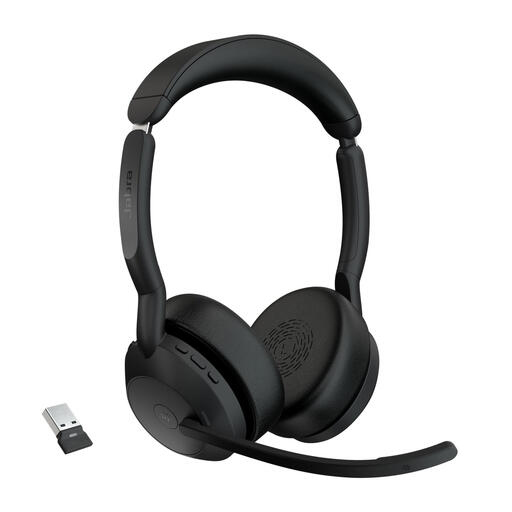
Jabra Evolve2 55 Link380a MS Stereo
This is a stereo headset for work; check whether a communications headset suits your goal of mixing piano recordings.
Bluetooth 5.2, active noise cancellation and connection to two devices are listed.
View at Joybuy
 No image available
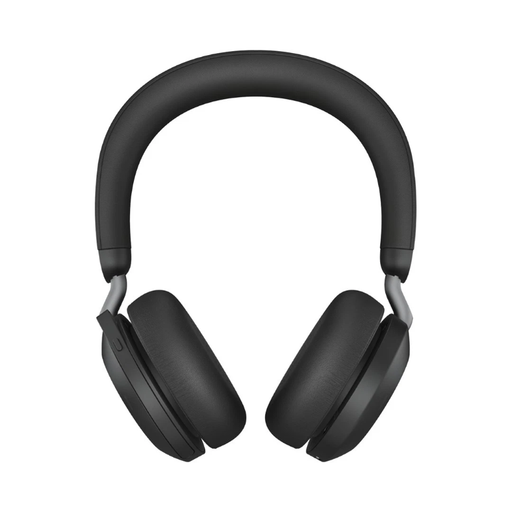
Jabra Evolve2 75 headset
For piano mixing, check whether this headset suits your listening needs and whether it can connect appropriately to your audio source.
Bluetooth, connection to two devices, active noise cancellation and eight microphones are listed.
View at Joybuy
 No image available
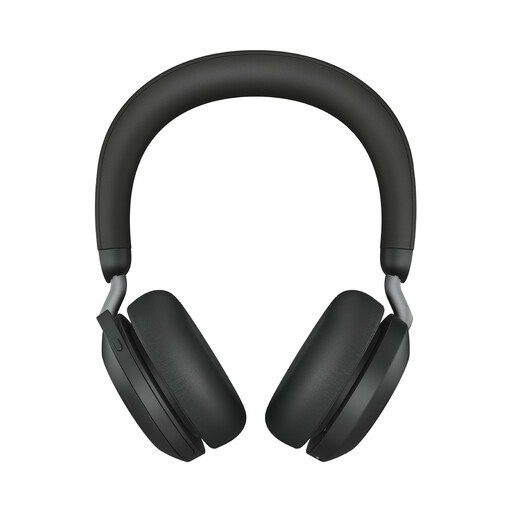
Jabra Evolve2 75 USB-A MS Teams, black
Before using this for piano mixing, check whether the USB-A version and sound reproduction suit your equipment and workflow.
Bluetooth, active noise cancellation and eight microphones are listed.
View at Joybuy
 No image available
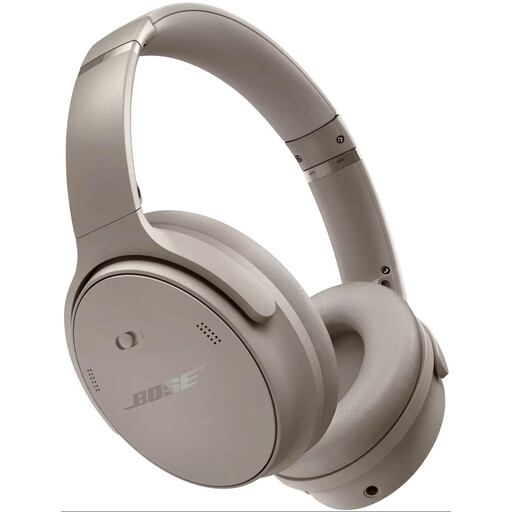
Bose QuietComfort Headphones, Sandstone
For piano mixing, check whether this model suits your needs for listening to music and is compatible with your audio source.
Bluetooth and active noise cancellation are listed.
View at Joybuy
Frequently asked questions
Which plug do I need for my piano or audio interface?
Check the output on your device and the plug supplied with the exact version. According to beyerdynamic, the DT 900 PRO X comes with a 3.5 mm plug and a 6.35 mm adapter; this doesn't tell you whether the volume will be sufficient from every output.
How do I maintain my headphones when mixing regularly?
Follow the instructions for your model and only replace parts that fit that version. Sennheiser says the HD 490 PRO ear pads are washable and replaceable; beyerdynamic describes replacement headbands, ear pads and cables for PRO X models.
How can I reduce the risk of hearing damage during long mixing sessions?
Keep the volume low and take regular breaks. The World Health Organization identifies both sound level and duration of exposure as factors in hearing risk; its example of 80 dB for up to 40 hours a week is safety guidance, not a measurement of your headphone volume.
What are my rights when buying online in the Netherlands?
According to ACM ConsuWijzer, online consumer purchases generally come with a statutory cooling-off period of up to 14 days after delivery, with some exceptions. You also have a statutory guarantee if a product doesn't do what you could reasonably expect under normal use; the retailer is your point of contact. Check the applicable returns policy before buying.


