What should you look for when choosing?
Start with the lens and the framing you want. Then consider whether focus bracketing, lighting control and the complete setup suit your way of working and the space you have available.
| What to consider |
What should you check? |
Who is it most relevant to? |
| Small details |
Check the mount, the maximum magnification of the specific lens and whether a macro lens is included in the bundle. Also consider whether the focusing method suits subjects with several depth layers. |
If I want to capture engravings or serial numbers clearly, I focus on magnification and focusing. Around 36% of consumers put small details first. |
| Reflections and colour |
Check whether you can adjust the light position and white balance, and whether you have enough room to position your light sources. |
Anyone photographing shiny metal and glass will want to control highlights and colour differences. Around 29% of consumers make this their top priority. |
| Repeatable setup |
Check the tripod mount and framing controls, and make sure a fixed camera and subject position will work in your workspace. |
If I’m cataloguing several cameras, I want to be able to repeat the framing and viewpoint easily. Around 21% of consumers put repeatability first. |
| Total cost of the setup |
Compare what’s included in the specific bundle with the camera body, lens and studio equipment you need. |
If you want to keep the full setup within your budget, look beyond the camera body alone. Around 14% of consumers put the total cost of the setup first. |
Cameras at Joybuy
The Joybuy products below are cameras described in their product titles as suitable for photography, vlogging or video, among other things. For vintage cameras and small inscriptions, assess the magnification and focusing options of the specific camera and lens combination.
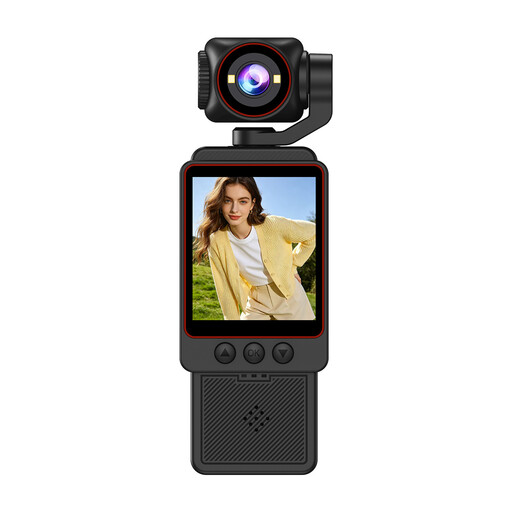 Image unavailable
Compact video camera 1080P HD (HD photos, SD card included)
The product title mentions photography and video. Before photographing small inscriptions, check the lens magnification and focusing options.
Product title: 1080P HD video, HD photos and an SD card included.
View at Joybuy
 Image unavailable
KOMERY G7 5K Digital Camera, 80MP, 18X Zoom, White
The product title mentions photography. For close-ups of vintage camera details, check that the lens offers the magnification and focusing distance you need.
Product title: 5K, 80MP and 18X zoom.
View at Joybuy
 Image unavailable
KOMERY W6, 12X Optical Zoom, 4K, 64MP
The product title mentions photography and content creation. For small details, check whether the lens is suitable for the close-up distance you need.
Product title: 12X optical zoom, 4K, 64MP and Wi-Fi.
View at Joybuy
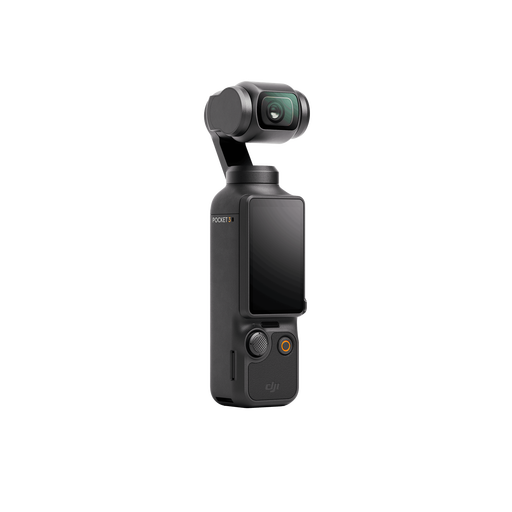 Image unavailable
DJI Osmo Pocket 3 Creator Combo
The product title describes this model as a camera for vlogging and photography. For vintage close-ups, check that your chosen lens setup can capture the detail you want.
Product title: 1-inch CMOS, 4K/120fps, 3-axis stabilisation and microphone included.
View at Joybuy
 Image unavailable
DJI Osmo Pocket 3
The product title mentions photography, vlogging and YouTube. For close-ups of engravings, assess the lens and focusing options separately.
Product title: 1-inch CMOS, 4K/120fps and a rotating 2-inch touchscreen.
View at Joybuy
Frequently asked questions
Do you need a macro lens straight away for overview shots of a vintage camera?
Not necessarily. Start by considering the size of the smallest detail you want to show, then check the magnification of the specific lens. A standard lens and a macro lens with 1:1 magnification are designed for different close-up needs.
Does focus bracketing automatically create one photo that’s sharp all over?
Not with every system described. Nikon describes a series of shots for the Z50II, and Sony does the same for the α6700, for combining later. Check how your chosen model works before assuming the combined image will be ready in the camera.
How do you get started with a repeatable lighting and camera setup?
Set up your camera and subject securely, keep the framing consistent and test the light position on glass and metal. Check the white balance if you’re combining light sources with different colour temperatures.
What guarantee are you entitled to as a consumer in the Netherlands?
When you buy as a consumer, you’re entitled to a product that meets the terms of the agreement. If something is wrong with it, the seller must provide a solution. According to the Dutch government, there’s no fixed statutory two-year guarantee period in the Netherlands; what you can expect depends, among other things, on the product and the information provided at the time of purchase.
Can you always return a camera bought online within 14 days?
No, this doesn’t apply in every situation. According to the Dutch government, consumers usually have a 14-day cooling-off period when buying remotely; an online purchase from a private individual is one example that doesn’t count as a distance sale. Check who the seller is and which terms apply to your purchase.


