
Creator sharing work online
You want a clear photo of the entire sheet without buying new equipment straight away. The Consumentenbond highlights the subject, ease of use and image quality as factors to consider when choosing a camera.


For a quick digital image, try the camera you already have first. A stable setup, controlled lighting and careful exposure and white balance matter more than simply buying a new camera body. If you plan to take photos regularly or edit your files, compare a mirrorless camera with a suitable lens. For a flat sheet that fits safely on an A4 glass bed, a flatbed scanner could be an alternative.
You want a clear photo of the entire sheet without buying new equipment straight away. The Consumentenbond highlights the subject, ease of use and image quality as factors to consider when choosing a camera.
You want to assess and edit the paper white, ink tones and fine lines. National Gallery of Art Custom Prints describes using a calibrated camera and even lighting for its prints. So compare the complete setup and image file with what you need.
You want to digitise flat sheets regularly and could consider a scanner if the work fits safely on the glass bed. Epson Netherlands describes the Perfection V39II as an A4 flatbed scanner.
Suitable if: you mainly want to share a clear digital image and already own a camera or smartphone.
Consider: check for yourself whether the lighting, colour and detail in a test shot meet your needs. This approach cannot guarantee a particular image quality.
Suitable if: you take photos regularly, want to adjust settings or plan to edit your files.
Consider: a camera body on its own is not a complete setup. Check which lens is included with the version you’re considering and whether it suits your working distance.
Suitable if: the sheet is flat, can sit safely on the glass bed and fits within the A4 scan area.
Consider: an A4 scanner is not suitable for every size or for work you don’t want to place against the glass. Check any image enhancements against the original.
| What to consider | What to look for when buying | Who is this important for? |
|---|---|---|
| Ink and paper white | Check the white balance and exposure, and compare a test shot with the original. See whether the exact model supports the file format you need. | If I want to assess light ink and the paper white accurately, I look at colour and exposure; around 36% of consumers prioritise these factors. |
| Fine lines and sheet edges | Compare the sheet size, framing, working distance and included lens. Check the edges in a test image too. | I want to keep the whole sheet and fine lines within the frame; around 29% of consumers prioritise detail and straight edges. |
| Complete camera setup | Check whether the version is a body or a kit, which lens is included and whether the setup fits in your workspace. | If I want a usable combination without having to source extra parts, the version is crucial; around 21% of consumers look for a straightforward, complete setup. |
| Scanning as an alternative | Measure the sheet and decide whether it’s suitable to place against the glass bed. If automatic image enhancement is enabled, compare the scan with the original. | I want to digitise flat sheets that fit without setting up a camera; around 14% of consumers consider scanning as their first alternative. |
A camera body without a suitable lens is not the same purchase as a kit that includes one.
Compare the exact versions and check which lens is in the box before you buy.
With a body-only version, you’ll still need to choose and buy a suitable lens.
Sensor resolution alone doesn’t tell you how alignment, exposure, colour and the complete lens setup will work for your sheet.
Assess a test shot of the whole sheet, including the light ink and outer edges.
The Epson Perfection V39II is an A4 flatbed scanner, but its size and glass bed won’t suit every piece of calligraphy.
Measure the sheet and check in advance whether it can sit safely on the glass bed.
The EOS R50 is an APS-C mirrorless camera to consider if you’re looking for a camera with interchangeable lenses.
The ILCE-6400 is an APS-C camera body to consider if you want to choose your own Sony E-mount lens and work with RAW files.
The Z50II is a mirrorless camera to consider if viewfinder operation or the tilting touchscreen matters to you.
The Perfection V39II is a flatbed alternative for flat calligraphy sheets that fit within A4.
These Joybuy products are camera options for taking digital photos. For each model, check how you can frame the entire sheet and whether a suitable lens is included with a mirrorless camera.
 No image available
This kit is worth comparing if you’re looking for a mirrorless camera with an included lens to photograph the whole sheet.
The product details list a 16–50mm lens and a 24.2 MP APS-C sensor.
 No image available
This kit is worth comparing if you’re looking for a camera with an included zoom lens for digital photography.
The product details list a 16–50mm lens and a 24.2 MP APS-C sensor.
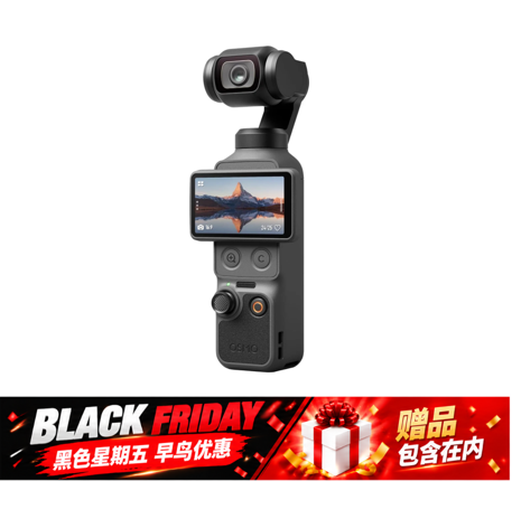 No image available
The product title mentions photography and a rotating screen. Check in advance whether it can frame a full sheet of calligraphy.
The product title lists a 1″ CMOS sensor, 2× zoom, 107GB of built-in storage and a 2″ rotating screen.
 No image available
This version includes the camera body only, so remember to choose a compatible lens.
The product details list a 24.3 MP APS-C sensor.
No. RAW is mainly useful if you want to adjust the white balance afterwards. Canon describes this option as part of RAW processing; check whether the exact camera model supports RAW shooting.
Check the exposure with a test shot and compare the light paper and ink tones with the original. Canon explains that too much light can cause overexposure; a histogram can help you assess the distribution of brightness.
If a flat sheet fits safely on an A4 glass bed, a flatbed scanner is a practical alternative. Compare the scan with the original, particularly if text or photo correction is enabled. Larger work or anything sensitive to contact may not be suitable for this A4 option.
According to ACM ConsuWijzer, you have a statutory guarantee in addition to any guarantee offered by the seller. If a product breaks down sooner than you could reasonably expect during normal use, the seller must put things right free of charge, for example by repairing or replacing it, or refunding you. A commercial guarantee period does not automatically mark the limit of your statutory rights.
When you buy from a seller at a distance, you usually have a 14-day cooling-off period; the Dutch government lists some exceptions. Check the information for your specific order, and don’t assume the same rules apply to a purchase from a private seller.