
Selling a single tin
You want to create a clear listing without buying equipment you don’t need. Try your phone first, using soft daylight and a simple background. Adobe lists a smartphone as an option for product photography on a limited budget.


For a single listing, try your existing smartphone first. Soft light, a simple background and separate photos showing the decoration and any signs of wear matter more than buying a new camera straight away. A dedicated camera is worth considering if you photograph objects regularly or your phone can’t achieve the framing and sharpness you need. If so, compare a compact camera with a fixed lens against a mirrorless camera and the lens included in the kit. A mode for capturing very small details won’t replace a good overall shot, and it won’t get rid of reflections on its own.
You want to create a clear listing without buying equipment you don’t need. Try your phone first, using soft daylight and a simple background. Adobe lists a smartphone as an option for product photography on a limited budget.
You want to show small patterns, inscriptions and signs of wear separately. Check that the camera and lens can focus at the distance you need to capture these details.
You photograph several objects and want to make repeatable choices about framing and operation. So compare not just cameras, but also the lens and other items included in the kit you’re considering.
Start by thinking about the photos you need: an overall view of the tin, clear detail shots and an honest view of its condition don’t always call for the same approach.
| What matters | What should you check? | Who is this important for? |
|---|---|---|
| Show the decoration and condition | Take an overall shot and separate detail photos. Try diffused light and, if needed, change the angle of the light to show reflections or scratches differently. Basler AG describes diffusion as an approach for highly reflective surfaces. | Do you want a buyer to be able to assess both the decoration and the tin’s actual condition? Consumers who make this their top priority account for around 33% of consumers considering this purchase. |
| Get small patterns in focus | Check the focusing distance and magnification for the zoom setting and focus mode you’ll use. OM SYSTEM says the TG-7’s microscope mode can focus from 1 cm; that alone doesn’t tell you anything about its ability to take an overall shot. | If small decorations or damage need to be shown separately, you’ll want to know whether the camera can focus on them. Consumers who prioritise close-ups account for around 27% of consumers considering this purchase. |
| Take several photos with ease | See whether you can capture overall and detail shots against a consistent background. Canon Europe recommends using a tripod to help keep the background consistent. | Do you want to take several useful views without having to work out your setup from scratch each time? Consumers who prioritise a repeatable approach account for around 20% of consumers considering this purchase. |
| Avoid an unnecessary purchase | Try your current phone in better light first. If you’re comparing mirrorless cameras, check the full kit name and which lens is included. | For a single listing, it can make sense to start with the equipment you already own and replace only what isn’t up to the job. Consumers who make avoiding an unnecessary purchase their top priority account for around 20% of consumers considering this purchase. |
A shiny tin can reflect the light source. Changing the camera won’t change how the light falls on it.
Try diffused light and a different lighting angle with your current device first.
A mode for very small details is designed for close-ups; you’ll need a different distance and framing to capture the whole lid. With a zoom lens, the focusing distance can also vary depending on the setting.
Assess overall and detail shots separately, and check the specifications for the exact camera and lens.
With a mirrorless camera, the kit contents determine which lens you can use straight away. If the included lens isn’t suitable for your shot, you may need to buy a separate lens.
Check the full variant name and what’s actually in the box before choosing a kit.
The EOS R50 is a mirrorless camera option for anyone who photographs objects regularly and wants to use interchangeable lenses.
The ZV-1A is a compact camera with a fixed zoom lens for anyone who doesn’t want to change lenses.
The TG-7 is worth considering if you regularly need to photograph very small details.
The Z50II with NIKKOR Z DX 16-50mm is a mirrorless camera option for anyone who wants to experiment with different framings.
This selection includes compact digital and vlog cameras whose product titles also mention photography. Check whether the exact model is suitable for both the overall shot you want and the details of the tin.
 No image available
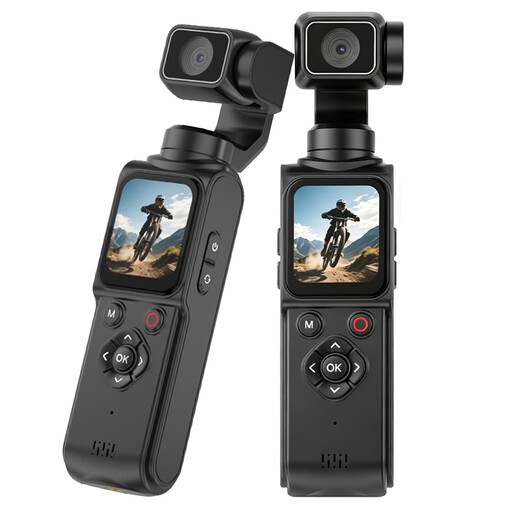
The product title mentions photo capture; check whether this model can achieve the framing you want for the tin.
The title lists 64 MP, Wi-Fi, a 330° rotating lens, a 1.72-inch touchscreen, a tripod and Type-C.
 No image available
The product title describes a digital camera for photography; check whether the focus and framing suit your tin.
The title lists 80 MP and 18X zoom.
 No image available
The product title describes a camera for photography; before buying, check whether the zoom range and focus suit the shots you want to take.
The title lists 12X optical zoom, Wi-Fi and 64 MP.
 No image available
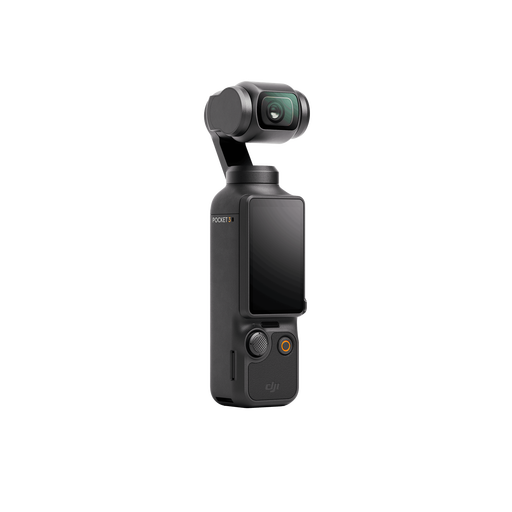
The product title mentions photography as well as vlogging; check whether the camera can take the still overall and detail shots you need.
The title lists a 1-inch CMOS sensor and 3-axis stabilisation. The package is described as the Creator Combo.
 No image available
The product title mentions photography as well as video; check whether the camera can take the still photos of the tin you need.
The title lists a 1-inch CMOS sensor and a 2-inch rotating touchscreen.
Not necessarily. Try your existing smartphone first, using soft daylight and a simple background. Adobe lists a smartphone as an option for product photography on a limited budget, but check for yourself whether the decoration and signs of wear are clearly in focus on your device.
Start with diffused light and, if needed, take another photo from a different lighting angle. Diffusion can soften harsh reflections, while changing the lighting angle can show surface details differently. If one photo doesn’t clearly show the condition, include both views.
No. Microscope mode is designed for very small details and won’t replace an overall shot. OM SYSTEM says the TG-7 can focus from 1 cm in this mode; assess the close-up and the whole tin as separate shots.
Check the full kit name and which lens is included. For example, the Canon EOS R50 kit with RF-S 18-45mm has focusing distances that, according to Canon Nederland, vary by focal length and focus mode. So don’t judge by the camera body alone.