
Vandaag of morgen in huis

Kwaliteit gegarandeerd

Welkomstaanbiedingen ontgrendelen: GRATIS bezorging | Tot 80% korting | Gratis 30 dagen JoyPlus-proefperiode
Download de app
If you're a regular cyclist or runner, you know how unpredictable the weather can be. One moment you're riding in full sun, the next you're diving into a forest or clouds roll in. A good pair of sports glasses is an essential piece of gear, not a luxury. But the search for the right pair, like photochromic polarized cycling glasses, can feel like a maze of marketing terms and technical specifications.
Many athletes invest in expensive glasses that ultimately disappoint. This is often due to a few common pitfalls. Let's clear those up first.
cycling glasses for high speeds on the road has different requirements than a pair for a run in the park. Without the right fit and ventilation, you'll end up with glasses that slip down or constantly fog up.photochromic sunglasses might react too slowly to light changes or not get dark enough in bright sun, forcing you to squint anyway.lightweight cycling glasses is a good start, but if the nose pads and temple tips aren't adjustable, the glasses can become irritating after just an hour. On a long endurance ride, that's the last thing you want to worry about.To avoid buyer's remorse, it's helpful to know which specifications truly matter. Focus on these three points, and you'll make a more informed choice.
This is the core of any advanced sports eyewear. The terms are often used interchangeably, but they mean very different things.
polarized sports glasses is designed to reduce glare. Think of the harsh reflection of the sun on a wet road, a car hood, or water. By filtering this horizontal glare, polarized lenses provide a calmer, sharper image, which significantly reduces eye fatigue on long rides.A pair of photochromic polarized cycling glasses combines both technologies. This offers the most versatile solution for the changing conditions you encounter as an athlete.
Look beyond just the lenses. The frame material and basic protection are just as important.
OutdoorMaster, use TR90 for their frames. This is a thermoplastic material known for its durability, flexibility, and light weight. A TR90 frame is impact-resistant, returns to its original shape after bending, and feels comfortable even during long training sessions.Glasses can have the best lenses in the world, but if they don't fit well, they're useless.
Not every athlete needs the same thing. Below are a few options that suit different profiles, based on their specifications.

Why This Fits Their Persona: This athlete wants one pair of glasses that performs in all conditions, from a sunny dike to a shaded forest trail. The combination of photochromic and polarized lenses offers maximum versatility.
These glasses deliver on their versatile claim with verifiable specs: both photochromic and polarized. The TR90 frame and adjustable nose pads tackle the pitfalls of comfort and fit.
One pair of glasses for all light conditions. The light weight (26-29g) and adjustable fit ensure comfort during long rides.
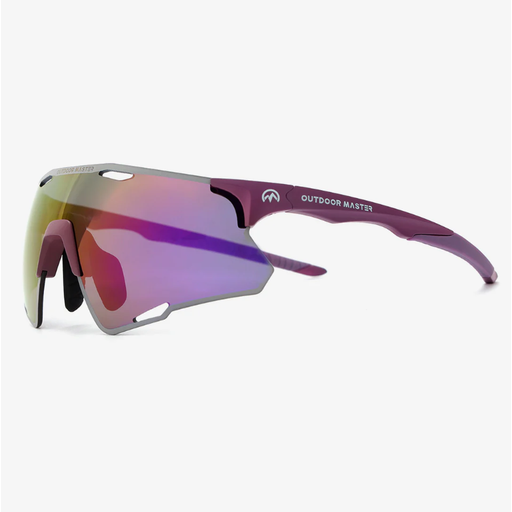
Why This Fits Their Persona: For those who cover long distances, reducing eye fatigue is a priority. These glasses focus on superior polarization to minimize glare, which is essential during hours-long rides in the sun.
These glasses make no false promises. They focus on one thing and do it well: polarization. The vented lens design directly addresses the problem of fogging, a common annoyance.
HD polarized lenses for clear vision and reduced glare. The extremely light weight (25.5g) and wide peripheral vision contribute to comfort on long distances.
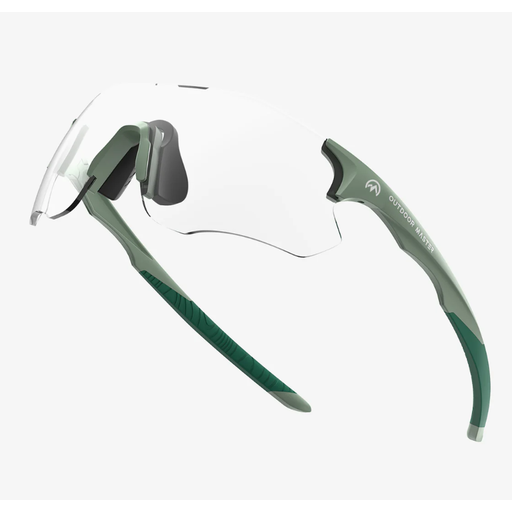
Why This Fits Their Persona: Ideal for athletes who engage in various activities, such as cycling and trail running, where light conditions can change rapidly. The photochromic lens adjusts automatically.
These glasses avoid the pitfall of vague claims by specifying a clear transition range (Cat. 0 to Cat. 3). The TR90 memory frame ensures a durable and comfortable fit for various sports.
Automatic lens tint adjustment for seamless transitions between sun and shade. The TR90 frame with anti-slip gel ensures the glasses stay in place during movement.
We have compiled a complete, up-to-date list of products that meet these strict selection criteria and current regulations.
The reaction speed depends on the quality of the lens and the intensity of the UV light. Generally, a full transition from light to dark takes about 30 to 60 seconds. The process of lightening up often takes a bit longer. An important detail: most photochromic lenses do not work, or work poorly, inside a car because the windshield blocks the UV light needed to activate the reaction.
For most situations, yes. They significantly reduce glare from wet roads, which creates a more comfortable view. However, some cyclists report that it can be harder to see slick spots like ice or oil patches, as the reflection that reveals these spots is filtered out. It can also affect the readability of some LCD screens, like your bike computer. It's partly a matter of personal preference, but for most rides in the sun, it's a major advantage.
Treat your glasses with care. Always use the provided microfiber cloth or pouch to clean the lenses. Do not use paper towels, T-shirts, or harsh cleaning agents, as they can cause scratches or damage the coatings. Rinse the glasses with lukewarm water if they are very dirty. Store them in the supplied case to prevent scratches and damage when you're not using them.
