
Vandaag of morgen in huis

Kwaliteit gegarandeerd

Welkomstaanbiedingen ontgrendelen: GRATIS bezorging | Tot 80% korting | Gratis 30 dagen JoyPlus-proefperiode
Download de app
If you use a Philips Sonicare toothbrush, you know the quality of your clean depends heavily on the brush head. But with a market flooded with options, it's easy to make the wrong choice. A bad brush head can not only diminish your cleaning results but, in some cases, even damage your toothbrush or gums. Let's review the most common pitfalls so you know what to look out for.
The first pitfall is the temptation of cheap, non-genuine brush heads. While the price may seem attractive, the fit is often imprecise. This can lead to excessive vibrations that damage the mechanism of your expensive Sonicare handle. Furthermore, the bristles are often of lower quality, which can result in an inadequate clean or gum irritation.
A second common problem is the confusion caused by the multitude of model numbers and type names. Philips offers various series, each with its own focus, such as plaque removal, teeth whitening, or gum care. Without the right knowledge, you might buy a brush head that doesn't align with your specific needs, even if it fits your toothbrush.
To avoid a bad purchase, there are a few core specifications you should always check. These objective criteria will help you ignore the marketing jargon and make an informed choice.
Most modern Philips Sonicare brush heads, including the Philips Sonicare C3 brush heads HX9044/17, use a universal "click-on" system. This means they fit most Sonicare handles (with the exception of the older PowerUp Battery and Essence models). The model number, such as HX9044, refers to a specific package and type, in this case, a Sonicare brush heads 4-pack of the C3 Premium Plaque Defense type. Always verify that the brush head is compatible with your handle to prevent performance issues.
The effectiveness of a brush head depends on its bristle design. The Sonicare C3 Premium Plaque Defense is specifically designed as an anti-plaque brush head. According to Philips, the soft, flexible sides of the bristles adapt to the contours of your teeth. This provides up to four times more surface contact and helps remove plaque from hard-to-reach areas. If your primary goal is to combat plaque, this is a key feature to look for.
The effectiveness of a brush head diminishes over time. That's why it's important to replace your Philips brush heads every three months. Many genuine Philips brush heads have indicator bristles: blue bristles that fade to white after about three months of use. Some Sonicare handles also support BrushSync technology, which automatically tracks how long and how hard you've brushed and signals when it's time for a replacement. This isn't a gimmick, but a practical feature to maintain your toothbrush's performance.
Not everyone has the same needs. Below are some popular choices, matched with different user profiles.
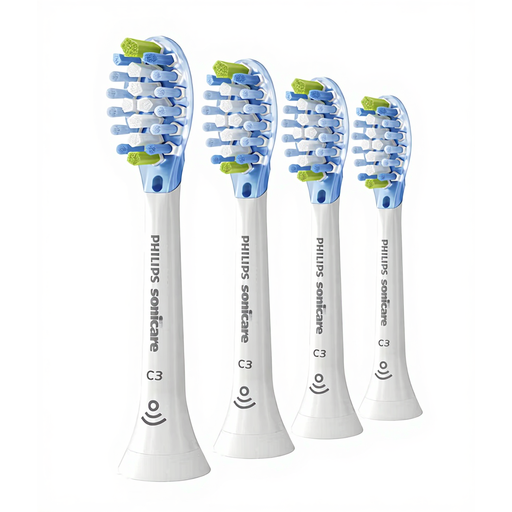
Why This Fits Their Persona: This user wants the genuine, manufacturer-guaranteed performance to maximize the effectiveness of their Sonicare toothbrush, with a clear focus on plaque removal.
By choosing the genuine product, you are assured of a perfect fit and proper function, completely avoiding the risk of damage from poorly fitting imitations.
Specifically designed for superior plaque removal. Universal compatibility with virtually all Sonicare click-on handles.
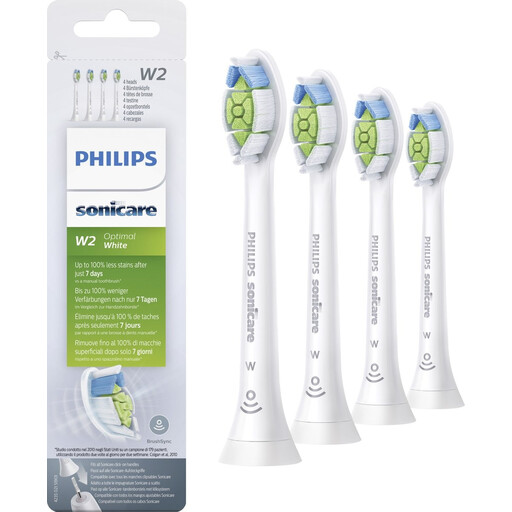
Why This Fits Their Persona: For this user, the main goal is a whiter smile. The focus is less on maximum plaque removal and more on effectively removing surface stains from coffee, tea, or wine.
This is an authentic Philips product, so you avoid compatibility and quality issues. You are consciously choosing a different type of brush head that better aligns with your aesthetic goals.
Densely packed, diamond-shaped bristles for effective stain removal. Supports BrushSync mode-pairing for the optimal whitening mode.
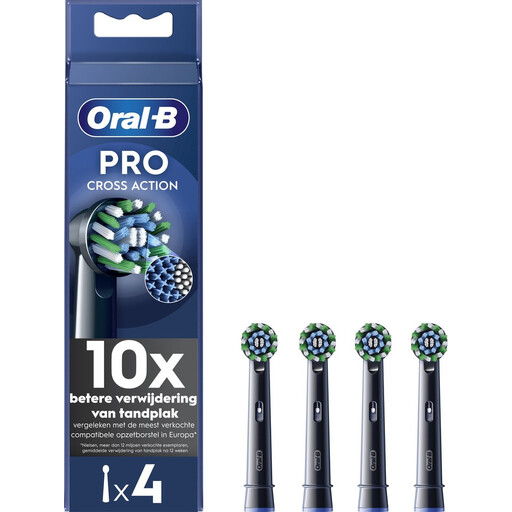
Why This Fits Their Persona: This user owns an Oral-B electric toothbrush and is looking for the correct, high-quality replacement that is compatible with their device.
This highlights the most critical pitfall: brand compatibility. A Philips brush head will not fit an Oral-B handle, and vice versa. This choice prevents an unusable purchase.
Unique 16-degree angled bristles and X-shaped bristles that clean deep between teeth. Guaranteed compatibility with most rechargeable Oral-B toothbrushes.
We have compiled a complete, up-to-date list of products that fully meet these strict selection criteria and current regulations.
Philips recommends replacing your brush head every three months. After three months of normal use, the bristles become softer and less effective at removing plaque. The blue indicator bristles that fade to white are a handy visual reminder.
Most modern Philips Sonicare brush heads, including the C3 Premium Plaque Defense, use a universal click-on system. They are designed to fit on virtually all Philips Sonicare handles, except for very old models like the PowerUp Battery and Essence. To be certain, it's always a good idea to check the product description for compatibility.
The choice depends on your personal oral care goals. The C3 Premium Plaque Defense (HX9044/17) is specifically designed for maximum plaque removal along the gumline and deep between teeth. The W2 Optimal White, on the other hand, is optimized for removing surface stains, which contributes to whiter teeth.
