
Vandaag of morgen in huis

Kwaliteit gegarandeerd

Welkomstaanbiedingen ontgrendelen: GRATIS bezorging | Tot 80% korting | Gratis 30 dagen JoyPlus-proefperiode
Download de app
You own a Philips Sonicare toothbrush, a great step for your oral care. But the toothbrush itself is only half the story. Its effectiveness heavily depends on the brush head you use. It might seem like a simple purchase, but with a growing range of options and numerous marketing claims, it's easy to make the wrong choice. An unsuitable brush head can diminish the performance of your expensive toothbrush or simply fail to meet the specific needs of your teeth.
Before you add new brush heads to your shopping cart, let's discuss the two most common pitfalls that can cost you money and compromise your cleaning results.
To avoid a bad buy, it's wise to focus on a few objective features instead of marketing slogans. These are the specifications that truly matter.
Philips offers several specialised brush heads. The three most popular series are the Premium lines, each with its own focus:
Most modern Sonicare brush heads use a convenient click-on system, making them compatible with almost all recent Philips Sonicare handles (with the exception of the older e-Series and PowerUp Battery models). A key advantage of using genuine Sonicare brush heads is their compatibility with BrushSync technology. If your toothbrush has this feature, the handle recognises which brush head you're using and automatically selects the appropriate brushing mode and intensity. The toothbrush also provides a reminder when it's time to replace the brush head.
Brush heads should be replaced approximately every three months. To save on costs, it's smart to look for a deal on Philips brush heads in the form of value packs. Packs containing four or more brush heads are often significantly cheaper per unit than individual ones. This gives you an immediate supply for an entire year and is more cost-effective in the long run.
Based on these specifications, we have matched several popular choices with different user profiles.
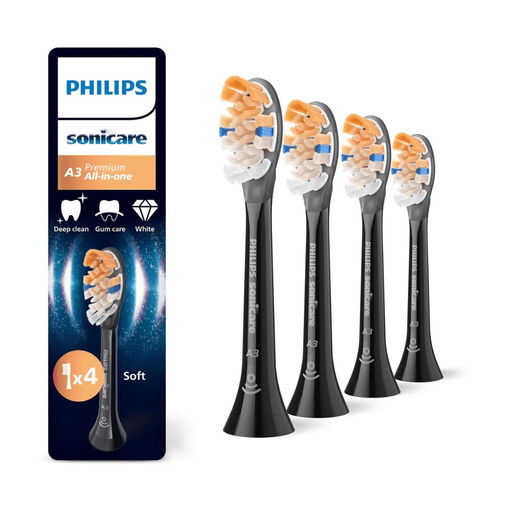
Why it's a match: For those who don't want to choose between plaque removal, whiter teeth, or gum care. This brush combines the benefits of the other specialised brushes into a single design.
You can't choose the wrong specialised brush because this one is all-in-one. It's a safe and effective choice for most users.
According to Philips, this brush removes up to 20x more plaque and provides up to 15x healthier gums in 2 weeks, compared to a manual toothbrush.
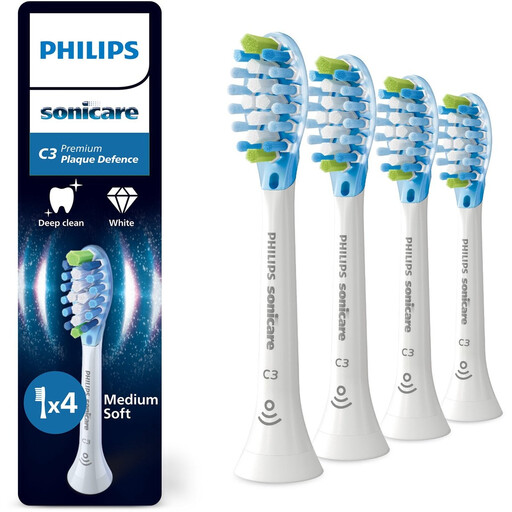
Why it's a match: Ideal for users whose primary goal is to combat plaque. The design is entirely focused on reaching and cleaning hard-to-reach areas.
By choosing a specialised brush, you tackle a specific problem with a targeted approach. You don't waste money on features you don't need.
The flexible sides adapt to the contours of your teeth, providing 4x more surface contact and, according to Philips, up to 10x more plaque removal.
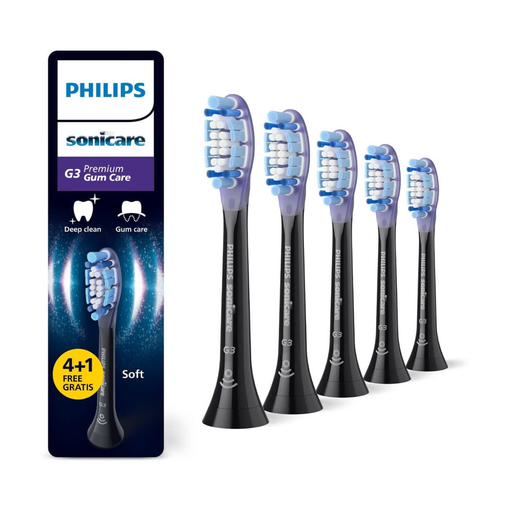
Why it's a match: Specifically designed for people who want to improve their gum health or suffer from sensitivity. The soft bristles clean effectively without causing irritation.
This prevents you from buying a brush that is too aggressive, which could actually worsen gum problems. It's a deliberate choice for gentle and effective care.
The design focuses on the gumline. The soft, flexible sides absorb excessive pressure and ensure a gentle clean.
We have compiled a complete, up-to-date list of products that fully meet these strict selection criteria and European regulations.
The general recommendation is to replace your brush head every three months. Most genuine Sonicare brush heads have blue indicator bristles that slowly fade to white. Once they are completely white, it's time for a new one. Regular replacement is crucial for a hygienic and effective clean.
Using non-genuine brush heads is not recommended. They may not fit perfectly, which can damage the sonic motor through excessive vibration or poor power transfer. Moreover, the bristle quality is often lower, which reduces cleaning performance. For the lifespan of your device and the health of your teeth, it is wise to choose genuine brush heads.
Most Philips Sonicare brush heads sold today use a universal click-on system. This means they are compatible with the vast majority of Sonicare handles, such as the DiamondClean, ProtectiveClean, and ExpertClean series. Only very old models (like the e-Series) have a different, screw-on connection. To be certain, always check the product description to confirm compatibility.
