
Vandaag of morgen in huis

Kwaliteit gegarandeerd

Welkomstaanbiedingen ontgrendelen: GRATIS bezorging | Tot 80% korting | Gratis 30 dagen JoyPlus-proefperiode
Download de app
Choosing a new electric toothbrush can feel like a daunting task. The shelves are packed with models promising to make your teeth whiter, cleaner, and healthier. But which features are genuinely useful, and which are just marketing hype? Many people fall into the same traps, ending up with an expensive device that doesn't meet their needs.
Before you make a decision, it's wise to consider a few common missteps:
To avoid buyer's remorse, it's better to focus on a few key specifications that directly impact your daily brushing experience.
The two dominant technologies are sonic and rotating. Rotating brushes have a round, spinning head. A sonic toothbrush, like the Philips Sonicare models, has an elongated head that vibrates at a very high speed. These vibrations create microbubbles that drive fluid and toothpaste deep between teeth and along the gumline. For those looking for an electric toothbrush for sensitive teeth, a sonic brush is often considered a gentler yet still effective option.
Not all 'smart' features are equally useful. However, two technologies stand out because they directly contribute to better brushing technique and oral hygiene:
Also, pay attention to the details that make daily use easier. A battery life of two to three weeks means you don't have to take the charger everywhere. For those who travel regularly, a sonic toothbrush with a travel case is a must. It protects the brush and keeps it hygienic in your suitcase or bag. The Philips HX7403/05, better known as the Sonicare 6100, is a model that combines these practical aspects.
Based on these criteria, we have selected a few products that suit specific needs.
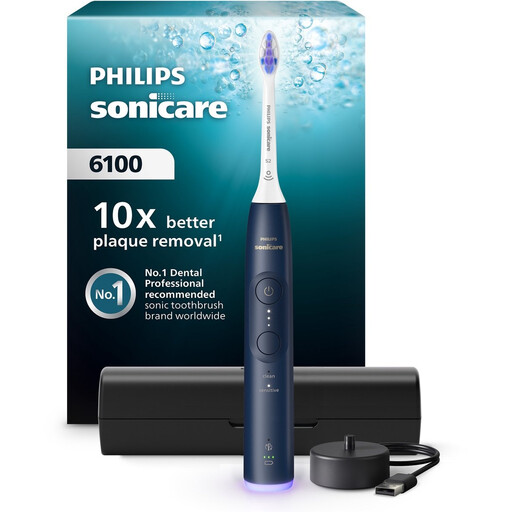
Why This Fits Their Persona: This user is looking for a reliable brand and a solution specifically tailored for sensitivity. The combination of a special brushing mode, pressure sensor, and convenient travel case makes this model a complete and well-thought-out choice.
This model focuses on features that truly matter (pressure sensor, BrushSync) and avoids unnecessary extras. The 'Sensitive' mode directly addresses the pitfall of a brush being too aggressive.
Two brushing modes and three intensity levels for a personalised clean. Includes a slim travel case and a battery life of up to three weeks.
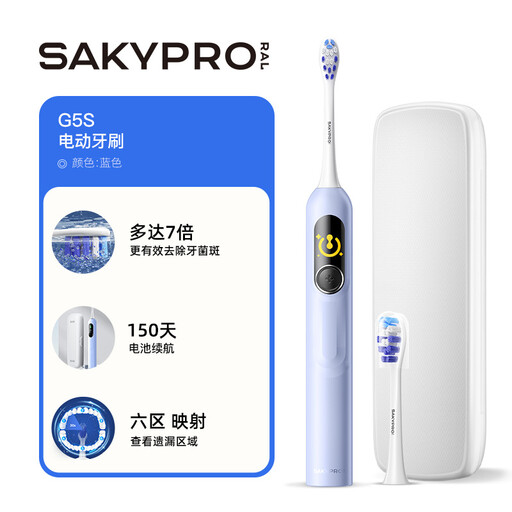
Why This Fits Their Persona: For those who love gadgets and data, this model offers a unique experience. The smart screen provides real-time feedback on brushing coverage, ensuring you don't miss a single spot.
While technologically advanced, its functionality is focused on achieving a better brushing result. The extremely long battery life (up to 150 days, according to the manufacturer) is a very practical feature.
Built-in AI screen with a brushing map for instant feedback. Includes a travel case and an exceptionally long battery life.
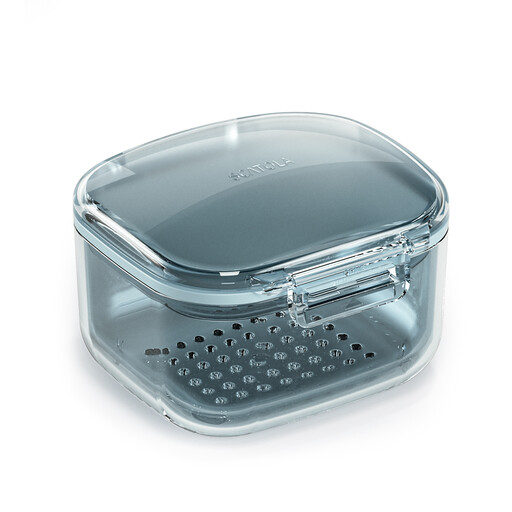
Why This Fits Their Persona: This user values hygiene and organisation, especially on the go. This case isn't just for retainers; it's also perfect for hygienically storing spare brush heads or other small oral care items.
This is a simple, affordable, and highly practical accessory. It solves a specific problem without unnecessary complexity or high costs, and prevents loose brush heads from getting dirty in a toiletry bag.
Compact and sturdy design with a convenient, removable drain tray. Keeps your oral care accessories clean and dry.
A good case is essential for keeping your toothbrush and accessories hygienic and safe, especially when travelling. We've compiled a list of practical storage solutions that meet strict selection criteria.
Philips recommends replacing the brush head every three months. A key benefit of the Sonicare 6100 is its BrushSync technology. This feature tracks your brush head's usage and indicates when it's time for a replacement via a light on the handle. So, you don't have to keep track of it yourself.
Yes, sonic toothbrushes are generally considered safe for use with braces, crowns, and implants. The 'Sensitive' mode and the built-in pressure sensor on the Sonicare 6100 are particularly useful for this. They ensure a gentle clean and prevent you from applying too much pressure to delicate areas. It's always wise to consult your dentist or orthodontist if you have any doubts.
The 'Clean' mode is the standard setting for daily use, focused on effective plaque removal. The 'Sensitive' mode operates at a lower intensity. This mode provides a gentler vibration and is specifically designed for people with sensitive teeth or sore gums, offering a comfortable yet thorough clean.
