
Vandaag of morgen in huis

Kwaliteit gegarandeerd

Welkomstaanbiedingen ontgrendelen: GRATIS bezorging | Tot 80% korting | Gratis 30 dagen JoyPlus-proefperiode
Download de app
A good frying pan is an essential tool in any kitchen. But the search for a new one, especially a PFAS-free frying pan, can feel like navigating a maze. Manufacturers promise the world with terms like "healthy," "durable," and "for life." The reality is often different. Many pans end up scratched or warped at the back of the cupboard after just a few months.
Before you make a decision, it's wise to understand the most common pitfalls that can drive up costs unnecessarily:
A bad purchase is frustrating and a waste of money. Let's therefore look at the specifications that truly matter.
To find a pan that suits your cooking style and lasts longer, two elements are crucial: the material of the pan and the construction of its base.
When searching for a frying pan without PFAS, you'll typically encounter two options: a ceramic frying pan or a stainless steel frying pan.
Do you cook on an induction hob? Then the base of the pan is the most important feature. A good induction pan has a thick, multi-layered base (often referred to as tri-ply or with a TransTherm base). This construction, usually a layer of aluminium sandwiched between two layers of stainless steel, ensures two things:
A pan with a thin, stamped base will quickly lose its shape on an induction hob and become unusable.
Based on objective specifications, we have selected a number of pans that suit different user profiles and avoid the pitfalls mentioned earlier.
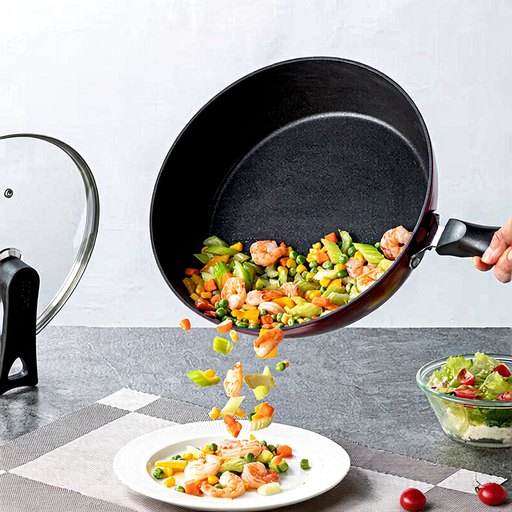
Why This Fits Their Persona: Perfect for those seeking a functional, PFOA-free pan for daily use without a major investment. A simple and effective entry into PFAS-free cooking.
This pan offers a functional non-stick coating without the premium price of more expensive ceramic pans. The base is designed for all heat sources, including induction, providing a stable foundation for everyday meals.
Suitable for all heat sources, including induction. The 28 cm diameter is ideal for most dishes. Lightweight and easy to handle.
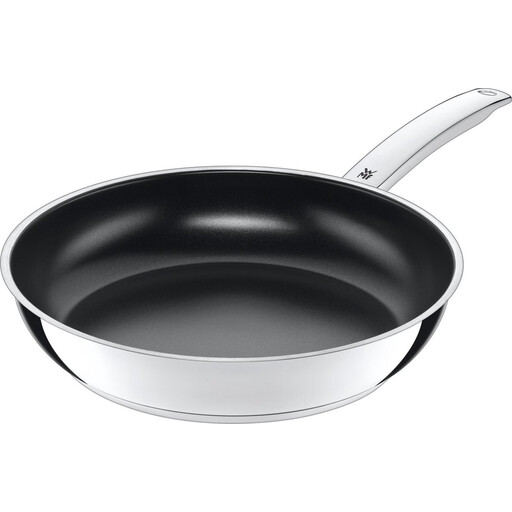
Why This Fits Their Persona: For those who cook daily and want a durable, reliable pan that delivers consistent performance. An investment in quality and ease of use from a renowned brand.
The Cromargan stainless steel body is sturdy and won't warp on induction. The ceramic coating is designed for high temperatures (up to 400°C), which improves its lifespan with correct use and reduces the risk of rapid wear.
Made from high-quality Cromargan 18/10 stainless steel. Suitable for very high temperatures on the hob and in the oven (up to 250°C). Wide rim for drip-free pouring.
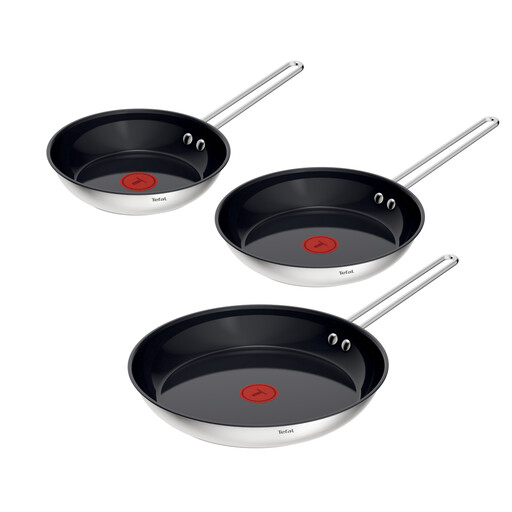
Why This Fits Their Persona: Ideal for those setting up a new kitchen or looking to replace all their old pans in one go with a complete, coordinated, and PFAS-free frying pan set.
This set takes the guesswork out by offering three core sizes with a reliable ceramic coating and a solid, 3-layer base that performs excellently on induction. The 10-year warranty on the stainless steel provides extra assurance against manufacturing defects.
Complete set with three sizes. Made from recycled stainless steel with a 10-year warranty on the steel. Tefal's Thermo-Signal technology indicates when the pan has reached the ideal cooking temperature.
We have compiled a complete, up-to-date list of products that fully meet these strict selection criteria and safety regulations.
The lifespan of a ceramic pan depends heavily on its use and maintenance. A good quality pan can last for several years with careful use. The key tips are: avoid metal utensils, do not heat the pan empty on the highest setting, and wash the pan by hand with a soft sponge.
Absolutely. A stainless steel frying pan is a very durable and safe choice, as there is no coating that can be damaged or wear off. It's a pan for life if you treat it well. It does require an adjustment in your cooking technique: use slightly more oil or butter and ensure the pan is properly heated before adding ingredients. This creates a natural non-stick layer.
Look for the official induction symbol (a coil icon) on the bottom of the pan or on the packaging. A simple test is to see if a magnet sticks to the base. If the base is magnetic, the pan will work on an induction hob. For the best performance, choose a pan with a thick, completely flat base.
