
Vandaag of morgen in huis

Kwaliteit gegarandeerd

Welkomstaanbiedingen ontgrendelen: GRATIS bezorging | Tot 80% korting | Gratis 30 dagen JoyPlus-proefperiode
Download de app
A good frying pan is an essential tool in any kitchen. More and more people are consciously choosing a PFAS-free frying pan, seeking a healthier and more sustainable alternative. But the market is flooded with options and marketing promises, making it easy to buy a pan that needs replacing after just a few months.
As a Product Recommendation Officer at Joybuy, I see every day which pans meet expectations and which ones don't. To help you avoid a bad purchase, I've outlined the three most common pitfalls.
To avoid these pitfalls, it's crucial to look beyond the packaging. Pay attention to the following three points that determine the quality and longevity of your pan.
A healthy frying pan starts with a quality coating. A high-end ceramic non-stick coating often consists of multiple layers. Some manufacturers reinforce the coating with particles like diamond or titanium to increase scratch resistance and durability. These kinds of specifications, often found in the product description, indicate a more durable frying pan.
For those who cook on induction, the base is everything. A good induction-compatible frying pan has a thick, multi-layered base with a ferromagnetic layer (usually steel). This not only ensures fast, even heating but also prevents the pan from warping at high temperatures. A pan made from "forged" or "cast" aluminium is typically sturdier than one made from thin, stamped aluminium.
Always check the maximum oven temperature and the handle material.
Based on these objective criteria, we have selected a number of pans that suit different user profiles.
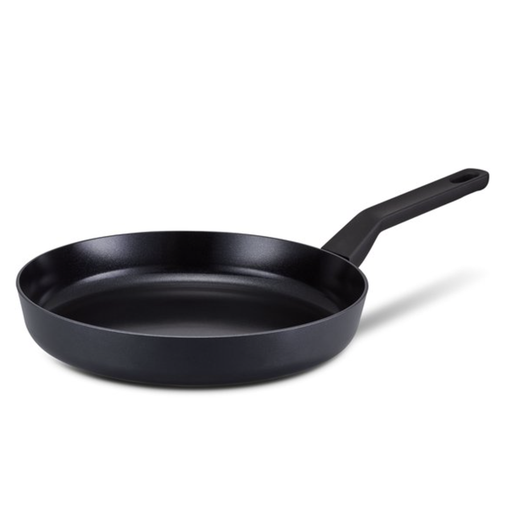
Why it's a match: Ideal for a single-person household or for quickly frying an egg or small side dishes. Its compact size and light weight make it practical for daily use.
The product information is explicit: the heat-resistant Bakelite handle is not intended for the oven. This prevents confusion around the "oven-safe" pitfall.
Made from 100% recycled aluminium and suitable for all heat sources, including induction. The pan heats up quickly, saving time and energy.

Why it's a match: A true all-rounder for those who like to switch from hob to oven. Suitable for 2-3 people and ideal for finishing a dish in the oven.
The robust stainless steel handle is riveted on, and the pan is oven-safe up to 200°C (400°F). This is a clear, functional specification that avoids the pitfall of vague "oven-safe" claims.
The construction of forged, 100% recycled aluminium ensures a sturdy, warp-resistant pan that retains and distributes heat well, even on induction.
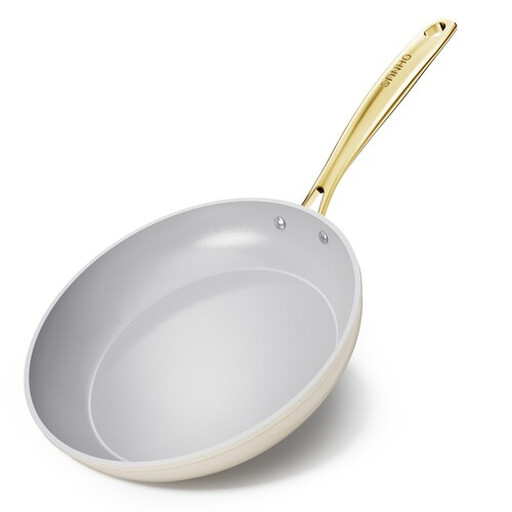
Why it's a match: For the serious home cook who invests in materials built to last. The pan is designed for intensive daily use and high temperatures.
The manufacturer claims a patented diamond-titanium coating that is more scratch-resistant than standard ceramic coatings. This directly addresses the pitfall of a quickly deteriorating non-stick layer.
Very high oven resistance up to 260°C (500°F) and an encapsulated stainless steel base for optimal heat distribution on all heat sources, including induction.
We have compiled a complete, up-to-date list of products that fully meet these strict selection criteria and safety regulations.
The lifespan of a ceramic frying pan depends heavily on use and care. With daily use and proper maintenance, a high-quality pan can last for several years. Avoid metal utensils, overheating, and abrasive cleaning agents. Hand washing is often recommended to extend its lifespan.
After use, let the pan cool down first to prevent thermal shock (and warping). Then, clean it with warm water, a mild soap, and a soft sponge or cloth. Thanks to the smooth coating, most food residue will slide off easily.
A PFAS-free frying pan is an important step towards healthier cooking. Ceramic coatings are made from natural materials (sand and clay) and do not release harmful fumes when heated. This makes it a safe choice for everyday meals. However, ensure the pan is also free from other substances like PFOA, lead, and cadmium. This is usually explicitly stated by the manufacturer.
