
Vandaag of morgen in huis

Kwaliteit gegarandeerd

Welkomstaanbiedingen ontgrendelen: GRATIS bezorging | Tot 80% korting | Gratis 30 dagen JoyPlus-proefperiode
Download de app
Buying a hat seems simple – until a cap feels too tight, a hat blows off in the first gust of wind or a supposedly waterproof style turns out to be merely water-resistant. So, when shopping for men’s and women’s caps and hats, you need to consider more than colour and shape. Fit, material, care and intended use all determine whether a product is suitable for everyday wear, sport or outdoor activities.
“One size fits most” doesn’t tell you much without an exact head measurement. A loose baseball cap can shift while you’re cycling or running. A tight winter hat may become uncomfortable if you wear it for a long time. Always check the size in centimetres and see whether it has an adjustable strap, drawstring or elasticated construction.
A waterproof cap or outdoor hat may be useful in changeable British weather, but the product description doesn’t always say how long, or in what conditions, the fabric will keep out water. Check the exact wording. “Waterproof” or “water-resistant” isn’t a general guarantee that a product will stand up to prolonged use in heavy rain. Breathability may also matter more than a fully sealed fabric when you’re walking or exercising.
A UV-protective hat with UPF 50+ has a stated textile rating. That doesn’t mean every part of your face, neck or shoulders will be fully covered. Check the width of the brim, whether it has a neck flap and how the hat fits. Some brands state that a UPF rating applies to the material; always check the specifications for the individual style.
Measure your head with a flexible tape measure, roughly across the middle of your forehead and above your ears. Compare the result with the size chart:
A 56–58 cm cap is in a different size range from a 60–62 cm style. Don’t rely on M/L or XL alone.
Linen, cotton and mesh are good options for warm days. A breathable cap with ventilation holes or mesh panels can help air circulate. Polyester is lightweight and can dry quickly, but it doesn’t feel the same to everyone. For sport, a sweatband and low weight are practical features.
Fleece, acrylic and knitted fabrics are common choices for cold weather. A winter hat with a close fit keeps the wind out better than a loose style. A fleece neck warmer can be even more versatile if you can also wear it as a hat or face covering.
A curved peak reduces direct sunlight in your eyes, but covers less of your neck than a wide-brimmed hat. For fishing, gardening and camping, an outdoor hat with a brim of around 8 cm and an adjustable cord may be more practical. For running or golf, a lightweight sports cap with a secure fastening is often enough.
Remember to check the care instructions too. Some styles can only be hand-washed, while others can go on a delicate cycle or be spot-cleaned. Washing a hat incorrectly can damage its shape, peak or water-repellent finish.
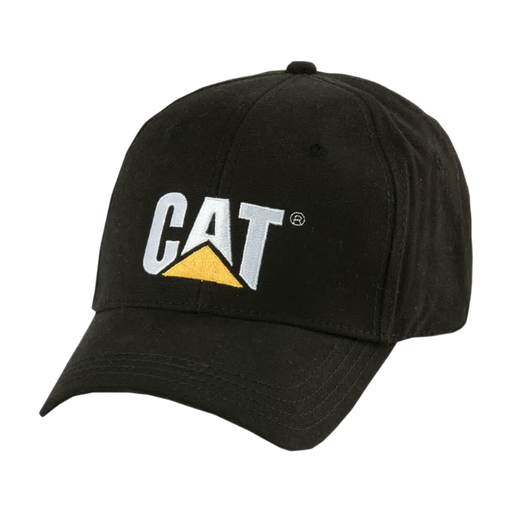
Why it suits this profile: This classic cap is designed for everyday wear and has an adjustable fastening. That makes it easier to find a comfortable fit for commuting, shopping and casual outfits.
The product information lists an adjustable strap-back fastening and a mid-profile shape. Still, check your head measurement, as an adjustable strap is no substitute for a size chart.
100% cotton, a curved peak and a metal buckle, according to the product specifications.
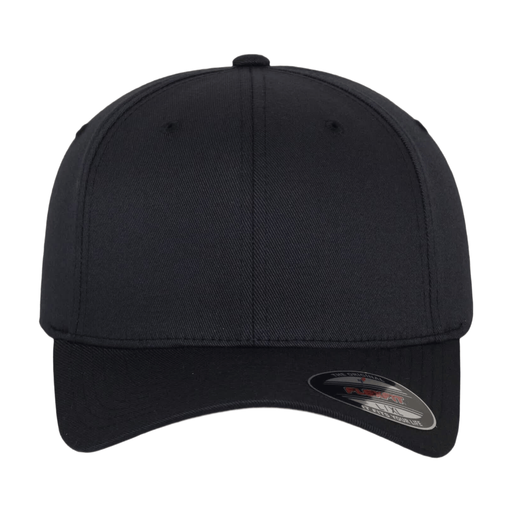
Why it suits this profile: The elasticated Flexfit construction, soft inner band and ventilation holes make this a good option if you’re looking for a smart cap for everyday wear and outdoor activities.
The size chart covers 53 to 64 cm, so you can compare sizes more precisely than with a general one-size-fits-most label.
63% polyester, 34% cotton and 3% elastane; the manufacturer lists a curved peak and embroidered ventilation holes.

Why it suits this profile: According to the product description, the combination of a wide brim, neck flap and adjustable fit is designed for walking, fishing, gardening and other outdoor activities.
The description mentions a storage pocket beneath the brim for the neck flap, as well as an opening for sunglasses. However, the cap is designed for hand-washing, not a standard machine-wash programme.
100% nylon for the main section, a nylon/elastane neck flap and a size range of 57–65 cm, according to the product specifications.
We’ve put together a complete, up-to-date list of products that meet these strict selection criteria and the applicable European safety regulations.
Choose a lightweight sports cap with ventilation holes, a moisture-wicking sweatband and a fastening that stays in place. Check the material and care instructions. A flexible peak can be handy if you want to pack the cap away compactly.
Measure the circumference of your head with a tape measure, above your eyebrows and ears. Keep the tape comfortably snug, but don’t pull it tight. Then compare the measurement in centimetres with the chart for that specific product. An adjustable cord is also useful with a packable hat.
Always follow the care label. Cotton caps can lose their shape if washed at too high a temperature. Fleece and knitted hats generally keep their shape better when washed at the recommended temperature and left to air-dry. Don’t use harsh cleaners on styles with a coating, logo or special finish.
