
Vandaag of morgen in huis

Kwaliteit gegarandeerd

Welkomstaanbiedingen ontgrendelen: GRATIS bezorging | Tot 80% korting | Gratis 30 dagen JoyPlus-proefperiode
Download de app
If you’re looking for 1.75 mm, 1 kg PETG filament, you’re probably after a combination of strong prints, reasonable printability and enough material for several projects. But choosing the wrong roll can lead to poor layer adhesion, damp filament or a spool that doesn’t fit your printer.
This buying guide helps hobbyists, makers and professionals compare PETG 3D filament objectively. It focuses on verifiable product specifications, practical compatibility and avoiding marketing claims that may not apply to every printer or use.
Some rolls are marketed as PETG filament for high-speed printing. This usually refers to how the product is positioned or the settings recommended by the manufacturer. The actual speed also depends on the hotend, nozzle, cooling, layer height, acceleration and slicer settings.
According to the product listings, several eSUN PETG-Basic rolls are suitable for high-speed printing. That doesn’t guarantee that every FDM printer can handle the same speed. So start at a moderate speed and only increase it if the temperature and volumetric flow remain stable.
PETG is often chosen for parts that need to be stronger or more moisture-resistant than standard PLA. However, “suitable for outdoor use” doesn’t automatically mean a print will withstand prolonged exposure to sun, frost, rain and temperature fluctuations without problems.
Outdoor use is mentioned in the product names of the eSUN Matte PETG products. Treat this as an indication from the manufacturer, not a universal performance guarantee. For an outdoor part, its shape, wall thickness, infill, colour and mounting are at least as important as the material type.
A cheap roll can be tempting, but always check:
If your printer uses 1.75 mm filament, the roll must have the same nominal diameter. An inconsistent diameter can cause uneven extrusion. So check the technical data sheet if the manufacturer specifies a diameter tolerance.
A 1 kg roll of PETG filament is handy for functional prototypes, brackets, containers and larger models. Work out how much material you’ll need in advance; a print with lots of support can use considerably more filament than the model itself.
PETG is generally printed at a higher temperature than PLA. The right temperature varies by brand, colour and printer. Use the settings on the packaging or product page as a starting point, then run a small temperature or calibration test.
Also pay attention to:
Matte PETG filament often conceals small layer transitions better and has a less glossy appearance. Transparent PETG can be suitable for decorative parts or models where light transmission is desirable, but the final clarity is affected by layer height, infill and printing temperature.
Colour names such as black, white, red or transparent PETG filament aren’t always directly comparable between brands. Use product images as a guide, but bear in mind that colours can look different on screen and in the finished print.
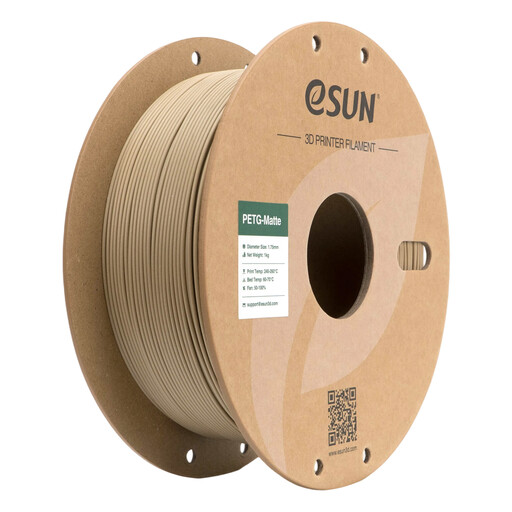
Why it suits this user: This roll combines a 1 kg quantity with a matte finish and an earthy colour. That makes it a practical choice for decorative models and general practice prints.
The product name clearly states 1.75 mm, 1 kg and matte PETG. Before buying, check the recommended printer settings and spool dimensions.
1 kg of material; matte finish; brown colour for eye-catching decorative prints.
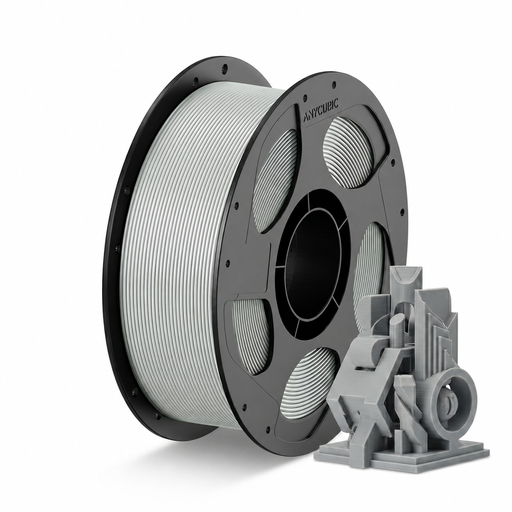
Why it suits this user: The grey colour is a neutral choice for functional prototypes, models and parts that may be finished later.
According to the product description, the roll has a diameter of 1.75 mm, contains 1 kg and comes on a reusable spool. Check the exact tolerance and temperature settings with the seller.
1.75 mm and 1 kg; versatile grey colour; listed as suitable for FDM printers.
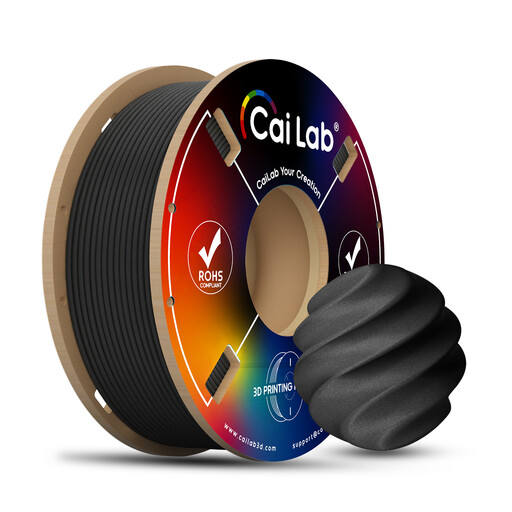
Why it suits this user: This variant is intended for users specifically looking for carbon-fibre PETG and who can prepare their printer accordingly.
Carbon-fibre PETG isn’t an ordinary PETG roll. Use a suitable, wear-resistant nozzle and follow the manufacturer’s safety warning: print in a well-ventilated area and don’t touch hot printer parts.
Carbon-fibre PETG; black finish; clear safety information in the product listing.
We’ve put together a complete, up-to-date list of products that meet these strict selection criteria and the applicable European safety regulations.
It varies by brand, colour and printer. Start with the temperature shown on the product packaging, then adjust it in small increments. Check layer adhesion, stringing and consistent extrusion. A temperature that’s too high can cause stringing and a messy finish; one that’s too low can result in weak layers.
An opened roll can last a long time if you store it in a dry, sealed container, preferably with desiccant. Damp PETG often makes popping sounds at the nozzle and can produce small bubbles, extra stringing or an uneven surface. A filament dryer can help, but follow the manufacturer’s recommended drying temperature.
PETG can be used for certain outdoor parts, but its suitability depends on the design, colour, load, UV exposure and temperature. Treat claims such as “suitable for outdoor use” as information from the brand. Always test an important part in the conditions in which you intend to use it.
