
Vandaag of morgen in huis

Kwaliteit gegarandeerd

Welkomstaanbiedingen ontgrendelen: GRATIS bezorging | Tot 80% korting | Gratis 30 dagen JoyPlus-proefperiode
Download de app
As a Product Recommendation Officer at Joybuy, I see the vast number of pet toys on the market every day. The selection is huge, but that doesn't make the choice any easier. Many owners invest in toys that are ignored within a week or, worse, destroyed. Before you spend money on another toy that ends up under the sofa, let's look at the most common pitfalls.
By recognising these points, you can make a much better choice.
You don't need to be a product expert to make a good purchase. Just pay attention to a few practical things that make the difference between a favourite toy and a bad buy.
The material determines the lifespan and safety of the pet toy. A toy for a Dachshund has different requirements than one for a Staffordshire Bull Terrier.
Think about what your pet needs. Is it to combat boredom when you're away, or is it a way to play together?
Always inspect a toy before giving it to your pet. Pay attention to the following points:
Based on these criteria, we have selected a number of products that suit the different needs of pets and their owners.
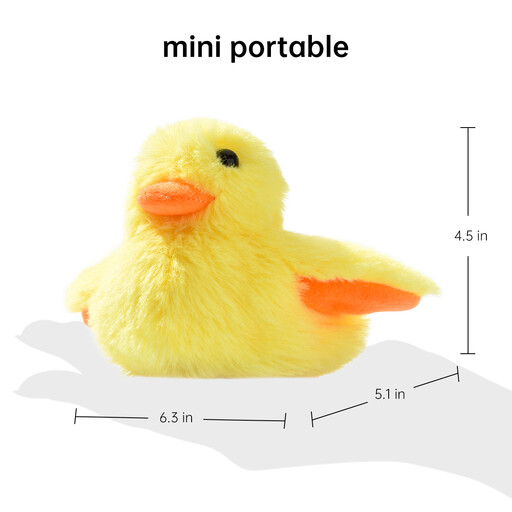
Why This Fits Their Persona: Ideal for indoor cats that need an outlet for their hunting instincts. The realistic flapping movements and duck sounds mimic prey, encouraging cats to move and play.
This is not a passive toy that gets ignored. Its dynamic movements and sounds hold the cat's attention, avoiding the 'wrong type of stimulation' pitfall.
The motor provides realistic wing movements and sound. The toy is rechargeable via USB-C and includes catnip for extra appeal.
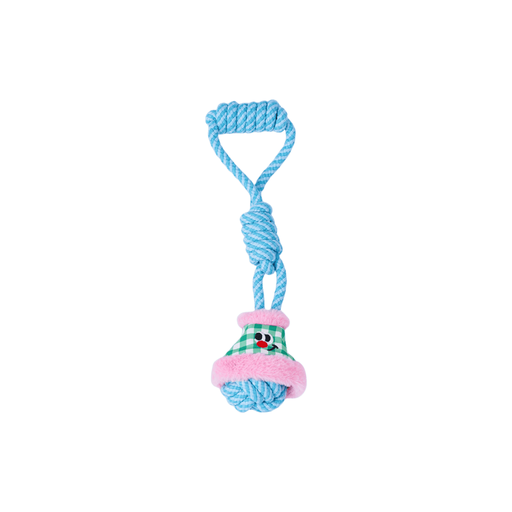
Why This Fits Their Persona: Perfect for dogs that love to chew and play tug-of-war. The design focuses on durability and can withstand the active play of most dog breeds.
The spherical, knitted structure is specially designed to be chew-resistant. This prevents the 'one-day wonder' pitfall, where toys are destroyed instantly.
Durable, chew-resistant rope construction. The cap with crinkle paper can be removed for varied sensory stimulation.
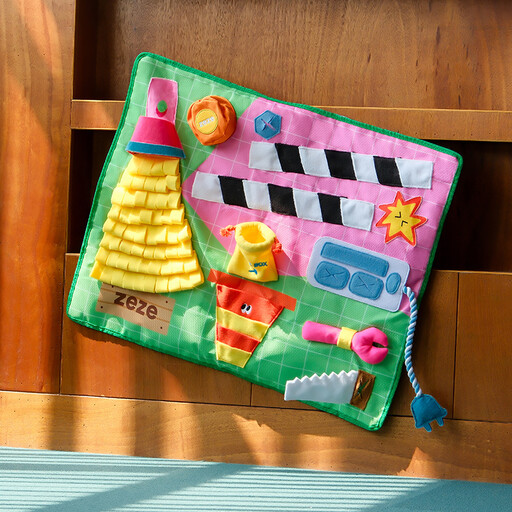
Why This Fits Their Persona: For dogs that get bored easily and need a mental challenge. This snuffle mat turns mealtime into a game, helping to burn off excess energy.
This toy directly tackles boredom by stimulating a dog's natural foraging instinct. This prevents a pet from ignoring their toy because it isn't challenging enough.
Large size (70 x 57 cm) with many different pockets and materials to hide kibble. Helps with stress reduction and brain stimulation.
We have compiled a complete, up-to-date list of products that meet these selection criteria and current safety guidelines.
There's no fixed rule, but inspect toys weekly for wear and tear. Replace them as soon as you notice cracks, loose parts, or sharp edges. Broken toys can be a choking hazard. Regular checks are especially important for heavy-duty dog chew toys.
No, for most cats, catnip and silvervine are not harmful. These herbs induce a temporary, euphoric reaction that makes cat toys extra appealing. About 70-80% of cats respond to catnip. Silvervine is a good alternative for cats that don't react to catnip. The reaction usually lasts 5 to 15 minutes and is completely normal.
The cleaning method depends on the material.
