
Vandaag of morgen in huis

Kwaliteit gegarandeerd

Welkomstaanbiedingen ontgrendelen: GRATIS bezorging | Tot 80% korting | Gratis 30 dagen JoyPlus-proefperiode
Download de app
Choosing the right pet food seems simple until you compare labels, flavours and nutritional claims. Are you looking for dog food, cat food, dry dog food or wet dog food? You will soon come across terms such as “natural”, “with chicken”, “grain-free” or “supports immunity”. These words do not always tell you enough about whether a product is suitable for your pet.
So focus mainly on verifiable information: the animal species, life stage, ingredients, analytical constituents, feeding guidelines and pack size. This will help you avoid paying too much for a product that does not suit your dog or cat’s age, activity level or eating habits.
The name only tells you something once you have checked the ingredients list. For example, Felix Double the Tasty Beef and Chicken contains 2% chicken and 2% beef in certain kibbles. The product description therefore uses the wording “flavoured with”. Other products contain a higher proportion of chicken. Farmina N&D Prime Chicken Adult Mini, for example, lists 26% fresh chicken and 25% dehydrated chicken meat in its ingredients.
So do not just look at the flavour on the front of the pack. Check the order and percentages of the ingredients.
Dog biscuits, cat treats and soft treats are intended as supplementary food. INABA Fun Bites Dog Chicken Wraps Chicken with Sweet Potato is described as complementary pet food and contains 82% moisture. The packaging states that the product is not intended to replace a complete meal.
Use snacks during training or as a reward, and take the daily amount into account. The INABA Chicken with Cheese variant also states that treats should make up no more than 10% of the daily calorie intake.
A 12 or 15 kg pack may seem appealing for a large or active pet, but only if you use the food within the recommended storage period. Once opened, a bag of dry dog food should be kept tightly sealed in a cool, dry place. Wet food and moist treats require extra care: according to the product information, leftovers should be refrigerated and used within the specified period.
Choose food that is clearly intended for your pet and its life stage:
Purina One Sterilcat, for example, provides guidelines based on body weight for sterilised adult cats. This makes it easier to adjust the portion to your pet’s weight and body condition.
Check the legal designation on the packaging. Complete food is intended as a daily meal when fed according to the feeding guidelines. Complementary pet food is a snack or addition and does not provide all the nutrients needed for a full day.
Cesar Classic Wet Dog Food Chicken is described as complete wet food for adult dogs. INABA Fun Bites Chicken with Sweet Potato, on the other hand, is a treat. This difference matters more than the flavour name or packaging.
As well as protein and fat, compare the moisture content. Dry food generally contains little moisture, while wet food often contains around 80% moisture. Cesar, for example, lists 81% moisture, while INABA Chicken with Sweet Potato contains 82%.
A higher protein percentage does not automatically mean that a product is suitable for every dog or cat. Always consider the full composition, life stage and feeding quantity. Also make sure fresh drinking water is available at all times.
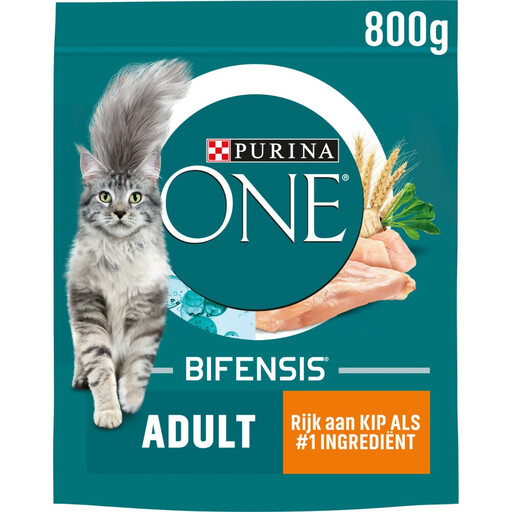
Why it suits this profile: A manageable pack for adult cats that you want to try before buying a larger bag. The composition lists 34% protein and 14% fat.
The ingredients list states that the product contains 17% chicken, as well as providing the analytical constituents and feeding guidelines by weight.
Complete dry food for adult cats from one year old; 800 g bag.
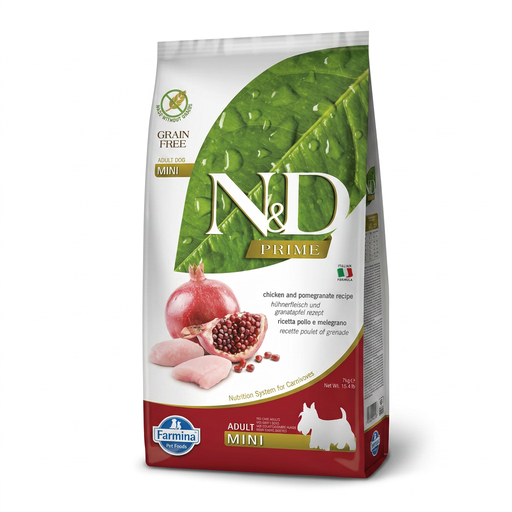
Why it suits this profile: Designed for adult small-breed dogs looking for a grain-free recipe and a larger pack.
The product description gives specific percentages: 26% fresh chicken and 25% dehydrated chicken, rather than relying solely on a flavour claim.
34% crude protein, 18% fat and a grain-free recipe according to the product information.
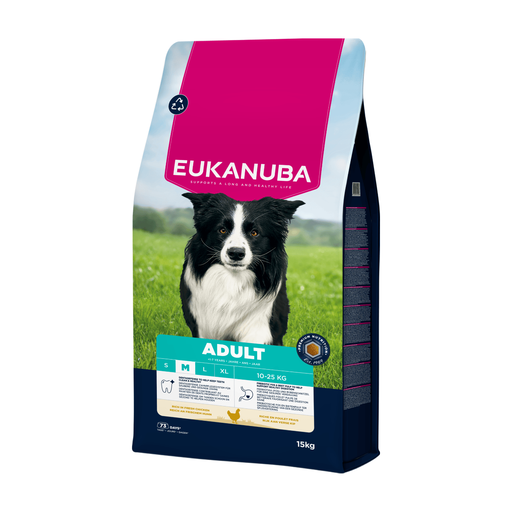
Why it suits this profile: A large bag of dry food for medium-breed dogs, intended for adult dogs aged between one and seven years.
The product description specifies breed size and age, so you do not have to rely solely on the chicken variant or pack size.
15 kg pack; the description mentions chicken, L-carnitine, omega 3 and omega 6.
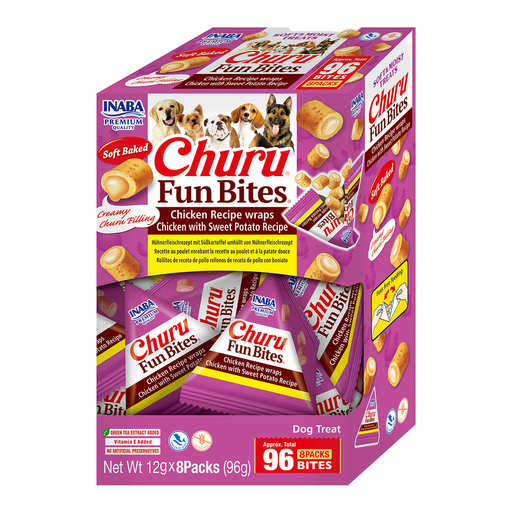
Why it suits this profile: Soft treats in portion packs for training, rewards or use between meals.
The packaging clearly states that this is complementary pet food and gives a recommended amount of one to two pouches per day.
40 g per pouch; chicken and sweet potato; soft texture and 82% moisture according to the product information.
We have put together a complete, up-to-date list of products that fully meet these strict selection criteria and the applicable European safety regulations.
Use this order when comparing pet food online:
If your pet has specific dietary needs or persistent symptoms, it is advisable to consult a vet. Product information is not a substitute for personalised nutritional advice.
Dry dog food contains little moisture and is usually easy to portion and store. Wet dog food contains much more moisture and is often supplied in portions. With both types, check whether the product is complete food and adjust the amount according to the label.
This varies from product to product. Store dry food in a cool, dry place in a tightly sealed container or pack. According to the product information, opened moist treats such as INABA should be refrigerated and used within 24 hours. Cesar states that leftover wet food can be kept in the fridge for a maximum of two days. Always follow the packaging instructions.
Not as a rule. Grain-free dog food may suit those who prefer a particular recipe, but “grain-free” does not automatically make a product suitable for every dog. Look at the complete ingredients list, nutritional value and your pet’s life stage. If you suspect a food intolerance, it is best to seek professional advice first.
