
Vandaag of morgen in huis

Kwaliteit gegarandeerd

Welkomstaanbiedingen ontgrendelen: GRATIS bezorging | Tot 80% korting | Gratis 30 dagen JoyPlus-proefperiode
Download de app
A pet cage needs to suit your animal, the space you have available and how you’ll use it day to day. Yet many buyers focus mainly on price or appearance. This can leave you with an enclosure that’s difficult to clean, becomes unstable quickly or doesn’t provide enough room.
So watch out for these three common pitfalls:
A good pet cage isn’t necessarily the biggest or cheapest model. The right choice depends on your animal, the layout and where you’ll keep it at home.
Start with the interior space, not just the overall external measurements. Measure the area where you plan to put the enclosure, and allow for doors, wheels, a stand or extra storage space.
Different pets have different needs:
Picture where you’ll place food bowls, a sleeping area, an exercise wheel or perches in the cage. This will help you see whether there’ll still be enough clear space once everything is in place.
Before buying, check these technical details:
Bar spacing or mesh size
The gaps must be suitable for the size of your animal. A small bird or rodent shouldn’t be able to get its head or feet trapped. For a dog or cat, a sturdy frame and a reliable door are more important than fine mesh.
Frame and finish
Steel or a sturdy metal frame may be suitable for animals that climb or push against the sides. For fabric enclosures, Oxford fabric, PVC tubes and mesh are useful specifications to check. Look out for sharp edges, protruding wires and loose joints too.
Ventilation and cleaning
An enclosure needs to let air circulate and be easy to clean. A cage with a pull-out tray makes it easier to remove bedding. A smooth, accessible base helps prevent dirt from building up in hard-to-reach spots.
A CE marking isn’t a general legal product requirement for every pet cage, as it is for certain electrical products. So don’t rely on certifications alone: check the product specifications, fastenings, materials and dimensions too. Also follow the care requirements for your particular species. If you’re unsure, ask a vet or a specialist animal welfare organisation for advice.
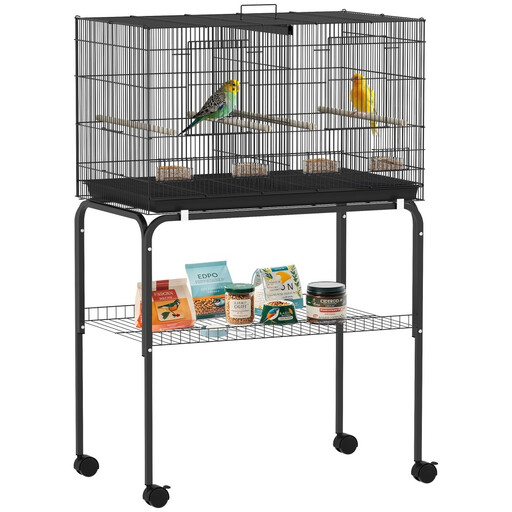
Why it suits this type of buyer: Measuring 76 × 46 × 116 cm, this model comes with four wooden perches, four feeders and a pull-out tray, according to the product listing. It gives beginners a straightforward starting point for an indoor bird enclosure.
The divider and pull-out tray make arranging the cage and keeping it clean more practical than with a basic open frame.
Steel construction, four feeders, four wooden perches and a pull-out tray.
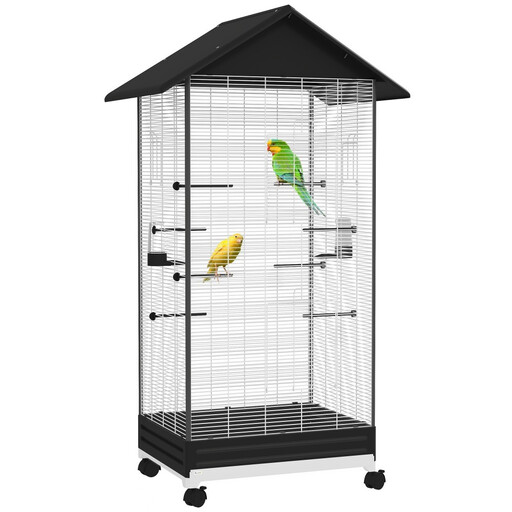
Why it suits this type of buyer: Measuring 79 × 65 × 155 cm, this model has a stand and wheels. It’s designed for buyers looking for a more spacious bird cage for the living room or a sheltered spot.
The fixed stand means you don’t have to place the cage on unsuitable furniture. However, check the access route and make sure there’s enough room to move it around.
Wheels, stand, two feeders and eight steel perches, according to the product information.
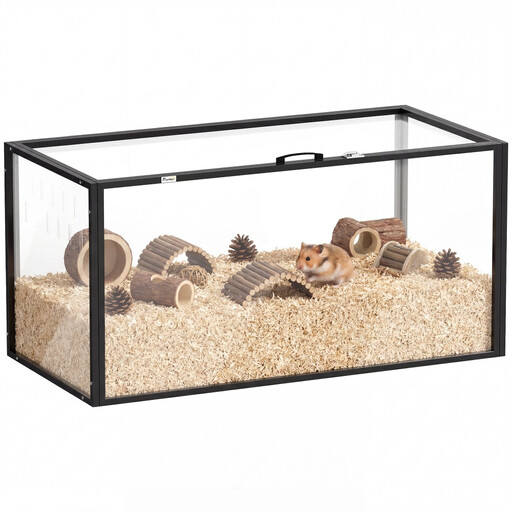
Why it suits this type of buyer: This small animal enclosure measures 105 × 51 × 51 cm. According to the product name, it has a transparent housing, panoramic views and an anti-bite design.
The generous floor space helps stop accessories from taking over the living area. Always check the ventilation and make sure it’s suitable for your species before use.
Measures 105 × 51 × 51 cm, with a transparent housing and an anti-bite design, according to the product listing.
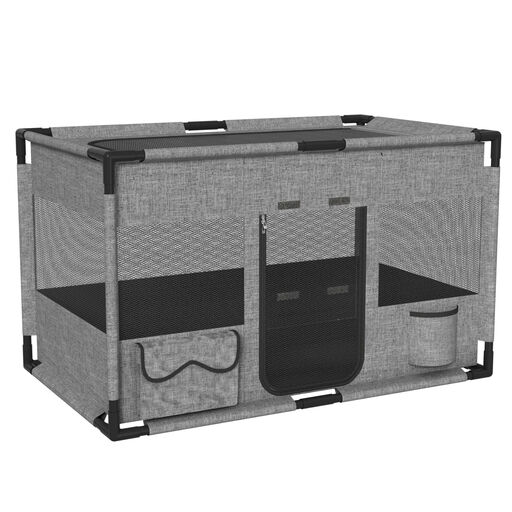
Why it suits this type of buyer: This pet enclosure is made from 600D Oxford fabric and has a PVC tube frame. It comes in sizes 85 × 65 × 65 cm or 100 × 60 × 60 cm, with a lid, side door and storage pockets.
Having two sizes to choose from means you don’t have to judge by the product photo alone. Measure your pet and check that the lid and side door suit how you plan to use it.
600D Oxford fabric, PVC frame, lid, side door and storage pockets, according to the product information.
We’ve put together a complete, up-to-date list of products that meet these strict selection criteria and the applicable European safety regulations.
It depends on the species, the number of animals and the layout. Choose a size that lets your animal move naturally, without accessories taking up most of the space. Always check the recommended living space for the specific animal.
Remove visible dirt each day and change the bedding as often as your animal needs. A pull-out tray makes this easier. Don’t use harsh cleaning products that could leave residue; follow the product’s care instructions and rinse surfaces thoroughly.
A foldable pet playpen can be suitable for temporary use, travel or creating a defined area indoors. For everyday use, pay extra attention to the frame joints, ventilation, fastenings and resistance to scratching or biting. Check the enclosure regularly for wear and loose parts.
