
Vandaag of morgen in huis

Kwaliteit gegarandeerd

Welkomstaanbiedingen ontgrendelen: GRATIS bezorging | Tot 80% korting | Gratis 30 dagen JoyPlus-proefperiode
Download de app
A peach drink might seem simple to choose, but there’s a huge variety to pick from. You’ll find peach iced tea, peach juice, peach soft drinks, peach lemonade and Asian varieties containing ingredients such as fruit pulp, tea or alcohol. If you only look at the picture or words such as “fruity” and “refreshing”, you could end up with a drink that’s too sweet, has a different texture from what you expected or isn’t suitable for the occasion you had in mind.
Check the ingredients list and the juice percentage. Some drinks contain only a small amount of peach juice concentrate and also use flavourings. That’s not necessarily a bad thing, but it does mean you should expect a different taste from a drink with a higher juice content.
For example, a soft drink with peach flavouring is different from a Korean drink such as Bongbong, which also lists 5% peach pulp. The pulp gives it a noticeably different texture. So don’t just look at the front of the packaging: check the ingredients too.
A sugar-free peach drink may contain sweeteners such as sucralose, acesulfame K, steviol glycosides or aspartame. This can mean it’s low in calories, but the taste will be different from a drink containing sugar or fruit juice.
For sugar-free varieties, check the full ingredients list too. For example, Pepsi Peach Zero Sugar lists aspartame among its ingredients. Anyone who needs to avoid phenylalanine should take note of the warning on the label.
A 1.5-litre bottle is handy at home, but less practical for a bag or lunchbox. A can or pouch is easier to take with you, while a multipack may be better value for a party or for stocking up. Also check whether the drink needs to be refrigerated after opening and used within the stated period.
Alcoholic varieties, such as peach soju, also have a different alcohol content from ordinary soft drinks. Jinro Chamisul Peach lists 13% vol. alcohol, while 7DROPS Peach Soju lists 12% vol. Drink alcohol responsibly and always check the label.
Decide what you need the drink for:
This helps you avoid ordering an alcoholic or caffeinated drink when you’re actually looking for an ordinary thirst-quencher.
Bottles and cans can come in different sizes, so compare the values per 100 ml, not just per pack. Check the:
For comparison, Nestlé Peach Clear Oolong lists 18 kcal and 4.1 grams of sugar per 100 ml. The product information describes g’woon Ice Tea Peach as a sugar-free option and lists around 0 kcal per 100 ml. Monster Ultra Peachy Keen lists 0 kcal and 0 grams of sugar per 100 ml, but does contain caffeine.
A larger pack isn’t always better value if you’ll take a long time to finish it. Sizes from 190 to 355 ml are handy for individual use. At home, 1.5-litre bottles or a multipack of peach drinks are often more practical.
For imported products, it’s worth checking the Dutch product information and the label. The country of origin can tell you something about the style of the drink, but not necessarily about its ingredients. Store unopened drinks according to the instructions on the packaging, away from direct sunlight and in a cool, dry place. Many drinks need to be refrigerated after opening.
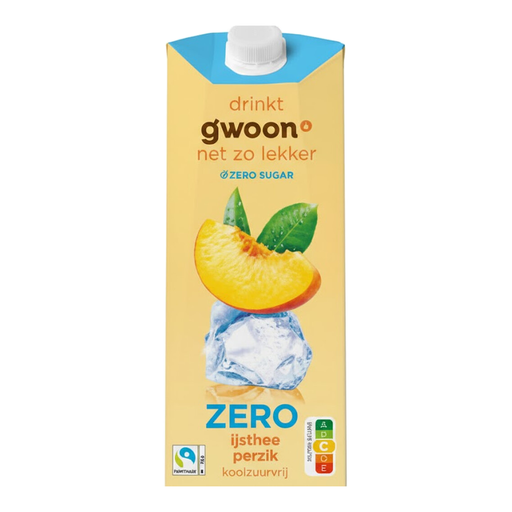
Why it suits this profile: The large bottle is ideal for enjoying at home, and the product information describes it as sugar-free, with around 0 kcal per 100 ml.
The nutritional information and ingredients are clearly listed, making it easy to tell this low-calorie iced tea apart from a standard sweetened variety.
1.5-litre bottle; 0.1 grams of sugar per 100 ml according to the product information; ideal for serving chilled at home.
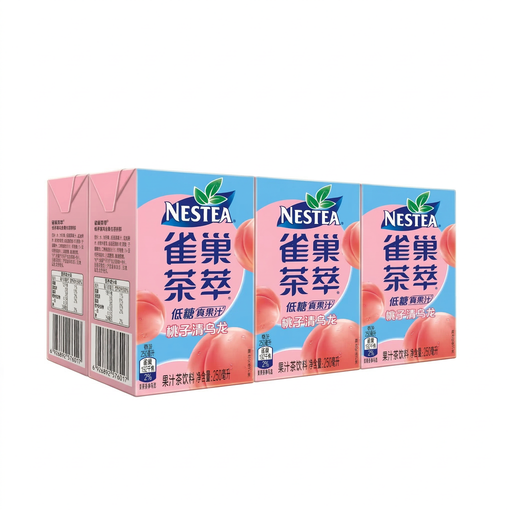
Why it suits this profile: The blend of oolong tea, concentrated apple and peach juice, and handy 250 ml portions is a good choice if you’re after a more refined tea and fruit flavour.
The product information lists a minimum juice content of 5% and the presence of instant oolong tea, so you can choose it for more than just its peach flavour.
6 bottles of 250 ml; 18 kcal per 100 ml; contains concentrated apple and peach juice.
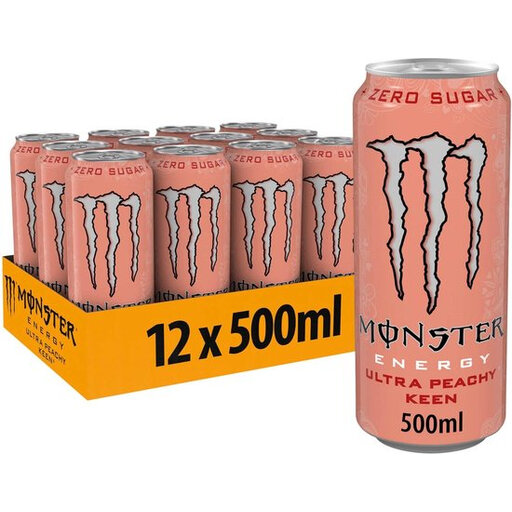
Why it suits this profile: A multipack of 12 cans is handy for stocking up or sharing. The drink is sugar-free, but it does contain caffeine.
The packaging lists 0 grams of sugar and 30 mg of caffeine per 100 ml, so you can take the caffeine content into account before you choose.
12 cans of 500 ml; 0 kcal and 0 grams of sugar according to the product information; contains caffeine, taurine and B vitamins.
We’ve put together a complete, up-to-date list of products that meet these strict selection criteria and current European safety regulations.
Compare the nutritional values per 100 ml. Sugar-free iced tea or an energy drink may contain 0 grams of sugar, but often includes sweeteners. Standard peach iced tea or peach lemonade usually contains sugar or syrup. Always check the current packaging.
No. Energy drinks contain caffeine. Monster Ultra Peachy Keen lists 30 mg of caffeine per 100 ml and carries a warning that it isn’t recommended for children, pregnant women or women who are breastfeeding. Follow the information on the label and drink caffeinated beverages in moderation.
Store opened drinks according to the instructions on the packaging, usually sealed in the fridge. Ideally, finish the contents within the stated period. For drinks containing fruit pulp, such as some Asian peach drinks, the instructions may say to shake before use. Always check the best-before date and the guidance on the label.
