
当日/次日达

品质保障

开启新人专享福利: 全场免邮 | 低至 2 折 | 免费试用 30 天 JoyPlus 会员
下载 Joybuy
The market for personal health products is vast. From a smartwatch that tracks your sleep to a home blood glucose monitor, technology promises us more control over our well-being. But how do you separate the useful tools from the expensive gadgets that end up in a drawer after a few weeks? Many products are sold with marketing claims that fall short in practice.
As a Joybuy Product Recommendation Officer, I see the challenges consumers face every day. Before you invest in new health products, it's wise to be aware of a few common pitfalls:
health smartwatch that needs charging every night cannot effectively track your sleep. Manufacturers often advertise a "standby time" that says nothing about battery life during normal, daily use.blood glucose meter might seem like a good deal until you discover that the required test strips are expensive and hard to find. The same applies to electric toothbrushes with proprietary brush heads.By focusing on the specifications that truly matter, you can avoid disappointment and invest in a product that will actually help you achieve your health goals.
To avoid a bad purchase, it's wise to look past the marketing and focus on a few concrete, verifiable features. These specifications determine whether a product is practical and reliable for long-term use.
The usability of a portable health product lives or dies by its battery. A heart rate monitor watch or sleep tracker is only useful if you can wear it consistently.
For products that measure health data, reliability is crucial. While most consumer products are not medical devices, there are indicators of quality.
A product you use daily or wear on your body must be comfortable and robust.
electric toothbrush or nasal irrigator should have at least an IPX7 rating. This means the device can withstand submersion and can be safely cleaned under the tap. For a smartwatch you plan to wear while swimming, a rating of 5 ATM is recommended.foldable electric wheelchair, the weight and material of the frame (e.g., steel or aluminum) determine its portability and sturdiness.Not everyone has the same needs. Below is a selection of products suited for different requirements, based on their objective specifications.
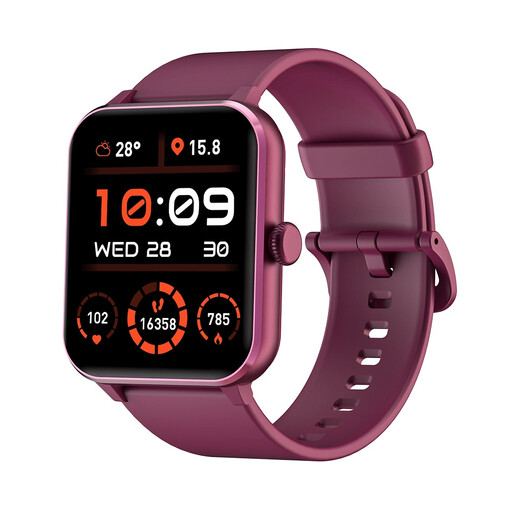
Why This Fits Their Persona: Ideal for those who want to start monitoring their health without paying a premium price. It offers essential features like 24/7 heart rate and sleep monitoring, plus over 100 sport modes.
The stated battery life of 5-7 days with daily use is realistic, preventing the frustration of daily charging—a common issue with cheaper models.
Built-in Bluetooth calling and a large 1.85-inch screen, which aren't standard in this price range. It comes with two types of straps.
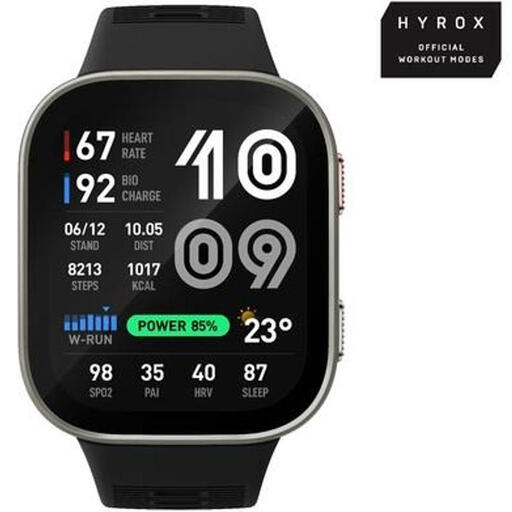
Why This Fits Their Persona: For those who take their training seriously. This watch offers advanced tracking with 5-system GPS, offline maps, and over 150 sport modes, including specialised modes like HYROX.
The "smart" features here are genuinely functional. According to Amazfit, the BioTracker sensor provides advanced data, and the Zepp Coach helps create training plans, going beyond simple step counters.
A battery life of up to 20 days with typical use is exceptional. The large 2.07-inch AMOLED screen ensures data is easy to read, even during workouts.
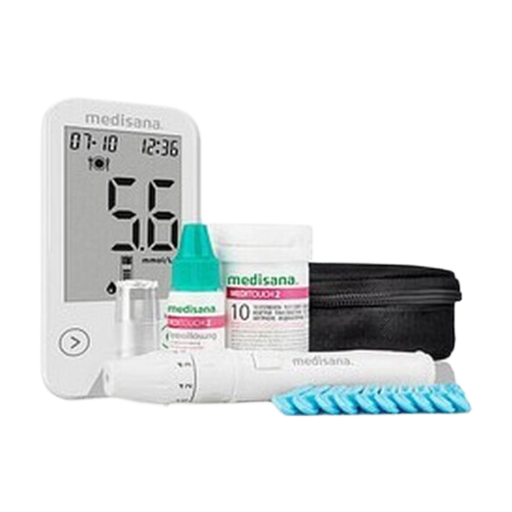
Why This Fits Their Persona: A complete and reliable kit for those starting to monitor their blood glucose or looking for a new device. This set includes everything needed to get started immediately, including the meter, test strips, and lancets.
This is a starter kit, which avoids the pitfall of hidden accessory costs. It is the version that measures in mmol/L, which is crucial for correct use in regions that use this standard.
Complies with the ISO (DIS) 15197 standard for accuracy. Data can be transferred via USB to an app, which helps with long-term tracking of measurements.
Whether you're looking for mobility aids like a foldable electric wheelchair or other health products, there are more choices that meet strict criteria.
How reliable are smartwatch measurements? Smartwatch measurements, such as heart rate or sleep stages, are intended as an indicator of your well-being and not for medical diagnosis. Accuracy depends on the quality of the sensor and how snugly you wear the watch. They are a good tool for identifying trends in your activity and rest but should never replace the advice of a doctor.
What should I look for when buying a blood glucose meter? The most important factor is the unit of measurement. Some regions use mmol/L, while others use mg/dL. Never buy a meter that only measures in a unit not used in your region. Additionally, check if the corresponding test strips and lancets, like the Medisana Lancets, are readily available and affordable. A starter kit is often a cost-effective first step.
What does an IP rating mean for an electric toothbrush or nasal irrigator? The IP rating indicates how well a device is protected against water and dust. A rating of IPX7, as seen on the L?chen Sonic Electric Toothbrush or the Medisana NI 200 Nasal Irrigator, means the device is safe to rinse under the tap and can even be briefly submerged. This is essential for the hygiene and safety of products used in the bathroom.
