
Vandaag of morgen in huis

Kwaliteit gegarandeerd

Welkomstaanbiedingen ontgrendelen: GRATIS bezorging | Tot 80% korting | Gratis 30 dagen JoyPlus-proefperiode
Download de app
The personal care aisle can be overwhelming. Dozens of jars and bottles promise radiant skin or shiny hair, but how do you know what really works for you? Many consumers fall into the same traps: they pay too much for a trendy ingredient that's barely present in the product, or buy a "one-size-fits-all" cream that actually worsens their specific skin problem.
Before you make another purchase you'll later regret, it's helpful to know what to look for. We'll outline the most common missteps and explain how to avoid them.
Attractive packaging or a clever marketing campaign says nothing about a product's effectiveness. The value is in the formula. By checking three key aspects, you can make a much more informed choice.
The ingredient list, often referred to as INCI, is your most important tool. Ingredients are listed in order of concentration: what's at the top is most abundant. Substances with a concentration of less than 1% can be listed in any order.
Brands love to use terms like "dermatologically tested," "hydrating," or "sulfate-free." It's important to know what these claims mean in practice.
The most crucial factor is the match with your personal needs. A product that works wonders for your friend might be completely wrong for you. A rich cream for dry skin will only clog oily skin. Conversely, a light, hydrating gel is often not nourishing enough for dry skin. Be honest about your skin and hair type and choose products specifically developed for them.
To help you get started, we've highlighted a few products that align well with specific profiles and needs. These choices are based on their formulas and intended application.
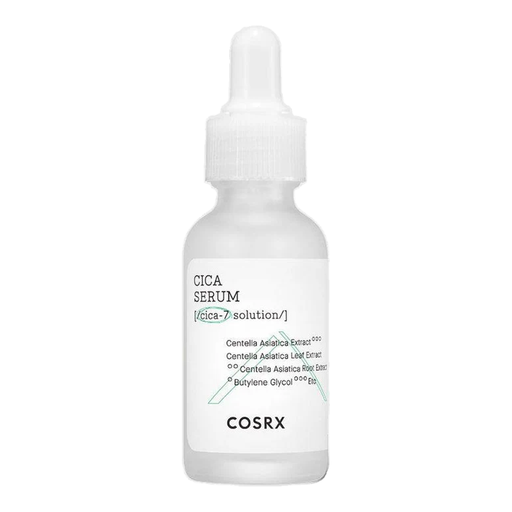
Why This Fits Their Persona: This user has reactive skin and is looking for a product focused on reducing redness and irritation. This K-beauty serum is specifically designed for sensitive skin.
Instead of a vague "soothing" promise, this serum contains a high concentration of CICA-7 Complex, a specific complex based on Centella Asiatica. The formula is focused and free of unnecessary irritants.
Helps strengthen the skin barrier and reduce redness. The lightweight texture is non-sticky yet provides sufficient hydration.
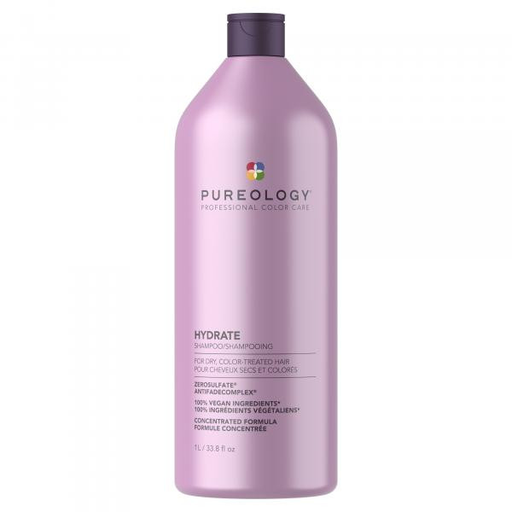
Why This Fits Their Persona: This user is looking for effective hair care that hydrates and protects hair color, without the fuss. The large 1L bottle is practical and long-lasting.
This isn't a generic "color-safe" shampoo. The formula is sulfate-free, a verifiable feature that prevents color from fading quickly. The formula is concentrated, so you need less product.
Provides deep hydration without weighing hair down and helps maintain the vibrancy of color-treated hair. The formula is 100% vegan.
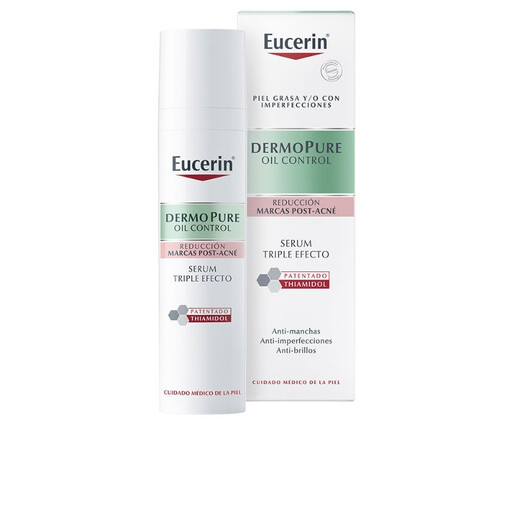
Why This Fits Their Persona: Someone with oily skin or a tendency for blemishes is looking for a targeted solution, often from a reliable dermo-cosmetic brand. This serum is specifically designed for this skin type.
This serum doesn't just promise "less shine." It contains salicylic acid to tackle impurities and, according to Eucerin, patented Thiamidol to reduce post-blemish marks. These are specific, targeted ingredients.
Helps regulate sebum production and reduce the appearance of blemishes, without drying out the skin.
We've compiled a complete, up-to-date list of products that meet these selection criteria and comply with current regulations.
1. How do I know which face serum is right for my skin? First, look at your skin type and your goal. Do you have dry skin? Look for a face serum with hydrating ingredients like hyaluronic acid or glycerin. For oily skin or blemishes, a serum with salicylic acid or niacinamide can be a good choice. For sensitive skin, calming ingredients like Cica (Centella Asiatica) or panthenol are recommended. Always read the ingredient list to see if these active ingredients are high enough on the list.
2. Is a sulfate-free shampoo really better for my hair? A sulfate-free shampoo isn't necessarily "better" for everyone, but it is a milder choice. Sulfates (like SLS and SLES) are very effective cleansers that produce a lot of lather, but they can also strip the natural oils from your scalp and hair. This can lead to dryness, irritation, or faster fading of color-treated hair. If you have dry, damaged, color-treated hair or a sensitive scalp, a sulfate-free shampoo is often a better option.
3. What is the difference between K-beauty and Western skincare?K-beauty (Korean skincare) often emphasizes prevention, hydration, and building a healthy skin barrier. Routines typically consist of multiple, lightweight layers of products. Innovative textures and ingredients like snail mucin or fermented extracts are popular. Western skincare more often focuses on directly treating specific problems (like wrinkles or acne) with powerful active ingredients like retinol or acids. Both approaches have their benefits; the choice depends on your personal preference and skin needs.
