For one smoothie to share with the family, a blender jug is often more practical. A personal blender is a better fit if you want to make individual portions or different combinations. Compare the usable capacity, not just the jug’s total capacity, and check which parts you’ll need to clean after breakfast. The Consumers’ Association points out that power alone doesn’t tell you everything about blending performance; always remove the apricot stone before blending.
Which type of blender is right for you?
For families sharing one batch
If you want to fill several glasses at once at breakfast, compare the jug’s usable capacity with the total amount of smoothie you need. For example, Tefal lists a usable capacity of 1.5 litres for the PerfectMix+ BL871D31.
For families with individual cups
A personal blender may suit you if family members prefer separate portions or different combinations. The Consumers’ Association describes this type as a blender with a smaller blending cup in which you can make a smoothie and drink it straight away or take it with you.
For quick everyday blending
If you use your blender often, it’s worth checking the cleaning instructions for the cup, blades and other parts in advance. These vary by model and component, so follow the manufacturer’s guidance.
What should you look for when choosing?
First decide whether you want to make one batch to share or prefer to use individual cups. Then compare the usable capacity, cleaning requirements and the ingredients the manufacturer says the blender can handle.
| What to consider |
What to look for |
Who is this important for? |
| Making enough in one go |
Add up the portions you need and compare the volume with the usable capacity, not just the jug’s total capacity. |
If I want to pour a drink for everyone at breakfast at the same time, I need to know whether the whole batch will fit in one go. Around 33% of consumers prioritise having enough capacity for one family batch. |
| Individual portions |
Check the capacity and number of cups included with the exact version. |
If I’d rather make separate smoothies or take cups with me, a drinking cup that doubles as a blending cup is handy to compare. Around 27% of consumers prioritise individual portions. |
| Everyday cleaning |
Check which parts are dishwasher-safe and how to clean the blade assembly. |
If I use the blender often, I want to know in advance what cleaning involves. Around 20% of consumers make easy everyday cleaning their main deciding factor. |
| Frozen or tougher ingredients |
Check the manufacturer’s instructions for ingredients and any conditions for using ice or frozen fruit. |
If I want to blend frozen fruit or ice as well as stoned apricots, I’ll first check what the exact model allows. Around 20% of consumers prioritise suitability for tougher ingredients. |
Common mistakes when choosing
-
Confusing total jug capacity with usable capacity
The Tefal PerfectMix+ BL871D31 has a stated total capacity of 2 litres, while Tefal lists its usable capacity as 1.5 litres. This difference matters when working out how much you can make at once for a family batch.
Compare the amount you need with the usable capacity and follow the recipe’s maximum fill level.
-
Expecting a personal drinking cup to make a family-sized batch
A personal blender is designed for individual portions, so you may need extra blending cycles and cups for several family members.
Before comparing models, decide whether you want to make one smoothie to share or several individual portions.
-
Mixing up specifications for different versions
The manufacturer lists the nutribullet Pro NB904CP as having one speed and no pulse option. Don’t assume that features of another version with a similar series name also apply.
Check the full model number, cup capacity and included parts for the version you’re considering.
Brands to compare
Philips
The Philips Blend & Go HR2670/01 is a personal blender that Philips says blends directly into a portable cup.
- Philips lists 350 W, two speeds and dishwasher-safe parts for this model.
- The product information provided doesn’t state a usable capacity for making one shared family batch.
nutribullet
The range includes personal models, such as the Pro 900 NB904CP, and a version with a jug and cups, the SmartSense NBF550DG.
- According to nutribullet, the NB904CP has a 700 ml cup; the SmartSense NBF550DG comes with a large jug and two cups.
- The manufacturer lists the NB904CP as having one speed and no pulse option. Compare the capacity and features of the exact version.
Tefal
The PerfectMix+ BL871D31 is a jug blender worth comparing if you want to make one batch to share.
- Tefal lists a usable capacity of 1.5 litres, a cleaning programme and removable blades.
- The jug’s total capacity is 2 litres; use the stated usable capacity when working out portions.
Ninja
The Consumers’ Association describes the Detect TB301EU as a blender with a large jug and a small blending cup.
- The Consumers’ Association lists a maximum capacity of 2 litres and a power rating of 1200 W for this model.
- These specifications alone don’t tell you what results you’ll get when making an apricot smoothie.
Blenders for family portions and individual cups
This Joybuy selection includes jug blenders for portions to share, personal models with drinking cups and a combination of jug and cup. When choosing an electrical appliance, also check the CE marking on the exact version; the Netherlands Food and Consumer Product Safety Authority states that CE marking is compulsory for electrical products such as kitchen appliances.
 No image available
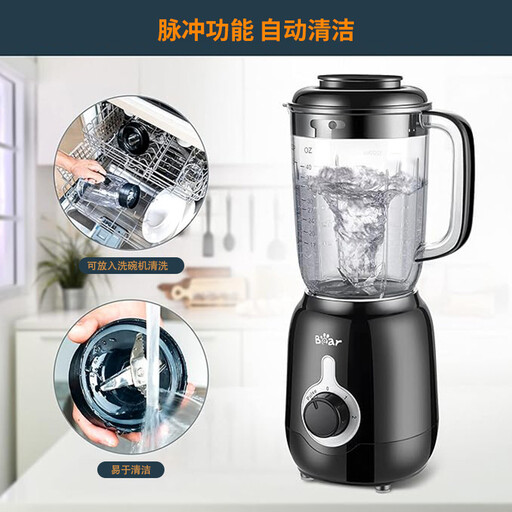
Bear LLJ-B12K1 countertop blender
The 1.2-litre jug capacity is worth comparing if you’re making smoothies for several breakfast portions.
1.2 litres; 500 W; two speeds and pulse function; four stainless steel blades.
The product information also mentions a self-cleaning function.
Joybuy
 No image available
Ninja Detect Blender Pro & Smoothie Maker TB301EU
The combination of a jug and blending cup may suit you if you want to make both shared and individual portions.
The product information lists a 700 ml blending cup; the Consumers’ Association gives this model a maximum jug capacity of 2 litres.
Check the manufacturer’s instructions for the ingredients you want to blend.
Joybuy
 No image available
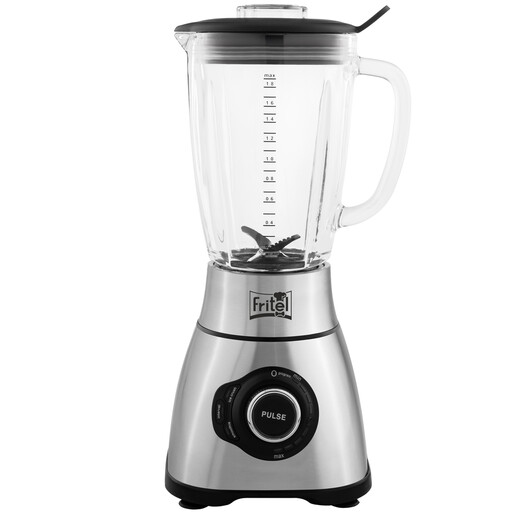
Fritel Blender BL 3890
The 1.8-litre jug capacity is a useful comparison point if you want to make a smoothie for several people.
1.8 litres; 1800 W; nine speeds; glass jug and ice-crushing function.
The product information lists a removable blade assembly and a dishwasher-safe jug and lid.
Joybuy
 No image available
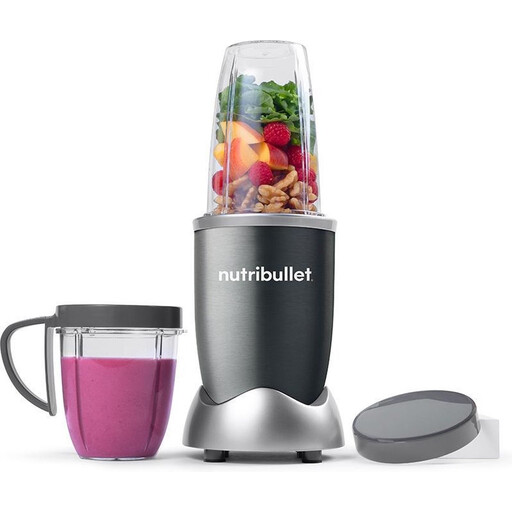
nutribullet Original Blender, grey
This personal model is designed for making individual smoothies in drinking cups.
600 W; the product information lists a 700 ml cup and two drinking cups with stay-fresh lids.
For the exact version, check the product instructions to see which parts are dishwasher-safe.
Joybuy
 No image available
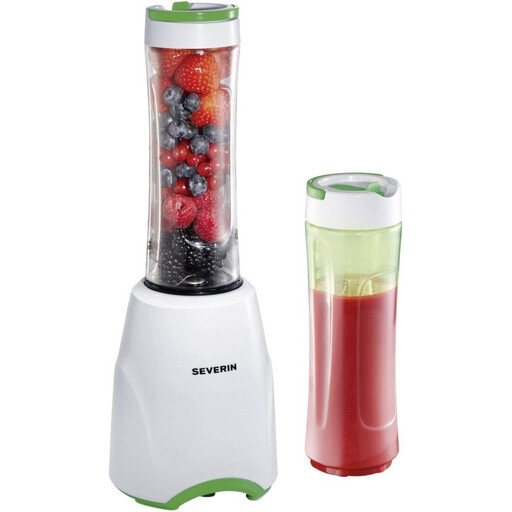
Severin SM 3735 smoothie maker
The two removable drinking cups make this model worth comparing if you want individual portions.
0.60 litres; 300 W; two drinking cups.
The product information states that the cups are dishwasher-safe.
Joybuy
Frequently asked questions
Can I put the apricot stone in the blender?
No, remove the stone before blending the apricot. The Netherlands Nutrition Centre advises against grinding fruit stones in a blender or smoothie.
Should I compare the total jug capacity for a family?
Focus on comparing the usable capacity with the amount you want to make at once. Tefal lists a total jug capacity of 2 litres and a usable capacity of 1.5 litres for the PerfectMix+ BL871D31.
Can the cup and blades go in the dishwasher?
This varies by model and component. For the nutribullet Pro NB904CP, the manufacturer says to rinse the blade with soap and water and place the cup in the top rack of the dishwasher.
How should I store leftover fruit smoothie?
The Netherlands Nutrition Centre recommends keeping an opened fruit smoothie in the fridge for 1–2 days. If your smoothie contains other ingredients, check the relevant storage advice for those too.
Is CE marking compulsory for an electric blender?
Yes. The Netherlands Food and Consumer Product Safety Authority states that CE marking is compulsory for electrical products such as kitchen appliances. Check that the exact version you’re considering bears the required marking.


