
Making lassi for one
You want to make a single portion during your lunch break without using a large blender jug. The cup capacity and how easily you can store the appliance are important when choosing.


For a single peach lassi made with fresh peach and yoghurt, a compact blender with a cup suited to your portion is a sensible place to start. If you also use frozen fruit, check that the manufacturer says the blender is suitable for it. For a quick break, easy-to-clean parts may matter more than extra programmes. Consumentenbond stresses that wattage alone doesn’t tell you everything about a blender.
You want to make a single portion during your lunch break without using a large blender jug. The cup capacity and how easily you can store the appliance are important when choosing.
You’d also like to use frozen fruit, so you’re looking for a model that the manufacturer explicitly says is suitable. Check the instructions as well.
You want to keep washing up to a minimum after blending. Check which parts can be removed and which the manufacturer says are dishwasher-safe.
When choosing a blender for a single peach lassi during a lunch break, the portion size, ingredients, cleaning and whether you’ll take it with you could all make the difference.
| What to consider | What should you look for? | Who is this important for? |
|---|---|---|
| Portion size and storage | Check the usable fill mark, the cup capacity and whether you blend directly in the drinking cup. | If I want to make one portion and store the appliance easily, I’ll focus on the size of the cup. Around 36% of consumers prioritise portion size and storage space. |
| Texture and ingredients | If you want to use frozen fruit, check that the manufacturer says it’s suitable. Wattage alone won’t predict a smooth result. | If I want a creamy lassi and might use frozen fruit, I’ll check whether the blender is suitable for those ingredients. Around 29% of consumers give texture and ingredients top priority. |
| Cleaning | Check for each model which parts can be removed and which are dishwasher-safe. | After a short break, I’d like to tidy up quickly, without any uncertainty about the blade or cup. Around 21% of consumers prioritise easy cleaning. |
| Taking it with you | Check whether the model comes with a drinking lid and how to keep the lassi chilled if you’ll drink it later. | If I want to take my drink with me in the same cup, a suitable lid and refrigeration are important. Around 14% of consumers make portability their top priority. |
The stated power rating doesn’t tell you by itself how smoothly a blender will mix peach and yoghurt. Consumentenbond points out that power doesn’t tell you everything about a blender.
Compare the ingredients the manufacturer says the appliance is suitable for, and look for blending tests if they’re available for that model. Don’t choose solely on the basis of a higher wattage.
A lid doesn’t mean you can keep lassi unrefrigerated. Voedingscentrum advises that an opened fruit smoothie can be kept in the fridge for 1–2 days; this advice isn’t specifically for homemade lassi made with yoghurt.
Keep the lassi chilled if you’ll drink it later, and follow appropriate storage advice for the ingredients you use.
Products in the same range can differ in model number, cup or included accessories. A similar product name alone doesn’t tell you whether you’re looking at the same version.
Before choosing, check the full model number and which cup and accessories are included with that version.
The Blend & Go HR2670/01 is a compact option for preparing a drink in the blending cup and taking it with you.
The VitaPower MMB2111S is a mini blender for anyone considering recipes with frozen fruit too.
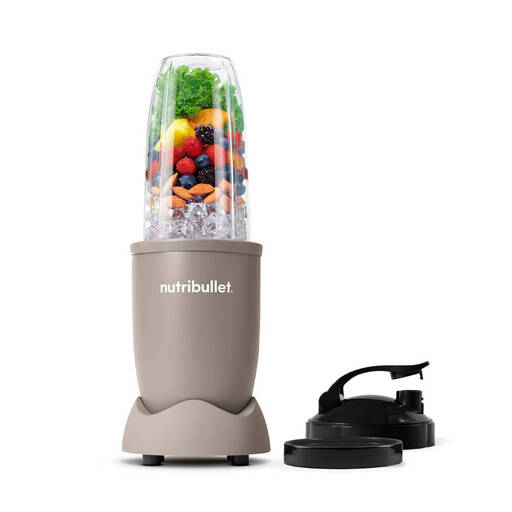
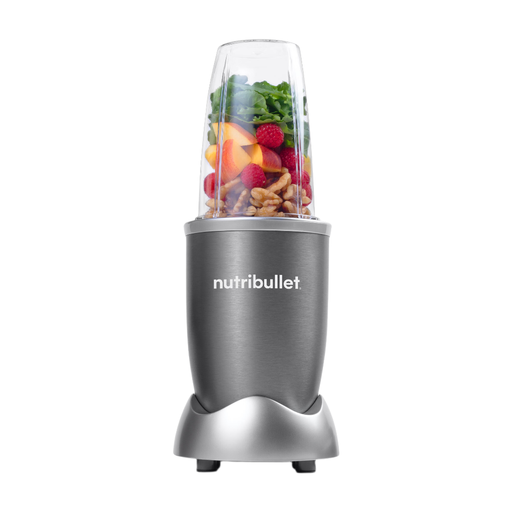
The Original 600 NB603DG is designed for small portions and comes with a 700 ml cup.
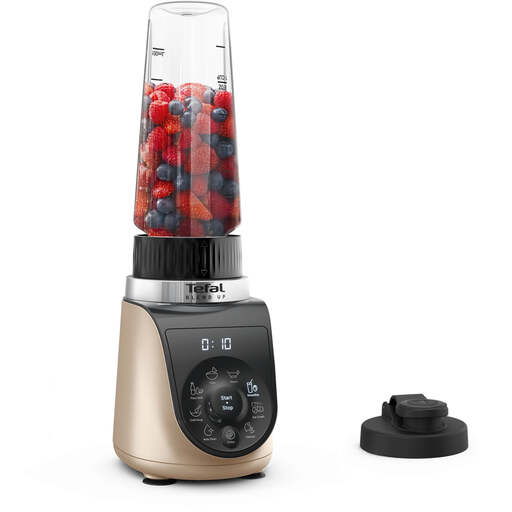
The Blend Up Essential BL1EHB is an option if you want to switch between portion sizes and value cleaning features.
Below are some blender options for smoothies and individual drinks. Check that the cup capacity and included parts for each version suit your portion of peach lassi.
 No image available
The mini blender size may suit anyone looking for a compact option for a drink during a break; adjust the quantity to the fill mark.
Capacity: 0,6 l. Power: 350 W. The product name mentions an ice-crushing function.
 No image available
The stated 500 ml capacity gives you a specific size to compare with the amount of lassi you usually make.
The product name mentions a glass jug and a power rating of 250 W.
 No image available
The product name identifies this as a personal smoothie blender. Before deciding whether it suits your portion, check the cup capacity and parts included with this version.
 No image available
The 700 ml cup capacity can help you decide whether this version is right for your portion or a larger drink.
The product name mentions 900 W, a to-go lid and accessories.
 No image available
The product name mentions a cup and blade. Check whether this set and the cup capacity suit the way you want to make your lassi.
Power: 600 W.
No. Wattage alone doesn’t determine how well a blender mixes peach and yoghurt. Consumentenbond points out that power doesn’t tell you everything and also assesses how well blenders blend. So consider your ingredients, portion size and cleaning preferences.
Wash the peach and remove the stone before blending the flesh with yoghurt. For an opened fruit smoothie, Voedingscentrum advises keeping it in the fridge for 1–2 days; this advice hasn’t been specifically established for homemade lassi made with yoghurt. Keep the lassi chilled and follow appropriate storage advice for the ingredients you use.
No. Follow the instructions for the exact model and part. For the NB603DG, nutribullet says to clean the cup on the top rack of the dishwasher and wash the blade with soap and water. Tefal says the bottles for the BL1EHB are dishwasher-safe.
No, you don’t need extra cover to have a legal guarantee. According to ACM ConsuWijzer, if a product breaks sooner than you could reasonably expect under normal use, the seller must put it right at no cost. An additional manufacturer’s or seller’s guarantee is separate from this.
Parts intended to come into contact with food must comply with food contact material rules, as explained by the Netherlands Food and Consumer Product Safety Authority. The European Commission also describes the Low Voltage Directive, which applies to electrical equipment with an input or output voltage between 50 and 1,000 V. Whether the directive applies to a particular appliance depends on its specifications; these general rules don’t automatically confirm that a specific product complies.