
Colleague in a shared workspace
You want to mix a shake during the working day without disturbing your colleagues unnecessarily. A quiet setting may be worth considering, but check exactly what the noise claim is comparing.


Start with the constraint that matters most in your office: a suitable quiet setting if noise is your main concern, or a rechargeable blender if you can’t use a socket. Then consider the cup and how easy it is to clean. Motor power or the word ‘quiet’ alone won’t tell you how well a blender will mix a vanilla shake in your workplace.
You want to mix a shake during the working day without disturbing your colleagues unnecessarily. A quiet setting may be worth considering, but check exactly what the noise claim is comparing.
You want to mix somewhere without a usable socket and are looking for a rechargeable cup blender you can take with you.
You want to mix and drink from one cup, with as few parts as possible to clean afterwards.
When making one vanilla shake in a shared office, noise, power supply, cleaning or the blending result may be your main reason for choosing a particular model.
| What to consider | What to check before buying | Who is this most important to? |
|---|---|---|
| Noise | Check whether there’s a quiet setting and exactly what the noise claim is comparing. | If I’m blending during the working day, I want to disturb my colleagues as little as possible and know what a quiet setting actually means. Around 33% of consumers say noise is their top priority. |
| Blending without a socket | Check how the appliance is powered and whether you’re allowed to use and charge it in your workplace. | If there’s no usable socket near my workspace, I want to blend without a mains cable and know when the appliance needs charging. Around 25% of consumers prioritise blending without a socket. |
| Cleaning | Check which parts can be removed and which the manufacturer says are dishwasher-safe. | If I use it regularly, I want to clean the cup and other parts I’ve used without too much hassle. Around 25% of consumers say ease of cleaning is their top priority. |
| Blending results and serving size | Compare the cup capacity with your serving size and follow the instructions for the ingredients. Wattage alone doesn’t tell you everything about the results. | If texture and serving size matter most to me, I want to know whether the blender is suitable for my ingredients and portion. Around 17% of consumers prioritise blending results. |
Tefal compares the quiet setting on the Blend Up BL190AF0 with the maximum setting on the same appliance. This doesn’t tell you how the model sounds next to other blenders or in your workspace.
If noise is a deciding factor, look for a measurement taken in the setting you plan to use and under comparable conditions.
A cup with a drinking lid says nothing about how the appliance is powered. A mains-powered blender needs a suitable socket; a rechargeable blender needs charging.
Check separately how the appliance is powered while blending and where you’re allowed to use it.
A sealable cup won’t keep chilled dairy products cold.
Keep the ingredients chilled and clean the parts you’ve used after preparing your shake.
The Blend Up BL190AF0 is a compact blender with a quiet setting and a travel bottle, designed to be used with a socket.
The Portable NBP003NBL is a rechargeable cup blender for anyone who can’t use a socket while blending.
The Blend & Go HR2670/01 is a compact blender with a blending and drinking cup, designed to be used with a socket.
The PowerBlend 3 JB301AI-JB3272SI is an alternative with a larger glass jug and two separate Smoothie2Go bottles.
These products are for anyone looking for a personal blender to mix a shake at the office and take it with them. Check the stated capacity and features for each version.
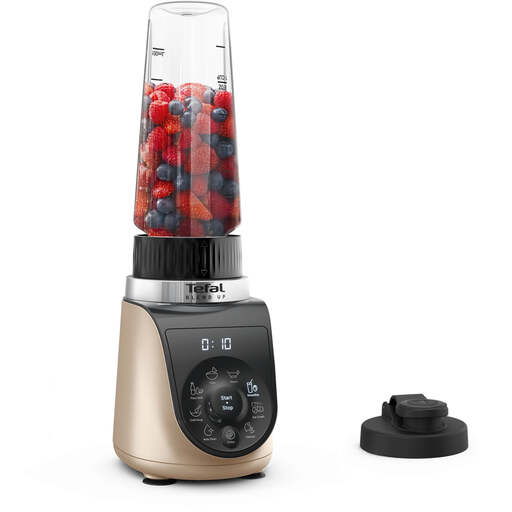 No image available
May suit you if you’re looking for a personal smoothie blender for a shake; check which features and parts are included with this version.
 No image available
May suit you if you want to blend at the office without a mains cable and are looking for a cup blender.
The product name lists a rechargeable battery, USB-C charging, a 475 ml cup and a 20-minute operating time.
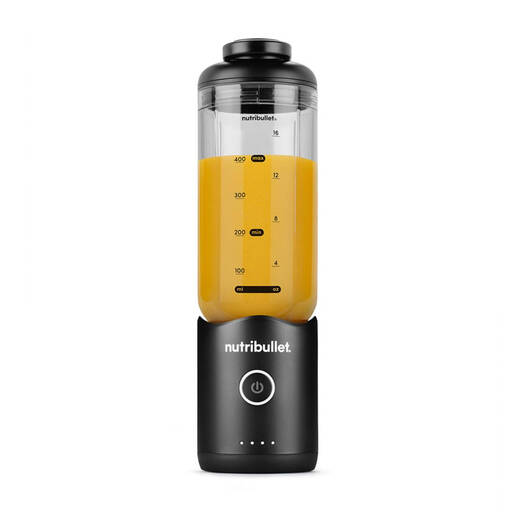 No image available
May suit you if you’re looking for a portable blender to mix a serving and take it with you.
The product name lists a 590 ml capacity, a rechargeable battery, USB-C charging and a foldable design.
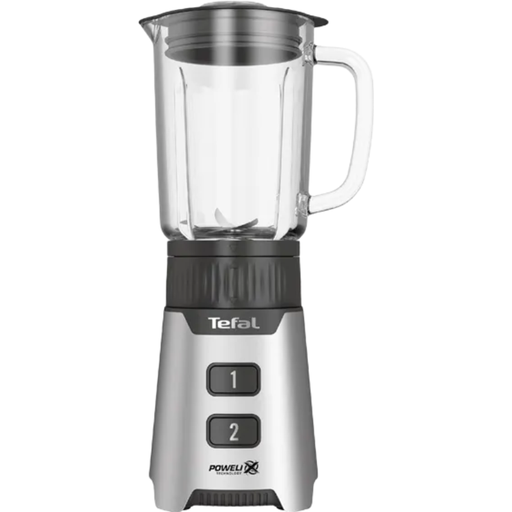 No image available
May suit you if you’re looking for a mini blender for a single-serving shake.
The product name lists 400 W, a 700 ml capacity and a portable design.
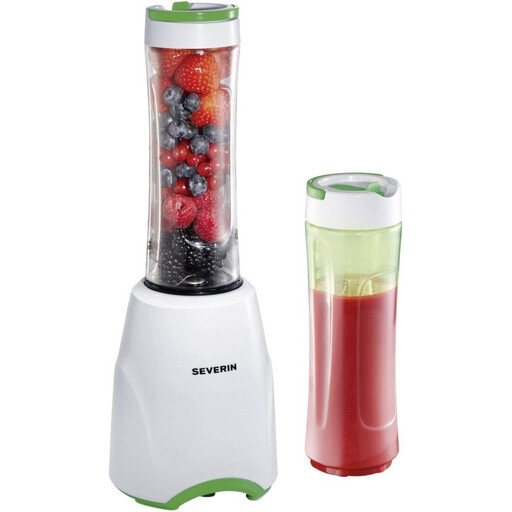 No image available
May suit you if you’re looking for a smoothie maker for a shake; before buying, check that the included parts and cleaning requirements suit the way you’ll use it.
No. The Netherlands Nutrition Centre advises keeping chilled milk products at 4 °C, taking them out of the fridge just before use and putting them straight back afterwards. A portable blender doesn’t replace refrigeration.
According to the Netherlands Food and Consumer Product Safety Authority, electrical products must carry a CE mark. Check the marking and product information for the specific appliance; the general rule doesn’t automatically confirm that a particular listing complies.
No. According to the Government of the Netherlands, the seller must offer a solution if a product is faulty. There is no fixed statutory two-year guarantee period in the Netherlands; what you can expect depends, among other things, on the product and the information provided.
Check the manual for instructions on the cup, lid and blade parts. Philips lists dishwasher-safe parts for the HR2670/01; Tefal says the BL190AF0 has removable blades and a dishwasher-safe travel bottle. These claims don’t automatically apply to the motor base.