Who is a personal blender suitable for?

A small portion of prune purée

If you want to make one portion, a small blending cup is a practical alternative to a large blender jug. The Netherlands Nutrition Centre advises removing the stones from prunes and cutting them into pieces first; the final texture depends on the blender you choose.

Office users who are mindful of noise

If you share the space with colleagues, noise could be an important factor in your decision. Tefal lists a quiet setting for the Blend Up BL190AF0, but this claim compares settings on the same model, not different blenders.

Users without access to a plug socket

If you want to blend somewhere without an available plug socket, a rechargeable blender could be a good fit. Check that the instructions and the rules at your workplace allow you to use it there.

What should you look for when buying?

Compact mains-powered blender

A good fit if: there’s a plug socket and space for the motor base where you’ll be blending.

Bear in mind: you’ll need to be near a plug socket while blending.

Rechargeable blender

A good fit if: you want to blend in an approved spot without a plug socket.

Bear in mind: the battery needs to be charged; nutribullet lists a 475 ml cup and USB-C charging for the Portable NBP003NBL.

Model with a quiet setting

A good fit if: you want to give noise extra consideration in a shared space.

Bear in mind: Tefal’s comparison for the Blend Up BL190AF0 is between that model’s quiet and maximum settings, not against other blenders.

What to consider What should you check? Who is this important to?
Portion size and purée Check the capacity, maximum fill line and instructions for fruit; remove the stones from the prunes beforehand. If I’m making one portion, I don’t want to use an unnecessarily large jug, and I want to know how to get the purée I’m after. Around 31% of consumers prioritise portion size and purée consistency.
Noise Check whether the exact model has a quiet setting and whether there are comparable independent noise measurements. In a shared space, I want to take noise into account without assuming that a quiet setting means my colleagues won’t hear it. Around 25% of consumers prioritise noise above all else.
Cleaning Check which parts can be removed and are dishwasher-safe for each model. After making the purée, I want to be able to clean the cup and blades properly before leaving the shared workspace. Around 25% of consumers prioritise easy cleaning.
Power at your workplace Find out where you’re allowed to blend, whether there’s a plug socket there, and what charging or cable setup the model uses. If there’s no plug socket where I’ll be blending, I want to know whether I can charge the blender beforehand. Around 19% of consumers prioritise blending without a plug socket.

Things to consider and potential pitfalls

  • Assuming a quiet setting means silent operation

    Tefal’s claim for the Blend Up compares its quiet setting with the maximum setting on the same model. It doesn’t tell you how much noise your colleagues will hear in your workplace.

    If noise is a deciding factor, look for comparable independent noise test results and take your office rules into account.

  • Assuming all parts are dishwasher-safe

    Cleaning advice for removable parts doesn’t automatically apply to the whole blender or the motor base.

    Check the instructions for the exact model, including those for the cup, lid, blades and motor base.

  • Confusing an extended warranty with your statutory rights

    An additional warranty doesn’t replace your statutory rights. The Dutch government states that there’s no fixed statutory warranty period in the Netherlands.

    Check what an additional warranty covers before taking one out. If a product is faulty, the retailer is your point of contact.

Brands to consider

Philips

The HR2510/90 mini blender is a compact option for mains-powered use.

  • Philips lists easy-to-clean, dishwasher-safe parts.
  • This information doesn’t tell you how smoothly this model makes prune purée specifically.

nutribullet

The Portable NBP003NBL is a rechargeable personal blender for use without a plug socket where you’ll be blending.

  • According to nutribullet, this model has a 475 ml cup and a USB-C charging cable.
  • The manufacturer states that it can blend around 15 times per charge; this doesn’t establish how long it will run when making prune purée.

Tefal

Tefal offers a range of compact models designed to be used with a travel cup.

  • For the Blend Up BL190AF0, Tefal lists a quiet setting, removable blades and a 700 ml bottle.
  • The ‘up to 2 x quieter’ claim compares the quiet setting with the maximum setting on the same model, not with other blenders. The features of the On the Go BL1A0D38 don’t automatically apply to the Blend Up.

Bosch

The VitaPower Serie 2 MMB2111T is a mains-powered mini blender with a to-go bottle.

  • Bosch specifies 450 W and a 0.6-litre cup for this model, and lists dishwasher-safe parts.
  • These specifications don’t amount to a comparative noise test or a test of how it makes prune purée.

Personal blenders at Joybuy

This selection includes compact blenders for small portions, with both mains-powered and rechargeable options. Check for each model whether the capacity, charging method and cleaning instructions suit your office setup.

Philips 3000 Series Mini Blender HR2510/90

Philips 3000 Series Mini Blender HR2510/90

A compact mains-powered blender to consider if you have a plug socket at the office.

The product name specifies a capacity of 0.6 litres and a power output of 350 W. Philips lists dishwasher-safe parts for the HR2510/90.

View at Joybuy
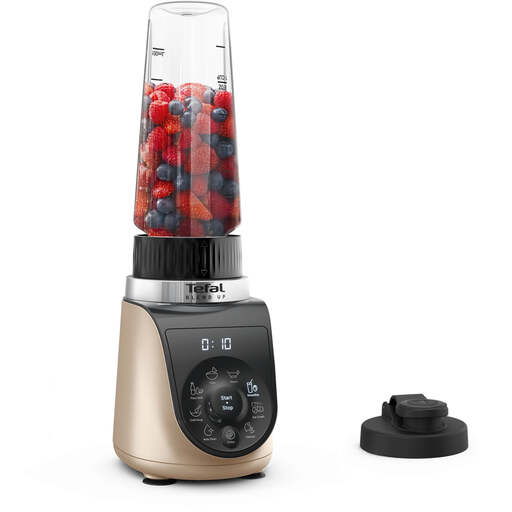
Tefal BL190A Blend Up personal smoothie blender

Tefal BL190A Blend Up

A personal smoothie blender to consider if you’re looking for a compact model. Check which parts are included and read the instructions for your intended use.

View at Joybuy
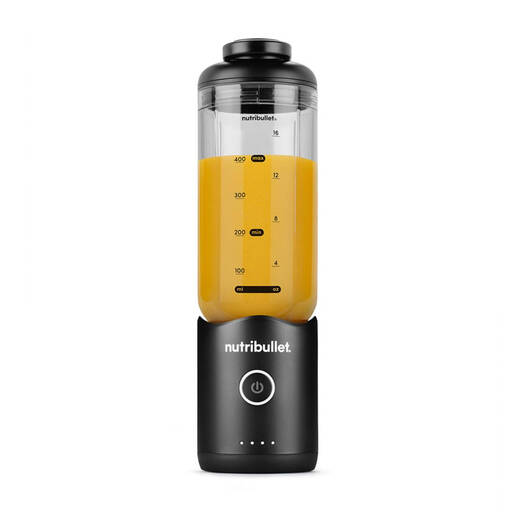
Nutribullet Flex Portable Blender, 590 ml, black

Nutribullet Flex Portable Blender, 590 ml

A rechargeable portable blender to consider if you want to blend without a plug socket.

The product name specifies a capacity of 590 ml and USB-C charging. The product information warns against blending hot liquids.

View at Joybuy
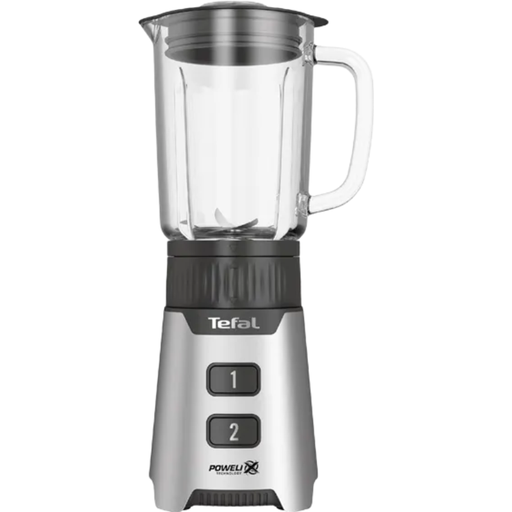
Tefal BL16GE30 mini blender

Tefal BL16GE30 mini blender

A portable mini blender to consider if you’re looking for a compact option with a travel bottle.

The product name specifies 400 W and a capacity of 700 ml.

View at Joybuy
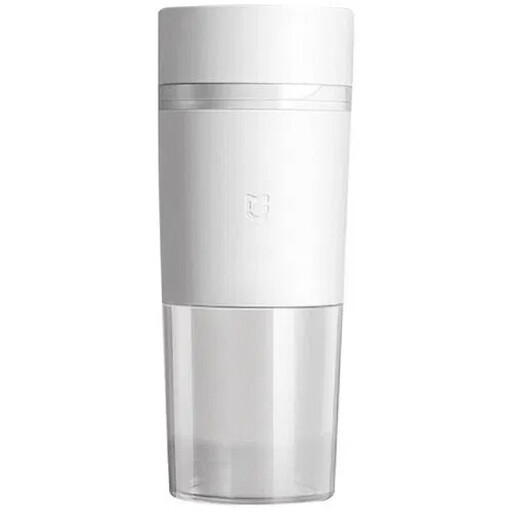
Xiaomi Portable Blender EU

Xiaomi Portable Blender EU

This portable blender is worth considering if portability matters to you. Check whether its capacity and charging method suit your portion size and office setup.

The product information warns against blending hot liquids.

View at Joybuy

Frequently asked questions

Can I blend the prune stone?

No, remove the stones from the prunes before making the purée. The Netherlands Nutrition Centre advises removing the stone and cutting the prune into pieces; also follow the ingredient instructions for your blender.

How do I clean the blender after using it at the office?

Remove the jug from the base and wipe the casing with a damp cloth. Check the instruction manual to see which removable parts are dishwasher-safe, and dry them thoroughly before putting them away.

Can I make fruit purée in advance and keep it at the office?

If it’s prepared like a fruit smoothie, the Netherlands Nutrition Centre says an opened fruit smoothie can be kept in the fridge for 1–2 days. This advice doesn’t automatically apply to purée with other ingredients; check suitable storage advice and use a fridge if you want to keep it.

Am I automatically entitled to only two years’ statutory warranty in the Netherlands?

No. According to the Dutch government, there’s no fixed period for statutory warranty in the Netherlands: you’re entitled to a product that meets reasonable expectations. If a product is faulty, the retailer is your point of contact; a manufacturer’s or additional warranty doesn’t replace this right.

What safety rules apply to an electric blender in the Netherlands?

The Netherlands Food and Consumer Product Safety Authority classifies kitchen equipment as electrical equipment. Materials covered by the Low Voltage Directive, including equipment within the specified AC voltage range of 50–1000 V, must meet the relevant safety requirements and CE rules. Other specific rules or the General Product Safety Regulation may apply to materials outside the scope of that directive; this doesn’t establish whether an individual blender complies.
