
Smoothie maker with limited cupboard space
You usually make one portion and want a base and cup that are easy to store. Compare the dimensions of the whole appliance and the cup capacity.


For making one smoothie in a small kitchen, a compact personal blender with a cup that suits your portion size is a sensible starting point. A travel lid is especially useful if you drink your smoothie on the go. If you’re using frozen cherries, check the manual for the exact model: wattage alone doesn’t prove that the blender is suitable. Always remove the stones from cherries, and check the product safety information for the specific item on offer before you buy.
You usually make one portion and want a base and cup that are easy to store. Compare the dimensions of the whole appliance and the cup capacity.
You want to make a chilled smoothie, so you’ll need to check whether the manual for the exact model allows you to blend frozen fruit.
You want to blend in a cup that you can take with you using a suitable lid. The Consumentenbond lists a blender with a smoothie cup as an option for anyone who wants to take their smoothie with them straight away.
| What to consider | What should you check? | Who is this important for? |
|---|---|---|
| Space and portion size | Compare the dimensions of the appliance, the parts supplied and the usable capacity of the cup for the exact model. | If I have limited cupboard space, I want to know whether the base and cup will fit, and whether the capacity is enough for my portion. For around 33% of consumers, saving space is a top priority. |
| Frozen cherries | Check the manual to see whether the model can handle frozen fruit, and what quantity, method and any liquid are recommended. | If I use frozen cherries, I want to know whether the instructions allow this for the model; the Consumentenbond notes that not every blender can process frozen fruit. For around 27% of consumers, this is their top buying priority. |
| Travel cup | Check whether the model comes with a suitable drinking lid and whether the cup is the right size for your portion. | If I’m heading out after blending, I want to take my smoothie in the same cup without needing a separate jug. For around 20% of consumers, taking their smoothie with them is their main priority. |
| Cleaning | Check each part to see whether it’s dishwasher-safe, whether the blade is removable and how to clean the motor base. | If I use the blender often, I want to know in advance which separate parts are easy to clean and how to look after the base. For around 20% of consumers, ease of cleaning matters most. |
The Netherlands Nutrition Centre warns against grinding fruit stones, including cherry stones, into a smoothie.
Remove the stones from cherries before putting them in the blender, even if you’re using frozen fruit.
A higher stated power rating isn’t a test result for your recipe. What’s more, not every blender can process frozen fruit.
Check the instructions for frozen fruit for the exact model, and follow the recommended quantity and method.
Dishwasher instructions can vary from part to part. The Consumentenbond recommends checking the manual and wiping the casing with a damp cloth.
Check the instructions for the cup, blade and seal separately; don’t clean the motor base as if it were a removable part.
According to Philips, the Blend & Go HR2670/01 is designed for anyone looking for a compact base and a cup with a lid.
According to the Dutch manufacturer’s website, the Original NB603DG is designed for small portions and uses a push-and-twist operation.
According to Tefal, the Blend Up BL19H4F0 is designed for preparing a range of recipes and comes with bottles in two sizes.
The Consumentenbond describes the KB678 as a smoothie blender with a travel cup and an additional grinding and chopping attachment.
This product selection focuses on personal blenders for making smoothies in a small kitchen, with a range of cup sizes and uses. Always remove the stones from cherries; for frozen cherries, check the manual for the exact model. The NVWA states that electric personal blenders sold on the Dutch market must carry CE marking, and that parts which come into contact with the smoothie must comply with the rules for food contact materials. Check this information for the specific item on offer.
 Image unavailable
A compact blender option for anyone looking to make a smoothie and wanting a 0,6 L capacity.
The product name lists 0,6 L, 350 W and an ice-crushing function; this alone doesn’t confirm that the model can handle frozen cherries.
 Image unavailable
An option for anyone looking for a blender with a 500 ml jug for a smoothie portion.
The product name lists 250 W and a 500 ml glass jug.
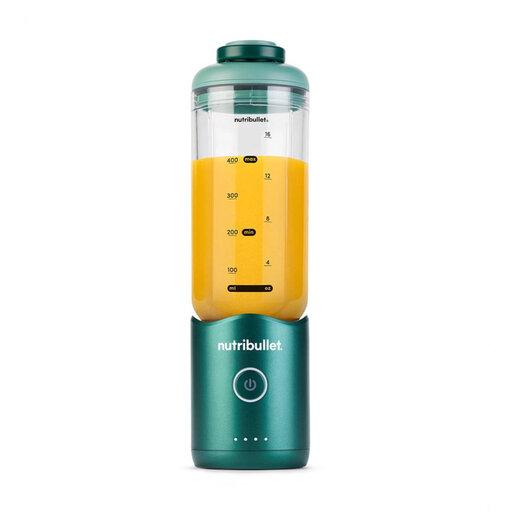 Image unavailable
A portable blender option for anyone who wants to make a smoothie portion and take the cup with them.
The product name lists a 590 ml capacity, a rechargeable battery and USB-C charging.
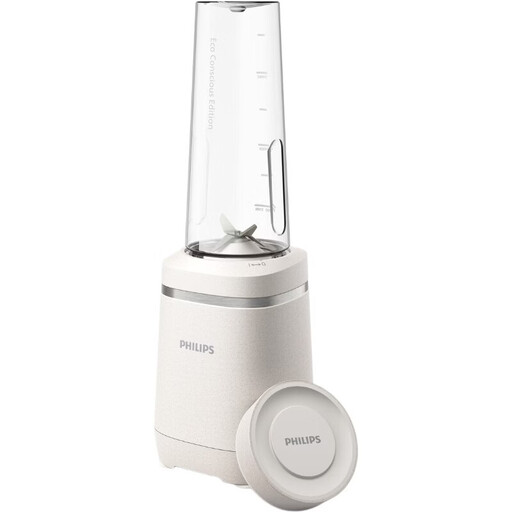 Image unavailable
A compact smoothie blender option for anyone looking for a 0,6 L cup capacity.
The product name lists 0,6 L and 350 W.
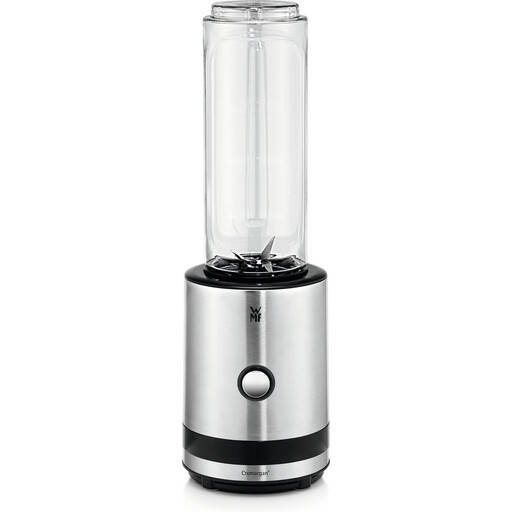 Image unavailable
A smoothie-to-go option for anyone looking for a blender with a 0,6 L capacity.
The product name lists a 0,6 L capacity.
Yes, remove the stones from cherries before blending them. The Netherlands Nutrition Centre warns that grinding fruit stones, including cherry stones, into a smoothie can be dangerous.
No. According to the Consumentenbond, not every blender can process frozen fruit. Check the instructions for the exact model and follow the guidance on quantity and method; wattage alone doesn’t give you the answer.
Remove the cup from the base and follow the manual for the cup, blade and seal. The Consumentenbond notes that removable parts are often, but not always, dishwasher-safe; wipe the casing with a damp cloth.
Yes. According to the Netherlands Food and Consumer Product Safety Authority, electric personal blenders sold on the Dutch market must carry CE marking. Check the information for the specific item on offer.
According to the Netherlands Food and Consumer Product Safety Authority, articles intended to come into contact with food in the Netherlands must comply with the applicable rules for food contact materials. A material name alone doesn’t prove that a specific part meets those rules.