For a single smoothie made with fresh, stoned apricots in a holiday cottage, a compact mains-powered blender is a sensible place to start if there’s a socket and the jug is large enough. Choose a travel cup if you want to take your drink with you, and opt for a rechargeable model only if you also want to blend somewhere without a socket. For frozen fruit, always check the instructions for the exact model.
Who is this buying guide for?
Holidaymaker with a small kitchen
If you usually make just one smoothie in your holiday cottage, focus on how much space the blender takes up and how many parts you’ll need to clean afterwards. The Consumentenbond describes smoothie blenders as appliances with a small blending cup; Bosch says the MMB2111S has dishwasher-safe parts.
User of frozen apricots
If you want to use fruit straight from the freezer, check what the instructions for the exact model allow. The Consumentenbond notes that not every blender can process frozen fruit or ice.
Smoothie drinker who wants to take their drink along
A lidded cup can be handy for taking a prepared smoothie with you. If you also want to blend somewhere without a socket, you’ll need a rechargeable blender; a travel cup alone doesn’t make a blender cordless.
What should you consider when choosing?
Compact mains-powered blender
Choose this if: there’s a socket in your cottage and you usually make one smoothie at a time.
Trade-off: you can’t use it to blend where there’s no socket; a small cup is less practical for several large portions.
Blender with extra programmes and bottles
Choose this if: different bottle sizes or extra controls suit what you want to prepare. Tefal lists 700 ml and 400 ml bottles for the Blend Up Essential BL1EHB.
Trade-off: extra parts and functions may be more than you need for one simple smoothie; check how many parts you’ll have to clean after use.
Rechargeable personal blender
Choose this if: you want to blend without a socket nearby and can charge the blender beforehand. nutribullet lists a 475 ml cup and USB-C charging for the Portable NBP003NBL.
Trade-off: you’ll need to charge it, and a smaller cup may mean making several portions in batches.
When making a smoothie in a holiday cottage, the key things to check depend on your ingredients, the space available and where you want to blend.
| What to consider |
What to look for |
Who it matters to |
| Size and cleaning |
Check the dimensions, cup capacity, and which parts can be removed and are dishwasher-safe. |
If I have little worktop space and don’t want to wash lots of parts after making one smoothie, I focus on compact size and ease of cleaning. Around 36% of consumers give these points top priority. |
| Frozen ingredients |
Check the instructions for the exact model to see whether frozen fruit is allowed and what restrictions apply to ice. |
If you want to use apricots from the freezer, clear model-specific instructions on frozen ingredients are useful. Around 29% of consumers prioritise this suitability. |
| Taking a smoothie with you |
Check whether the package includes a sealable drinking lid and whether the cup size suits your portion. |
If I want to take my smoothie with me after blending, I want to know whether I can drink it straight from a lidded cup. For around 21% of consumers, portability is the main priority when choosing. |
| Blending without a socket |
Check whether the blender is rechargeable, how to charge it and which ingredients are allowed. |
If there’s no socket where you want to use it, you’ll need to be able to charge it and blend there without a cable. Around 14% of consumers say cordless blending is their top priority. |
Common buying mistakes
-
Confusing a travel cup with cordless blending
A lidded cup makes it easier to take a prepared smoothie with you, but it doesn’t make a mains-powered blender suitable for use without a socket.
First decide where you want to blend. Then check the power supply separately and make sure the chosen package includes a suitable cup.
-
Relying on wattage alone when blending frozen fruit
A power rating on its own doesn’t tell you whether a blender can process frozen apricots or ice. The Consumentenbond points out that not every blender is suitable for this.
Check the instructions for the full model number and follow the stated limits for ingredients and quantities.
-
Blending an apricot stone by mistake
The Voedingscentrum warns that substances in apricot stones can form cyanide.
Wash the apricot, remove the stone and blend only the flesh. Don’t eat or grind the stone.
-
Thinking you need an extended warranty to protect your legal rights
According to the Dutch government, there is no fixed statutory warranty period in the Netherlands. Any additional manufacturer’s warranty is separate from the rights you have against the seller if a product is faulty.
Check exactly what a paid add-on covers, and keep your purchase information in case you need to contact the seller about a fault.
Brands to consider
Bosch
The VitaPower Serie 2 MMB2111S is a compact mains-powered blender with a 0.6 l to-go cup.
- Bosch lists a power rating of 450 W, a 0.6 l cup and dishwasher-safe parts for the MMB2111S.
- It needs a socket. For frozen ingredients, follow the instructions for this exact model; product examples don’t prove it will work for every apricot recipe.
Tefal
The Blend Up Essential BL1EHB combines two bottle sizes with extra control options.
- Tefal lists 800 W, six programmes, 700 ml and 400 ml bottles, removable blades and dishwasher-safe bottles.
- Consider whether the extra bottles and programmes will be useful for you, and how many parts you want to clean.
nutribullet
The Original 600 NB603DG is mains-powered, while the Portable NBP003NBL is rechargeable.
- nutribullet lists 600 W and a 700 ml cup for the Original. For the Portable, the manufacturer specifies USB-C charging and a 475 ml cup.
- These are different models with different power supplies and cup capacities. For the Portable’s ice function, the manufacturer specifies small quantities only.
Philips
The 3000 Series HR2620/40 is a blender with a tumbler for taking your smoothie with you.
- Philips lists a 350 W motor for this model.
- For frozen ingredients or ice, check the instructions for this exact model.
Products for making smoothies in a holiday cottage
This selection includes compact smoothie blenders, models with a travel cup and a rechargeable option. For each model, check that the cup, power supply and permitted ingredients suit your needs.
 No image available
Philips 3000 Series Mini Blender HR2510/90
A compact option for a smoothie made with soft, fresh fruit; the product description specifies speed 1 for soft fruit.
The stated capacity is 0.6 l and the power rating is 350 W.
The product description lists removable, dishwasher-safe parts. Check the instructions for the exact model before using frozen ingredients.
View at Joybuy
 No image available
Aigostar Marden BL-250
Worth considering if you want to make a smoothie and take it with you in a cup with a drinking lid.
The product information lists 250 W, a 500 ml glass jug and an interchangeable drinking lid.
The product description says the removable parts are dishwasher-safe.
View at Joybuy
 No image available
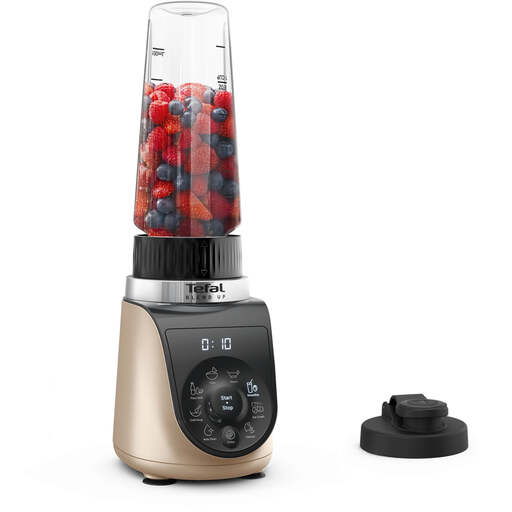
Tefal BL190A Blend Up
A personal smoothie blender to consider if you want a choice of preparation options.
The product description lists six programmes and Powelix blades.
The description says it can process frozen fruit; check the instructions for this exact model to see which ingredients and quantities are allowed.
View at Joybuy
 No image available
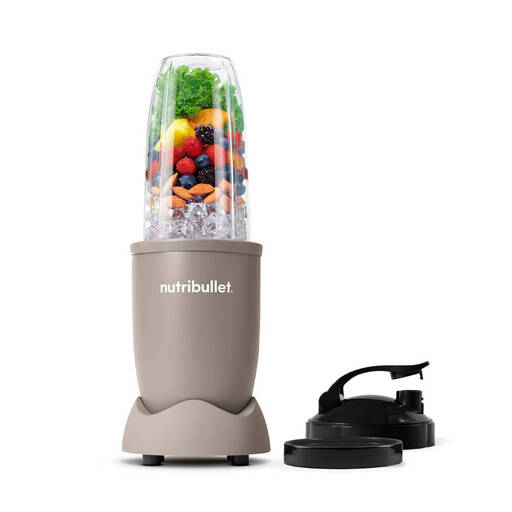
nutribullet Exclusive Blender, Mocha Brown, 700 ml
An option if you want to make a smoothie in a cup with a to-go lid and take it with you.
The product information lists a capacity of 700 ml, a power rating of 900 W and a pulse function.
The description says it can process frozen fruit and ice cubes; check the model instructions for any restrictions.
View at Joybuy
 No image available
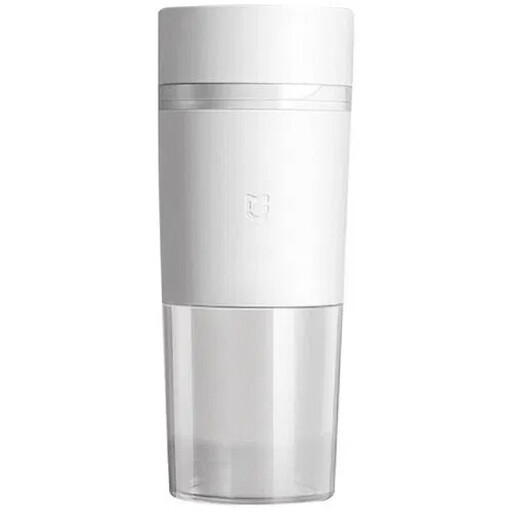
Xiaomi Portable Blender EU
A rechargeable option if you don’t want to rely on a socket where you’re using it.
The product information lists a cup capacity of 400 ml and USB-C charging.
Check the model instructions to see which ingredients and quantities are allowed.
View at Joybuy
Frequently asked questions
Can I blend an apricot with its stone?
No. Remove the stone before blending the apricot, and don’t eat or grind it. The Voedingscentrum warns that substances in apricot stones can form cyanide.
Can every personal blender process frozen apricots or ice?
No. Check the instructions for the exact model. The Consumentenbond notes that not every blender can process frozen fruit or ice; a general description such as ‘smoothie blender’ isn’t enough to tell you.
How should I handle fruit and leftover smoothie in a holiday cottage?
Wash fresh apricots under running water before use. The Voedingscentrum advises keeping an opened fruit smoothie in the fridge for 1–2 days; also check the storage advice for any other ingredients you’ve added.
Am I automatically entitled to just two years’ statutory warranty in the Netherlands?
No. According to the Dutch government, there is no fixed statutory warranty period in the Netherlands. You can expect a product to do what you could reasonably expect of it; if it’s faulty, contact the seller. Any manufacturer’s warranty is in addition to those rights.
What voltage rules apply to a mains-powered blender?
The Netherlands Food and Consumer Product Safety Authority describes the Low Voltage Directive as applying to electrical equipment with a rated AC voltage of 50–1,000 V or a rated DC voltage of 75–1,500 V. Don’t automatically apply these voltage rules to the battery of a portable blender.


