
Vandaag of morgen in huis

Kwaliteit gegarandeerd

Welkomstaanbiedingen ontgrendelen: GRATIS bezorging | Tot 80% korting | Gratis 30 dagen JoyPlus-proefperiode
Download de app
A peptide serum may be worth considering if your skin feels dry, looks dull or shows visible fine lines and loss of firmness. However, choosing between an anti-ageing serum, collagen serum and hydrating face serum can be difficult. Packaging often uses terms such as “lifting”, “glow” and “collagen boost”, while the practical differences mainly come down to the ingredients list, texture and directions for use.
The most important question is therefore not which serum makes the biggest promises, but which formula suits your skin goal and routine.
With niacinamide, tranexamic acid or α-arbutin, a percentage is often displayed prominently on the packaging. With peptides, things are less straightforward: different peptide complexes have different functions and are not always listed as one overall percentage. So do not compare figures alone. Also look at:
A collagen serum may contain hydrolysed collagen, soluble collagen or vegan collagen. According to the brand’s product description, this may relate to caring for suppleness, hydration or a plumper-looking complexion. That is different from a medical effect or a proven structural change to the skin.
So treat “collagen” as ingredient information, not an automatic prediction of results. A serum with peptides and a good moisturising base may make more sense for your routine than a formula that relies mainly on one attention-grabbing ingredient.
A brightening serum containing niacinamide, tranexamic acid or α-arbutin is designed to promote a more even-looking complexion. According to product descriptions from brands including Anua, Medicube and, these formulas target the appearance of dark spots and uneven skin tone. During the day, sunscreen remains important. Without daily protection, discolouration may become more noticeable again.
A serum for fine lines does not necessarily have the same composition as a serum for pigmentation.
A lightweight, fast-absorbing texture is usually comfortable to use under a moisturiser and sunscreen. A milky or richer formula may be more suitable for dry or mature skin. Also consider the dispenser: a pump bottle limits contact with air and fingers, while a pipette may allow more precise dosing but needs to be used hygienically.
Also always check the volume in millilitres. A 15 or 20 ml bottle may work out more expensive per use than a 50, 100 or 150 ml pack. Store the product according to the label and follow the stated period after opening.
Do not start with several strong serums at the same time. Begin by using one product for a few weeks, following the label instructions. For example, combine a peptide serum with a simple moisturiser. Only add a brightening serum or retinol product later, once your skin is tolerating the routine well.
If irritation, redness or a burning sensation occurs, stop using the product. Products for the eye area, such as a serum containing retinol, require extra care: avoid contact with the eyes and follow the safety information on the packaging.
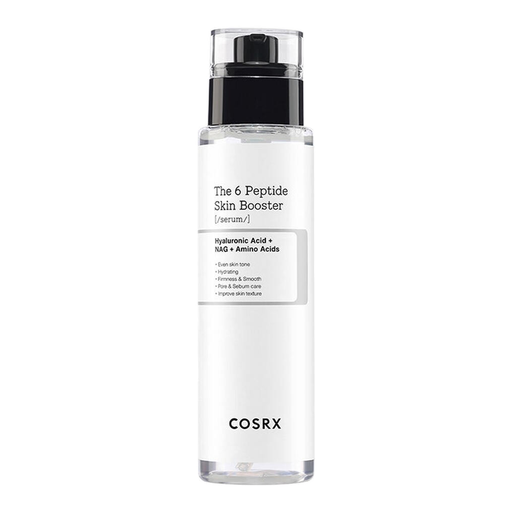
Why it suits this profile: The generous volume and lightweight formula make this a practical introduction to Korean skincare for the face and everyday hydration.
The ingredients list specifies six types of peptides, glycerine and sodium hyaluronate, allowing you to look beyond marketing terms alone.
150 ml, six named peptides, niacinamide and a formula suitable for all skin types.
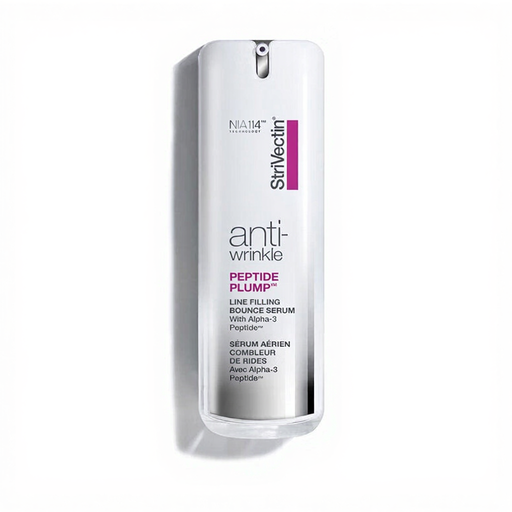
Why it suits this profile: The dispenser and lightweight texture work well for an established morning and evening routine for all skin types, including sensitive skin according to the product information.
The product information names specific ingredients, including pentapeptide-84, hydrolysed hyaluronic acid and sodium hyaluronate. The formula also contains fragrance.
30 ml, dispenser, suitable for daytime and evening use, with peptides and several hydrating ingredients.
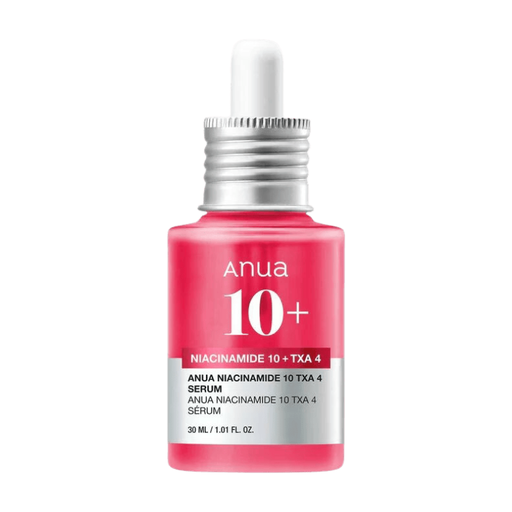
Why it suits this profile: Ideal for anyone who mainly wants to target pigmentation, an uneven complexion and hydration with one focused serum.
The percentages of niacinamide and tranexamic acid are clearly stated. However, check whether a higher concentration suits your skin and carry out a patch test beforehand.
30 ml, fragrance-free according to the product details, with niacinamide 10%, TXA 4%, arbutin and several forms of hyaluronic acid.
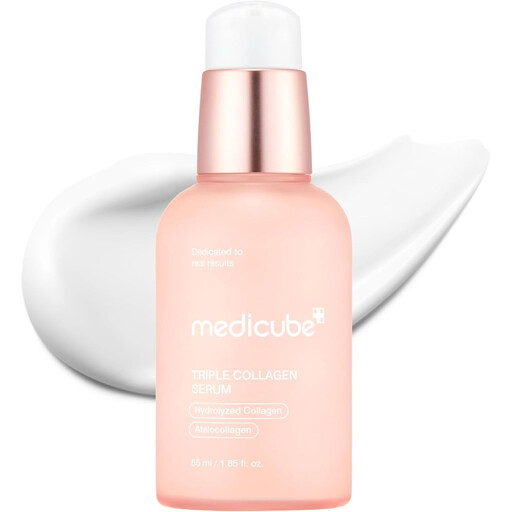
Why it suits this profile: The formula is designed for mature skin and combines collagen, niacinamide and hyaluronic acid in a lightweight serum.
The product description specifies three forms of collagen and also states the volume of 55 ml. Expect care for a plumper-looking complexion, not a guaranteed structural change.
55 ml, three named collagen types, niacinamide and hyaluronic acid; suitable for all skin types according to the product details.
We have compiled a complete, up-to-date list of products that fully meet these strict selection criteria and the applicable European safety regulations.
Check the current ingredients list on the packaging for every product. Formulas may change. If you have sensitive skin, a patch test is advisable. Stop using the product if irritation persists and ask a doctor or dermatologist for advice if you are unsure.
It can be, but this depends on the complete formula. Peptides are only one part of it. Fragrance, acids, retinol and high concentrations of niacinamide may be less comfortable for some users. Choose a straightforward formula, test a small amount first and build up use gradually.
Yes. Many serums already contain both ingredients. According to the product description, hyaluronic acid mainly helps retain moisture and maintain a supple skin feel, while peptides are used in formulas designed to promote smoother- or firmer-looking skin. Applying a moisturiser afterwards helps maintain the comfort of your skincare routine.
This depends on the volume and dosage. A 30 ml pack will generally last less long with daily use than a 55, 100 or 150 ml product. Use the amount stated on the label, store the serum away from direct sunlight and follow the period after opening stated on the packaging.
