
Vandaag of morgen in huis

Kwaliteit gegarandeerd

Welkomstaanbiedingen ontgrendelen: GRATIS bezorging | Tot 80% korting | Gratis 30 dagen JoyPlus-proefperiode
Download de app
A peptide and collagen serum can sound appealing if you want to address fine lines, dryness, a dull complexion or skin that looks less firm. But a bold claim on the packaging doesn’t tell you everything about whether a product is right for your skin. The texture, full ingredients list and directions for use matter just as much.
When shopping for an anti-ageing serum, there are three common pitfalls to watch out for:
Don’t just check whether a product mentions peptides, collagen or hyaluronic acid. Look at the other ingredients too. Glycerin, betaine, panthenol, ceramides and different forms of hyaluronic acid are often used in hydrating formulas.
If you have sensitive skin, it’s worth paying particular attention to:
A fragrance-free product isn’t automatically suitable for everyone. Always check the current packaging, as formulas can change.
Peptides are short chains used in skincare formulas. A product may contain one peptide, such as Palmitoyl Tripeptide-5, or a complex with several peptides. A longer list of peptides doesn’t automatically mean the serum is a better choice for you.
It’s also worth knowing the difference between an anti-wrinkle serum and a product containing retinoids. Retinal, as found in some boosters, requires different precautions from a standard peptide serum and is usually used in the evening.
A 15, 20, 30, 55 or 60 ml bottle can last for very different amounts of time. How much you need depends on the dispenser and the directions for use. A product that requires just two or three drops may be used differently from a lotion-like booster that you spread generously over your face and neck.
A practical routine is:
Don’t expect an immediate change in wrinkles or sagging. A hydrating face serum may temporarily make your skin look smoother or plumper by boosting moisture, but cosmetic results vary from person to person.
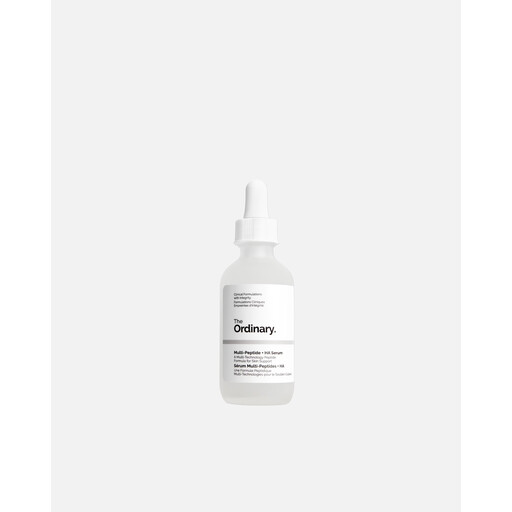
Why it suits this profile: The combination of several peptides, hyaluronic acid and amino acids makes this a good fit if you want to start with one product for hydration and skincare.
The product information provides the full ingredients list and advises you to stop using it if irritation occurs. This lets you check the formula beforehand rather than relying on marketing claims alone.
60 ml, a lightweight serum texture, several peptides, sodium hyaluronate and amino acids; suitable for the face and body according to the product information.
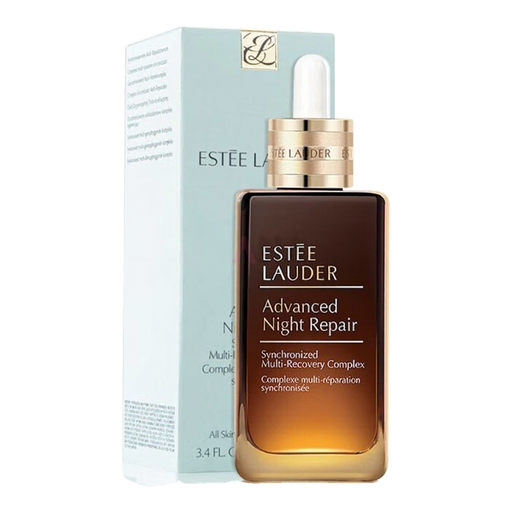
Why it suits this profile: The large bottle and suitability for morning and evening use make it a good fit for anyone with an established, comprehensive routine.
The product information covers application to the face and neck, ingredients and safety advice. You should also check whether fragrance and the other ingredients suit your skin.
100 ml, an oil-free formula according to the product details, with sodium hyaluronate, glycerin and Tripeptide-32.
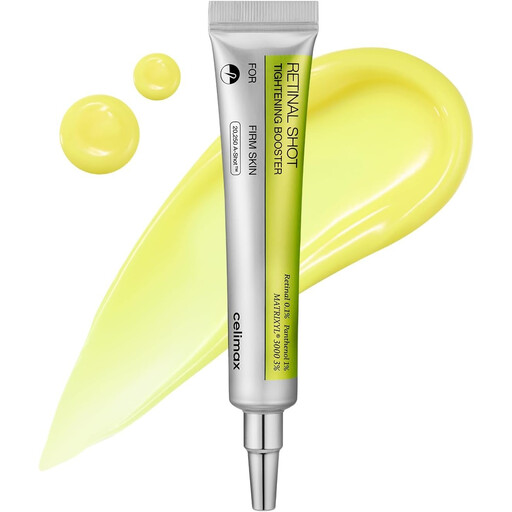
Why it suits this profile: This product is for anyone looking to use a retinal booster as part of a targeted routine and willing to build up use gradually.
The product instructions recommend evening use, a small amount, gradual introduction and daytime sun protection. This helps you avoid overusing it.
15 ml, 0.1% retinal and 3% Matrixyl 3000 according to the product description. Do not use on irritated or damaged skin.
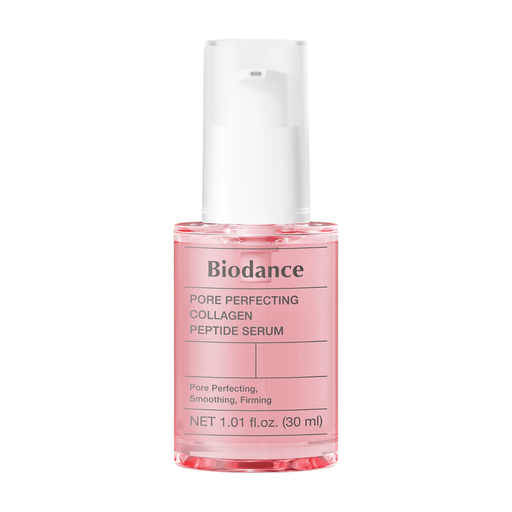
Why it suits this profile: The lightweight texture, collagen water, peptides and several forms of hyaluronic acid make this a good fit if you’re looking for a Korean skincare serum for everyday use.
The ingredients list is available, and the instructions recommend two to three pumps. This makes it easier to assess the formula and how long it may last than relying on a “glow” claim alone.
30 ml, ten listed peptides, collagen water, niacinamide and different forms of hyaluronic acid, according to the product information.
We’ve put together a complete, up-to-date list of products that meet these strict selection criteria and the applicable European safety requirements.
According to the product information, many serums are designed for daily use, sometimes morning and evening. If you have sensitive skin, start by using one once a day or a few times a week. If you also use retinal, acids or other active products, don’t introduce several new formulas at the same time.
It can be, but pay particular attention to its hydrating base. Ingredients such as glycerin, hyaluronic acid, betaine and ceramides can help support a more comfortable feel. A serum usually doesn’t replace a moisturiser, so finish your routine with a cream that suits your skin type.
You may notice hydration relatively quickly if your skin feels dry. The appearance of fine lines, skin texture or firmer-looking skin varies from person to person and usually requires consistent use. Stop using the product if you experience persistent redness, itching, stinging or swelling, and consult a healthcare professional if you’re unsure.
