
Vandaag of morgen in huis

Kwaliteit gegarandeerd

Welkomstaanbiedingen ontgrendelen: GRATIS bezorging | Tot 80% korting | Gratis 30 dagen JoyPlus-proefperiode
Download de app
When you’re looking for peppermint sweets, you’ll quickly come across dozens of rolls, tins, lozenges and chewing gum products. Yet they differ greatly in flavour, texture, sugar content and ease of use. A mint pastille for on the go has different qualities to a bag of peppermints for home.
What’s more, the packaging can give a misleading impression. Words like “extra strong”, “fresh” or “sugar-free” only mean something once you’ve also checked the ingredients list and nutritional information. Below, you’ll find out what matters before you buy peppermint.
Sugar-free peppermint often contains sweeteners such as sorbitol, maltitol, xylitol, aspartame or sucralose. The label will usually state 0 grams of sugars, but the product can still contain carbohydrates and calories.
With many polyols, such as sorbitol, you also need to watch out for the warning about a possible laxative effect. That doesn’t make a sugar-free variety any less practical, but it does mean moderate use is sensible.
A fresh flavour can come from mint oil, menthol, flavourings or a combination of these. One person might be looking for a mild mint pastille, while another wants strong menthol sweets. So don’t just look at the front of the packaging – check the ingredients too.
According to the product description for Fisherman’s Friend, the Extra Strong Sugarfree variety contains sorbitol, liquorice extract and flavourings. The King Peppermint Balls, on the other hand, list peppermint oil and menthol among their ingredients. The intensity of flavour is therefore linked to the chosen composition, but personal taste remains the deciding factor.
A bag or jar can be good value for home or the office, but loose sweets can lose their freshness more quickly if the packaging is opened frequently. For a coat pocket, bag or the car, a sealed tin, roll or portion pack is usually more practical.
Also pay attention to the number of pieces and the net weight. A pack with lots of sweets may look like a bargain, but it’s best to compare the price per 100 grams or per piece.
When checking sugar-free peppermint, look at:
Sportlife Peppermint Chewing Gum, for example, states 0 grams of sugars per 100 grams and uses maltitol, sorbitol, sucralose and acesulfame-K among its ingredients. That makes the gum an alternative to ordinary mint sweets, but the sweeteners still matter if you use several portions.
Peppermints can be brittle and melt in the mouth, stay hard, have a soft centre or be designed for chewing. So choose based on how you’ll use them:
For vegan or gluten-free choices, always check the current packaging. Wilhelmina Sugar-Free Peppermint is described in the product information as vegan and gluten-free. Fisherman’s Friend Extra Strong Sugarfree is described as suitable for vegetarians and vegans and as gluten-free.
Also look out for ingredients such as gelatine. Fortuin English Peppermint lists sugar, gelatine, modified potato starch and natural mint flavouring. So if you eat a vegan diet, it’s wise not to rely solely on the name “peppermint”.
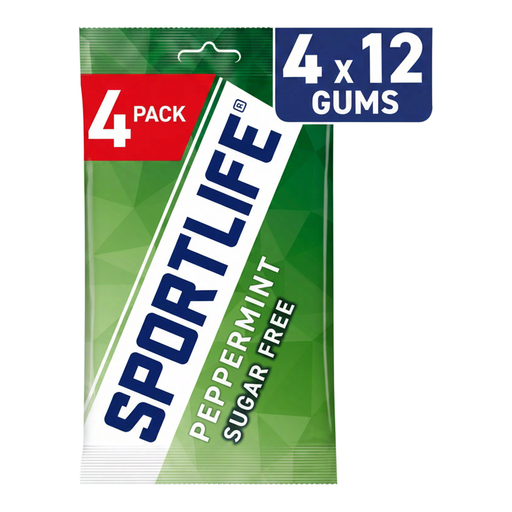
Why this fits the profile: Four portion packs are handy for a bag, desk or car. The gum suits anyone who prefers chewing to slowly letting a hard sweet dissolve.
The product information states 0 grams of sugars per 100 grams and clearly shows the sweeteners used. This allows you to compare the choice based on verifiable data.
Sugar-free chewing gum, four portion packs and made in the Netherlands according to the product information.
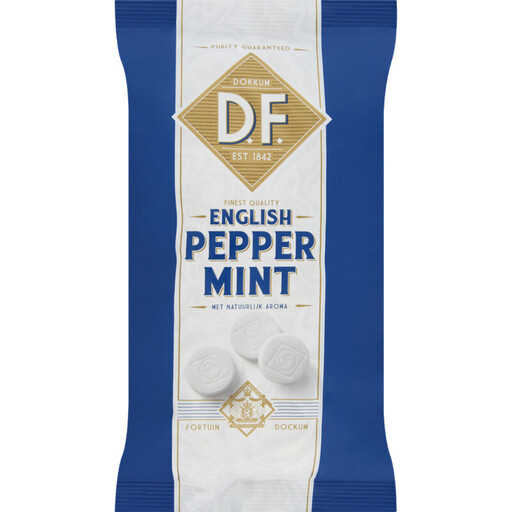
Why this fits the profile: The 450-gram pack is ideal for home, a reception area or a shared workspace where peppermints are regularly offered.
The product information mentions the brittle texture, natural mint flavour and a portion of four sweets. This gives you a better idea of what to expect in terms of mouthfeel and usage.
Large quantity, natural mint flavour according to the product description and suitable for use at home or on the go.

Why this fits the profile: This variety is designed for anyone deliberately seeking a strong menthol flavour without added sugars, in a small size for on the go.
The product information explicitly states extra strong menthol flavour, 1.5 grams of sugars per 100 grams and 91 grams of polyols. This gives a clearer picture than just the “sugar-free” claim.
Sugar-free pastilles according to the product information, suitable for vegan and gluten-free dietary choices and packed in 75 grams.
We’ve put together a full, up-to-date list of products that fully meet these strict selection criteria and comply with current European safety regulations.
Peppermints are usually hard pastilles that dissolve slowly. Chewing gum is chewed and can therefore give a longer-lasting mint flavour. Choose pastilles for a discreet moment, for example during a meeting, and chewing gum when you find that more practical after a meal.
No. Sugar-free products can contain polyols and other carbohydrates. So check the nutritional information per 100 grams. Also look out for warnings about excessive consumption and the presence of aspartame if that’s relevant to you.
Store peppermint sweets according to the product information in a cool, dry place, away from direct sunlight and moisture. Seal an opened pack tightly. Always check the best-before date and the current label when buying and using.
