
Vandaag of morgen in huis

Kwaliteit gegarandeerd

Welkomstaanbiedingen ontgrendelen: GRATIS bezorging | Tot 80% korting | Gratis 30 dagen JoyPlus-proefperiode
Download de app
Peppermint might seem like a simple product, but the range on offer stretches from hard peppermint sweets and soft menthol sweets to sugar-free peppermint, peppermint chewing gum and peppermint-flavoured toothpaste. The right choice really depends on when you plan to use the product: after a meal, on the go, at work or as part of your daily grooming routine.
Sugar-free peppermints often contain polyols such as sorbitol, maltitol or xylitol. These typically contain no sugar, but excessive consumption can have a laxative effect, according to the product packaging. Some products also contain aspartame and therefore a source of phenylalanine. Always check the ingredients list, especially if you have a known sensitivity or phenylketonuria.
A strong peppermint or menthol variant can taste fresh, but the intensity isn't the same across every product. A hard boiled sweet with peppermint oil and menthol gives a different experience to a soft pastille, chewing gum or Smint with a short, concentrated burst of flavour. So look at the description, ingredients and portion size rather than just words like “strong” or “extra fresh”.
A large bag of peppermint sweets might seem good value, but it's less practical for using on the go. A roll, resealable pouch or metal tin protects peppermints better from moisture and makes portioning easier. So compare weight, number of pieces and packaging type. Also check the best-before date on the packaging and store peppermint in a dry, cool place away from direct sunlight.
If you want to limit sugar, you can choose sugar-free peppermint or peppermint chewing gum. Sportlife Peppermint Chewing Gum states 0 grams of sugar per 100 grams and uses, among others, maltitol, sorbitol, sucralose and acesulfame-K. Smint and Wilhelmina varieties also use combinations of sweeteners.
Don't just look at “0 grams of sugar”. Also check:
With regular peppermint sweets, the sugar content is much higher. King Peppermint Balls, for example, states 79 grams of sugars per 100 grams. Fortuin English Peppermint states 99 grams of sugars per 100 grams. This makes these products a very different choice from a sugar-free mint.
Texture determines how you use peppermint. Hard peppermint pastilles or mint balls are designed to melt slowly. Chewing gum lasts longer and works well after a meal or during a working day. An extra-strong menthol pastille is best when you're after a particularly fresh taste.
Check whether the flavour comes from peppermint oil, natural mint flavouring, menthol or a combination of these. A product with liquorice, ginger, eucalyptus or fruit flavouring is clearly different from pure peppermint. Gingerbon Ginger Peppermint Bonbons, for example, combines ginger with mint and therefore isn't a classic, soft peppermint.
Peppermint sweets and peppermint pastilles are food products. Peppermint toothpaste is intended for brushing your teeth and must not be swallowed. According to the product description, Oral-B Professional Whitening Healthy Arctic Fresh Sweet Peppermint contains, among other things, fluoride and a tin fluoride complex. Use toothpaste according to the instructions on the packaging and treat product claims from brands as information about the formula on offer, not as personal health advice.
Peppermint tea is another category entirely. Clipper Raspberry & Mint contains green tea, 15% peppermint and raspberry flavouring. The bags can be used hot or as iced tea. This product is therefore suitable for a drink, not as a quick breath-freshening solution.
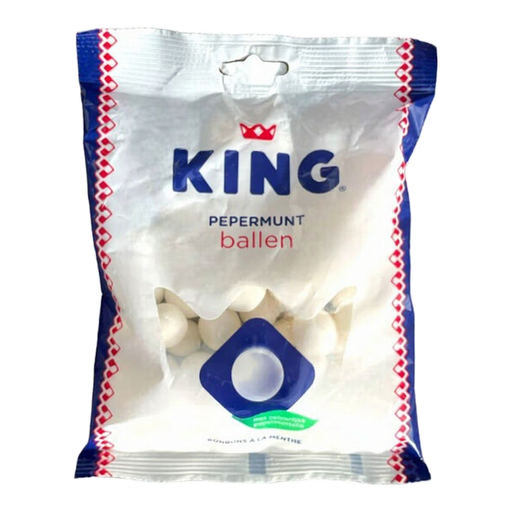
Why this fits the profile: A generous pack for home use, with a recognisable menthol flavour and a soft centre. Ideal for anyone wanting to try regular peppermint sweets.
The product information states 79 grams of sugar per 100 grams. This makes it clear upfront that this is not a sugar-free choice.
250 gram contents, peppermint oil and menthol, with a soft centre.
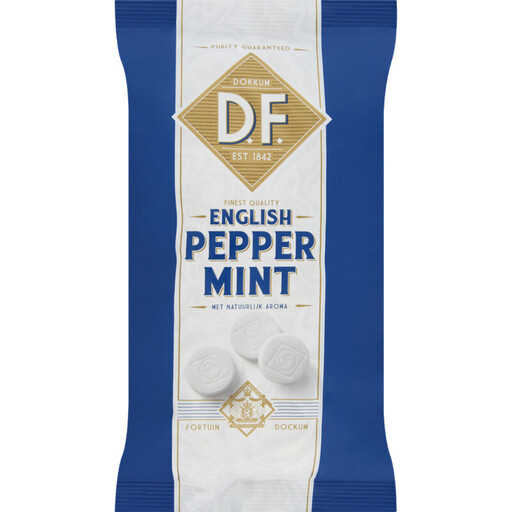
Why this fits the profile: A large pack with natural mint flavourings and a brittle texture that melts in the mouth.
The ingredients and nutritional values are listed: this product contains sugar and is therefore not intended as a sugar-free mint.
450 gram contents, natural mint flavourings and a classic pastille texture.
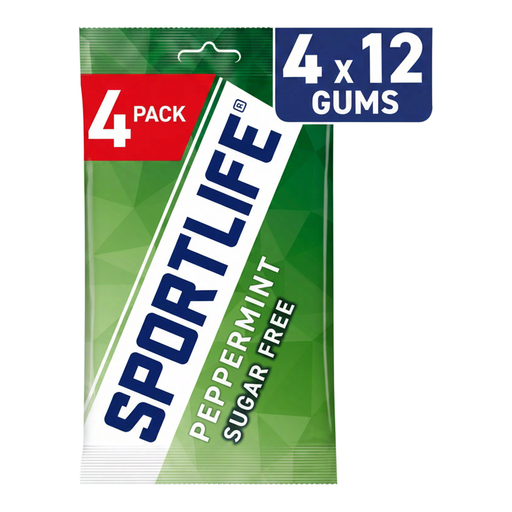
Why this fits the profile: The four portion packs are practical for your bag, car or desk and suit regular use throughout the day.
The packaging divides the supply into portions. The product information also states 0 grams of sugar per 100 grams.
Sugar-free chewing gum, four portion packs and a fresh mint variety.

Why this fits the profile: According to the product description, these pastilles are sugar-free and have an extra-strong menthol flavour for anyone looking for a pronounced mint.
The ingredients list states sorbitol and 91 grams of polyols per 100 grams. The packaging therefore warns against excessive consumption.
75 gram contents, sugar-free formula and extra-strong menthol flavour.
We've put together a full, up-to-date list of products that fully meet these strict selection criteria and comply with current European safety regulations.
That depends on your preference. According to the product information, sugar-free peppermint contains no added sugar, but it often does contain polyols and sometimes aspartame. Regular peppermint usually contains sugar. So compare the ingredients and nutritional values with your own intended use.
The duration varies by product type. Chewing gum generally lasts longer because you chew it. Hard peppermints and pastilles dissolve slowly, while smaller mints disappear more quickly. The packaging usually doesn't give a fixed flavour duration; treat brand claims as product information from the manufacturer.
No. Peppermint sweets, mints and chewing gum are food products. Peppermint toothpaste is a grooming product and should be used according to the instructions. Do not swallow toothpaste and, if irritation occurs, check the warnings on the packaging.
