
Shoppers comparing nutritional values
You want to compare sugars, fibre, saturated fat and portion size for a sweet baking or coffee break. This helps you be specific about what you mean by ‘digestive’, without using the term as a nutritional claim.


Choose a classic stroopwafel if you’d like to serve a sweet biscuit with coffee or tea while baking pepernoten. If you want to use stroopwafels in something you’re baking, first decide whether you need whole wafers, pieces or crumbs, then try it on a small scale. If you have a dietary requirement, the ingredients, nutritional information and allergens on the packaging matter more than a general label such as ‘digestive’.
You want to compare sugars, fibre, saturated fat and portion size for a sweet baking or coffee break. This helps you be specific about what you mean by ‘digestive’, without using the term as a nutritional claim.
You might be looking for a specific gluten-free or plant-based stroopwafel. The label on the front doesn’t tell you what other ingredients or allergens the product contains.
You want to serve stroopwafels alongside coffee or tea, share them or use them in pieces. The number of wafers you need and how you plan to use them will help you choose a practical pack size.
First decide what you want the stroopwafels to do while you bake pepernoten: serving them on their own calls for a different approach from using pieces or crumbs. Then compare the information on the pack with your nutritional or dietary requirements.
| What to consider | What should you check? | Who is this most important for? |
|---|---|---|
| Nutritional values | Compare sugars, fibre and saturated fat per 100 g, and consider how much you’ll have in a portion. | If by ‘digestive’ I mainly mean less sugar or more fibre, I want to compare the values on specific packs. Around 33% of consumers are said to make nutritional value their main selection criterion. |
| Diet and allergens | Read the ingredients and ‘contains’ and ‘may contain’ statements; check whether a gluten-free or plant-based claim applies to the specific product. | If I have a specific dietary or allergen requirement, I need to know what this particular stroopwafel contains, even if the product name sounds suitable. For around 25% of consumers, this requirement is said to determine their choice. |
| Serving or using in baking | Decide whether you want whole wafers, pieces or crumbs, and check that the pack size suits your plans. | For my pepernoten baking session, I want to know in advance whether I’ll be handing out stroopwafels or using them another way. Around 25% of consumers are said to prioritise this function. |
| Pack size | Compare the number of wafers and the total weight with how much you want to serve or use. | If I’m putting wafers out for several people, I want enough to go round without opening more than I need. Pack size is said to be the main consideration for around 17% of consumers. |
According to Albert Heijn, AH Terra Plant-Based stroopwafels contain wheat and soya, and may contain milk. So a plant-based label doesn’t automatically answer questions about gluten or other allergens.
If you need a gluten-free product, check the specific product claim and read all the allergen information on the pack.
A comparison with regular stroopwafels doesn’t, by itself, tell you how much sugar the alternative contains or what other ingredients are in it.
Read the nutritional table per 100 g and per portion, along with the ingredients list on the pack you’re buying.
Recipes and packaging information can change. If you have a dietary or allergen requirement, the information on the pack you’re using is what matters.
Before serving or using the product, check the ingredients, allergens, nutritional information and storage instructions on the packaging.
A wafer that works well on its own may not give the same result when you use it in pieces or crumbs in a bake.
First choose the form you want and try a small amount before using it throughout the whole batch.
A brand to consider if you’re looking to serve a classic stroopwafel with coffee or tea.
Offers several stroopwafel varieties, including AH Terra Plant-Based.
Offers classic stroopwafels as well as varieties specifically labelled gluten-free.
Lists both regular and gluten-free stroopwafels.
Sondey is a Lidl biscuit range that includes stroopwafel varieties.
Lists regular and mini stroopwafels in different serving sizes.
These two packs of classic stroopwafels are suited to serving on their own during a pepernoten baking session. Choose based on how many wafers you want to put out; if you plan to use them in a bake, try a small amount first.
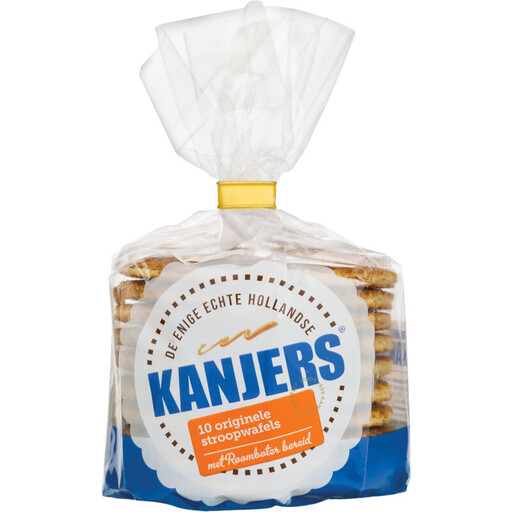 Image unavailable
A pack of stroopwafels to serve on their own with coffee or tea while you bake.
Pack contains: 10 pieces. Compare the nutritional values on the packaging if sugar or fibre will influence your choice.
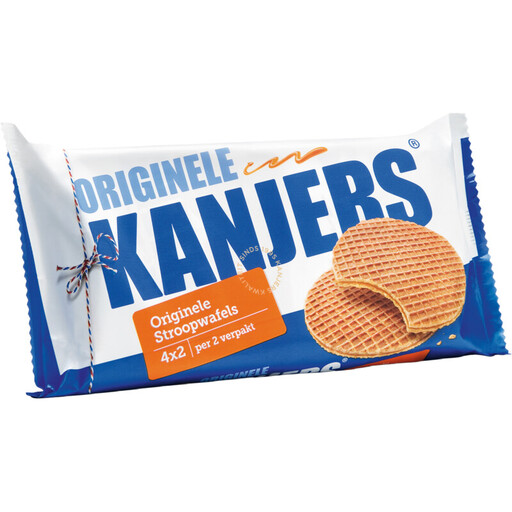 Image unavailable
A classic pack of stroopwafels for anyone who wants to serve individual wafers during a baking session.
Pack contains: 8 pieces. Check the pack if nutritional values or allergens are important to your choice.
Compare the sugar and fibre content of specific stroopwafels in the nutritional table, both per 100 g and for the portion you plan to have. A general label such as ‘digestive’ is no substitute for that product information.
Not necessarily: according to Albert Heijn, AH Terra Plant-Based stroopwafels contain wheat and soya. If you need a gluten-free variety, choose a product specifically labelled as such and check the other allergens on the pack too.
Read the packaging label. The Netherlands Food and Consumer Product Safety Authority states that mandatory allergen declarations apply to 14 allergens; if you have a specific requirement, also check the ingredients and any ‘may contain’ information for the product.
Follow the storage instructions and best-before date on the packaging you buy. For the AH Terra variety mentioned, Albert Heijn recommends storing it in a cool, dark, dry place and resealing the pack after use; instructions may vary between varieties.