
Vandaag of morgen in huis

Kwaliteit gegarandeerd

Welkomstaanbiedingen ontgrendelen: GRATIS bezorging | Tot 80% korting | Gratis 30 dagen JoyPlus-proefperiode
Download de app
The right pen or marker depends on how you intend to use it. A school pupil needs different writing supplies from someone applying acrylic paint to glass, keeping a bullet journal or looking for an eyeliner pen. Yet many products look alike in online shops. So don’t focus only on colour and price. Pay particular attention to the tip, ink, grip and surface.
A 0.5 mm tip usually produces a narrow line for notes, diaries and small drawings. For larger areas or clear lettering, a broader tip works better. With acrylic markers, for example, a combination of 1 mm and 3 mm is more practical than a single fixed line width.
Quick-drying ink can reduce the risk of smudging, but paper quality, writing pressure and drying time also play a part. Left-handed writers in particular should test a pen on their own paper first. Also look out for terms such as water-based, gel ink, liquid ink or acrylic ink. These properties determine how the ink behaves.
A set of 50 gel pens is useful for a classroom, office or busy household. For everyday use, however, a smaller set with a better grip and a well-suited tip may be more convenient. With brush pens, the number of colours is also less important if you only create light-coloured designs or small drawings.
Choose the line width according to the intended use:
An ergonomic grip is particularly important if you write for long periods. A soft silicone grip, ribbed barrel or triangular shape can give you more control, but the feel is a personal preference.
For paper, gel pens, rollerball pens and ballpoint pens are common options. Gel ink often writes smoothly and is available in striking colours. Rollerball pens use liquid ink and are often chosen for a fine, flowing line. Ballpoint pens are practical for forms, school and office use.
For creative projects, consider the surface:
Erasable gel pens use heat-sensitive ink. This allows you to remove text with the eraser, but this type of ink is not suitable for every official document. For important paperwork, ordinary black gel pens or ballpoint pens are often the wiser choice.
Close markers and brush pens securely after use. Store rollerball pens with the cap on and retract retractable pens. This helps prevent the tip from drying out. For cosmetic products, always check the expiry information and instructions for use on the packaging.
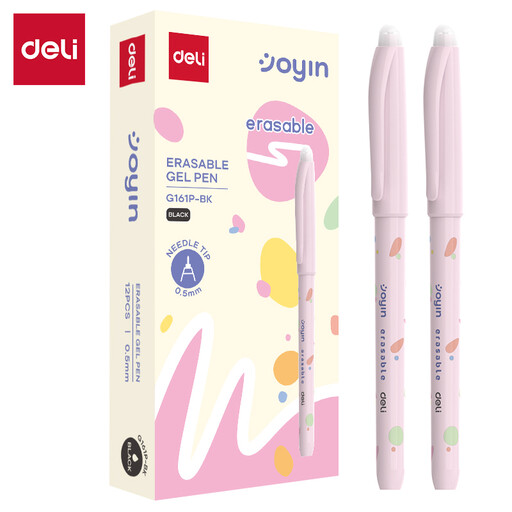
Why it suits this profile: A set of 12 black pens with a 0.5 mm needle tip is suitable for school, planning and everyday writing.
The number of pens and line width are clearly stated. Bear in mind that erasable ink is not suitable for every official document.
0.5 mm needle tip, black ink and a pack of 12.
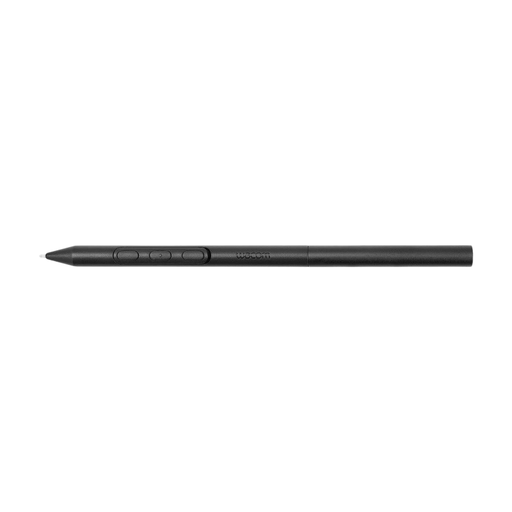
Why it suits this profile: For digital drawing, this battery-free EMR stylus is designed for compatible Wacom devices and can be customised in terms of weight, grip and buttons.
The compatibility list is specific. Before buying, check whether your MovinkPad or Cintiq model is included.
Battery-free EMR technology and adjustable grip, balance and pen buttons.

Why it suits this profile: These acrylic markers are aimed at hobbyists who want to work on multiple materials with both fine and broader lines.
The set specifies the ink type, 1 mm and 3 mm tips, and the required shaking and pumping action. This tells you exactly what using the markers involves.
6 standard colours, water-based acrylic ink and two tip sizes per marker.
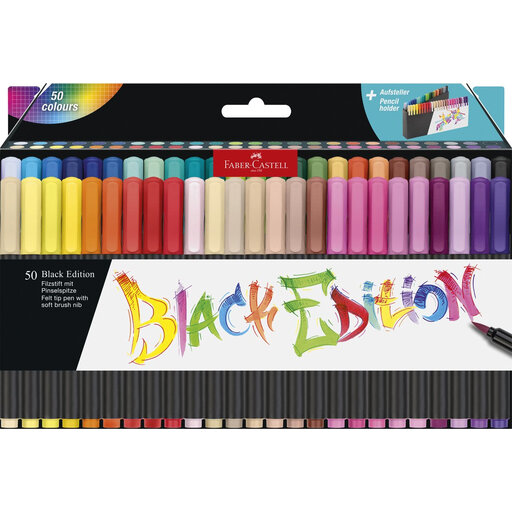
Why it suits this profile: The extensive choice of colours is practical for bullet journals, cards, small illustrations and decorative lettering.
The product information states that the ink is washable and suitable only for light-coloured paper. This helps avoid disappointment when using it on dark pages.
50 colours, flexible brush tip and washable ink made with food colourings, according to the product description.
We’ve put together a complete, up-to-date list of products that fully meet these strict selection criteria and the applicable European safety regulations.
For everyday office and school use, black gel pens with a 0.5 mm or 0.7 mm tip are a practical choice. If you write a lot, look for a soft grip and retractable mechanism. For larger supplies, sets of 8, 10, 12 or 50 pieces may be worth considering.
For drawing, you can combine fineliners with brush pens. Acrylic markers are better suited to decorative projects on a range of materials, but they often need to be activated by shaking and pumping. Also check that the cap closes securely.
Cosmetic drawing products, such as an eyeliner pen or eyebrow pencil, require different considerations. Look at the colour, applicator, ingredients, warnings and shelf life. According to CLIO’s product description, the Superproof Pen Liner has a microfibre brush and should be shaken before use. According to JUDYDOLL’s product description, the liquid eyebrow pen is designed for short, hair-like strokes. Avoid contact with the eyes and stop using the product if irritation occurs. Claims such as waterproof, smudge-proof or long-lasting come from the brand’s product information and are not a guarantee for every user.
A fine gel pen, fineliner or rollerball pen with a tip of around 0.5 mm may be suitable for thin paper. However, the amount of ink and the type of paper also determine whether the ink will bleed through. Test a pen on a back sheet before buying a large set.
Replace the cap immediately after use and check that it closes completely. Store brush pens and markers away from heat and direct sunlight. With acrylic markers, follow the instructions for use, including shaking and pumping before the first application.
Usually, they are not the recommended choice. The heat-sensitive ink in erasable gel pens can change through friction or heat. Use a non-erasable pen for contracts, forms and other important documents, and always check the organisation’s requirements.
