
Vandaag of morgen in huis

Kwaliteit gegarandeerd

Welkomstaanbiedingen ontgrendelen: GRATIS bezorging | Tot 80% korting | Gratis 30 dagen JoyPlus-proefperiode
Download de app
A new interior without the hassle of glue, brushes, and drop cloths? It might sound too good to be true, but with self-adhesive wallpaper, it's a reality. Whether you're renting and can't make permanent changes, or you're simply looking for a quick and cost-effective way to refresh a room, this type of wall covering offers a practical solution.
As a Joybuy Product Recommendation Officer, I see many trends and products. My goal is to help you make the right choices based on clear information, without the marketing fluff. In this article, we'll explore what to look for when purchasing peel-and-stick wallpaper and highlight some popular choices for you.
Before you add a roll to your shopping cart, there are a few practical things to consider. This will help you avoid a bad purchase and ensure a sleek final result.
Not every wall is suitable for glue-free wallpaper. Most self-adhesive versions adhere best to a smooth, clean, and dry surface. Think of plastered walls, painted wood, or cabinet doors. A rough or textured wall can cause the edges to peel over time. Much of the self-adhesive wallpaper available is made from PVC vinyl. This material is typically durable and washable, making it a great choice for a hallway or an accent wall in the living room.
The choice of pattern is personal, but it has a major impact on the atmosphere of a space. A botanical wallpaper with leaves can create a calming, natural feel, while a sleek geometric wallpaper provides a modern and energetic look. For a subtle change, you might consider papering just one wall as an accent. Peel-and-stick wallpaper is also ideal for use as a furniture wrap to give an old cabinet, a chest of drawers, or even a tabletop a completely new look.
Measure the surface you want to cover accurately. Always calculate a little extra and order an additional roll in case you make a mistake while cutting. There's nothing more frustrating than having to stop your project halfway through because you've run out of material. Also, ensure the surface is completely clean, dust-free, and dry before you start applying. Proper preparation is key to success.
Based on product specifications and popular styles, we've selected three interesting options for various projects.
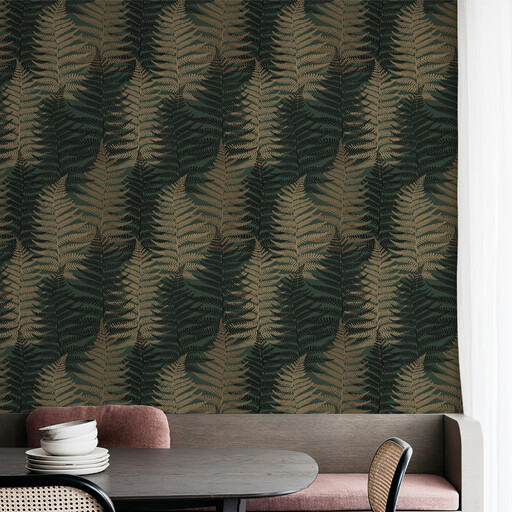
Why it stands out: This wallpaper features a dark fern leaf pattern that adds depth and a natural texture. Under warm light, it creates a luxurious and atmospheric look without overwhelming the entire room.
Highlights:
Who is it for? Ideal for those who want to create a cosy, natural atmosphere. Think of an accent wall behind the sofa, a reading nook, or the back panel of an open bookshelf.

Why it stands out: The subtle, vertical pattern in a soft green hue lends a classic and serene look. It adds texture to the wall without being overpowering, making it easy to combine with existing furniture.
Highlights:
Who is it for? For lovers of a classic, understated style. Suitable for bedrooms, hallways, or as an elegant backdrop for a TV stand.
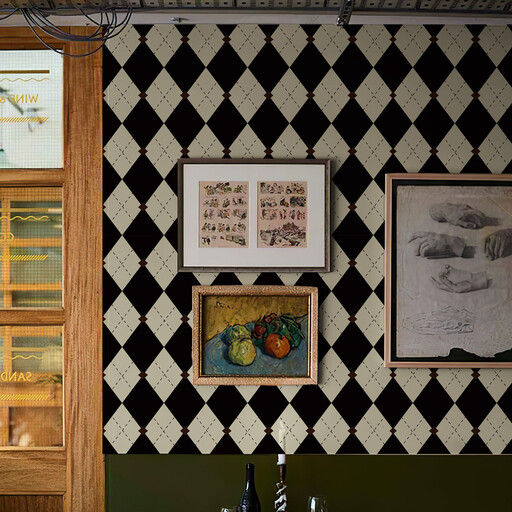
Why it stands out: The clean, black-and-white diamond pattern instantly gives a space a graphic and structured look. It creates a tile-like effect that fits well in a modern interior.
Highlights:
Who is it for? Perfect for those who want to make a statement with a modern, graphic design. Suitable for refreshing a breakfast nook, a home office, or wardrobe doors.
Besides walls and furniture, you can personalize so much more with decorative films. Have the possibilities of self-adhesive vinyl inspired you?
Explore our range of other vinyl solutions for creative projects.
Yes, one of its biggest advantages is that it's removable wallpaper. It can typically be taken down without leaving residue or damaging the surface, provided the wall is in good condition and smooth. This makes it an excellent option for rental properties.
No, it works best on smooth, non-porous surfaces. Textured walls, such as those with textured plaster, or untreated wood are less suitable because the wallpaper cannot adhere properly everywhere. A clean, dry, and smooth surface is essential for a good result.
Work slowly and systematically. Start at the top and peel off the backing little by little while smoothing the wallpaper from the center to the sides with a soft cloth or a squeegee. If a bubble does appear, you can gently prick it with a needle and rub the air out.
