
Vandaag of morgen in huis

Kwaliteit gegarandeerd

Welkomstaanbiedingen ontgrendelen: GRATIS bezorging | Tot 80% korting | Gratis 30 dagen JoyPlus-proefperiode
Download de app
Giving your home a fresh update doesn't have to mean a major, expensive renovation. Perhaps you're tired of a particular wall, want to give your kitchen cabinets a modern look, or are a renter looking for a temporary solution to personalise your space. Self-adhesive wallpaper, also known as contact paper, offers a fast and affordable way to instantly transform a room.
As a Joybuy Product Recommendation Officer, I'm here to help you make the right choices. In this article, we'll discuss what to look for when buying and highlight some popular options that align with today's interior design trends.
Before you make a decision, it's wise to consider a few practical matters. This will help you find a product that is not only beautiful but also suitable for your specific project.
Most types of self-adhesive wallpaper are made of PVC (vinyl). This material is durable, water-resistant, and easy to clean with a damp cloth. This makes it suitable not only as wall decoration but also as contact paper for furniture, kitchen cabinets, or a toilet backsplash.
A smooth, clean, and dry surface is crucial for a flawless finish. Think of painted walls, lacquered furniture panels, or doors. The film adheres less effectively to rough or porous surfaces, such as unfinished wood or a textured plaster wall.
The popularity of self-adhesive wallpaper is partly due to the vast array of designs available. Two standout trends are the industrial and luxury aesthetics.
The main advantage of self-adhesive wallpaper is its ease of installation. You don't need any glue or a pasting table. Most rolls have a grid on the backing paper, which makes cutting straight lines simple. For renters or those who enjoy changing their decor frequently, removable wallpaper is a key feature. High-quality interior film can be removed over time without leaving sticky residue on a properly prepared surface.
Based on material specifications and popular styles, we've curated a few options for you.
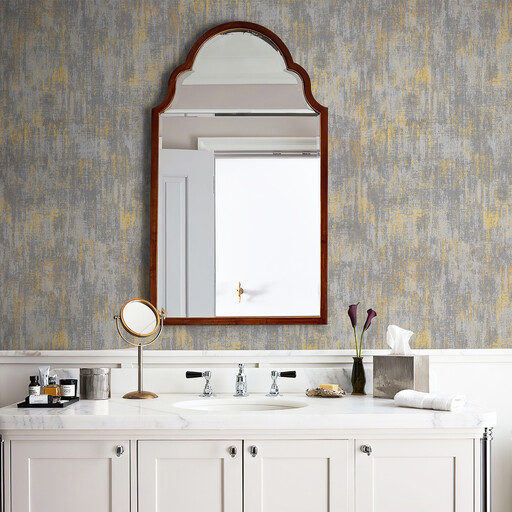
Why It Stands Out: This concrete-look wallpaper combines a rugged appearance with practical application. The light grey industrial texture creates a sleek "cement wall" aesthetic that pairs well with wooden furniture and black accents.
Key Features:
Who It's For: Ideal for anyone wanting to give an accent wall in the living room, hallway, or home office an industrial touch. Also highly suitable for updating cabinet doors for a clean, modern look.

Why It Stands Out: This contact paper with a bright white marble print gives any space a fresh and luxurious feel. The subtle veining provides a polished look that makes rooms feel brighter and more spacious.
Key Features:
Who It's For: Perfect for upgrading bathroom vanities (in dry areas), the side of a kitchen island, dressers, or as a chic backdrop in a wardrobe.

Why It Stands Out: For those who want to make a statement, this black marble-look wallpaper offers a powerful contrast. The white veins give the design depth and a modern, luxurious appearance reminiscent of natural stone.
Key Features:
Who It's For: Excellent for a dramatic accent wall in the living room or hallway, revamping a dark piece of furniture, or creating a chic backdrop in a home office.
The possibilities with self-adhesive wallpaper are endless. Are you looking for a different colour, a wood-look pattern, or a graphic design? There are countless options available to suit every interior style and project.
Browse our full collection for more inspiration and find the perfect match for your interior.
Discover More Options in the Wallpaper Category
No, for the best results, a smooth, clean, dry, and non-porous surface is required. Think of walls with a satin or semi-gloss paint finish, melamine furniture panels, or lacquered wood. The film adheres poorly to rough surfaces like brick, textured paint, or unprimed drywall, and imperfections may remain visible.
Yes, most modern self-adhesive wallpapers are designed to be removable. By slowly pulling the wallpaper off at a 45-degree angle, you minimise the risk of leaving behind sticky residue or damaging the surface. Gently heating the film with a hairdryer can make removal easier.
Start with a clean, dust-free surface. Peel back only a small portion of the backing paper and place the top of the strip straight on the wall. Use a squeegee or a soft cloth to smooth the film from the center to the edges as you gradually remove more of the backing. If an air bubble does appear, pierce it with a fine needle and smooth the air out.
