
Vandaag of morgen in huis

Kwaliteit gegarandeerd

Welkomstaanbiedingen ontgrendelen: GRATIS bezorging | Tot 80% korting | Gratis 30 dagen JoyPlus-proefperiode
Download de app
Have a bare wall in your living room or a bedroom that could use a refresh? You want a change but are dreading the hassle and expense of traditional wallpapering or a full renovation. Peel-and-stick wallpaper offers a practical solution. It allows you to give a room a fresh new look quickly and affordably, without messy glue or complicated tools.
This article will help you choose the right peel-and-stick wallpaper. We'll provide some practical buying tips and highlight a few popular choices that align with today's interior design trends.
The right choice depends on your space and the desired effect. Here are a few key points to get you started.
Most peel-and-stick wallpapers are made of PVC vinyl. This material is durable, wipeable with a damp cloth, and resistant to wear and tear. That makes it an excellent choice for an accent wall wallpaper in the living room or as living room wallpaper behind the sofa. Vinyl is also suitable for a modern bedroom wallpaper because it provides a sleek and clean finish. Always check that the material is appropriate for the room where you plan to use it.
A pattern can make or break a space. For example, a slatted wall wallpaper or acoustic panel wallpaper creates a sense of depth and texture, lending a modern look. A wood-look wallpaper provides a warm and natural atmosphere. Measure your wall carefully and order slightly more than you need to account for trim allowance. Also, pay attention to the roll width and length; longer rolls mean fewer seams, which ensures a more seamless finish.
Peel-and-stick wallpaper, also known as wall adhesive film, adheres best to a smooth, clean, and dry surface. Think of a smoothly plastered wall, a painted wall (allow the paint to cure completely), or a furniture panel. Rough, dusty, or damp surfaces can reduce adhesion. Although many types are removable wallpaper, proper preparation ensures that it sticks well and can be removed cleanly later.
Below is a selection of peel-and-stick wallpaper options popular for their style and ease of use.
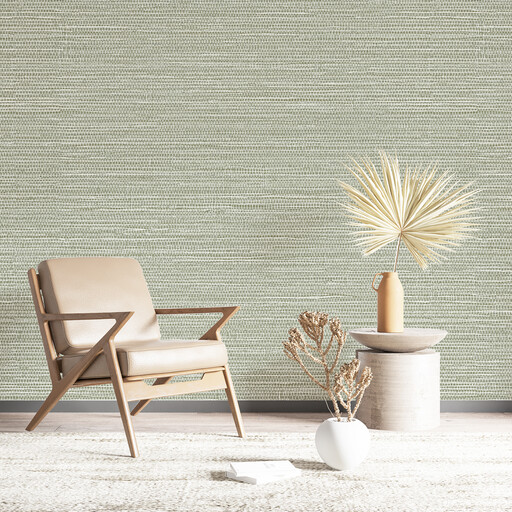
Why It Stands Out: This wallpaper combines a subtle green hue with a woven texture. It provides a natural and serene look without being overpowering, allowing furniture and other decor to shine.
Advantages:
Who Is It For? Ideal for those who want to add a touch of colour and texture to a living room, bedroom, or home office. It works well as an accent wall behind a sofa, bed, or open shelving unit.

Why It Stands Out: This slatted wood wallpaper mimics the effect of a modern slatted wall. The warm, red-brown wood tone and vertical rhythm instantly give a room a more finished and structured look.
Advantages:
accent wall.Who Is It For? Perfect for anyone wanting to create the popular slatted wall wallpaper look without any carpentry. It fits well in a living room behind the TV, in a long hallway, or as a modern bedroom wallpaper behind the headboard.
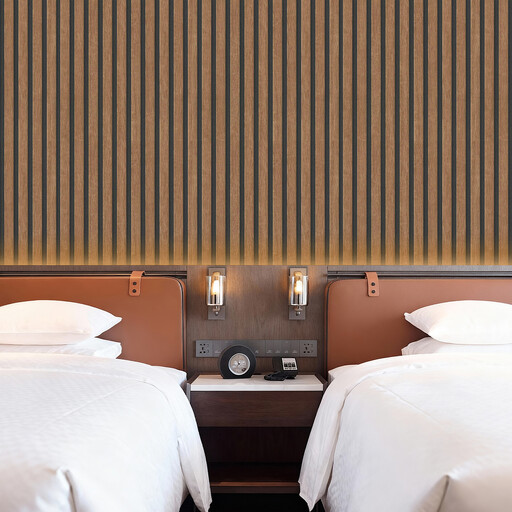
Why It Stands Out: The black version of the acoustic panel wallpaper creates a bold and sleek contrast. It makes light-coloured furniture, lighting, and plants pop, giving the space a chic, architectural vibe.
Advantages:
Who Is It For? Suitable for those who want to make a statement in their living room, dining room, or home office. The black wood-look wallpaper pairs well with warm wood tones and ambient lighting to create an inviting, yet modern space.
Didn't find the perfect match for your project? Every space is unique and requires its own approach. For more decorative solutions, such as for a shed or garden house, you can browse our collection of outdoor shed wall decor.
Yes, most types are designed as removable wallpaper. The adhesive layer is made to stick firmly but also release without damaging the surface underneath. However, the result depends on the quality of the surface and how long the wallpaper has been in place. A hairdryer can help soften the adhesive during removal.
No, for a good result, a smooth, clean, and non-porous surface is required. Textured surfaces, like textured plaster, or walls that have been recently painted (less than 4 weeks ago) are not suitable. The adhesive may not bond properly.
Patience is key here. Start at the top of the wall and peel back the backing paper little by little as you work your way down. Use a squeegee or a soft, flat cloth to smooth the wallpaper from the centre to the sides. This will push out any air bubbles immediately.
