
Vandaag of morgen in huis

Kwaliteit gegarandeerd

Welkomstaanbiedingen ontgrendelen: GRATIS bezorging | Tot 80% korting | Gratis 30 dagen JoyPlus-proefperiode
Download de app
Tired of looking at that same old wall in your living room? Or are you a renter wanting to upgrade your kitchen without making permanent changes? A full renovation is often expensive, time-consuming, and not always an option. Fortunately, there's a practical solution: peel-and-stick wallpaper.
With the right adhesive film, you can give a room or piece of furniture a complete makeover in just one afternoon. But which type is right for your project, and what should you look out for? As a Joybuy Product Expert, I'll guide you with practical tips and concrete recommendations, helping you make a choice that suits your needs and interior style.
Before you make a decision, there are a few key points that can mean the difference between a quick project and unnecessary frustration.
Not every film is suitable for every surface. Most self-adhesive wallpapers adhere best to a smooth, clean, and dry surface. Think painted walls, lacquered cabinets, or doors. A rough or damp wall can reduce the adhesive strength. Most films are made of PVC vinyl, a material that is durable and can be wiped clean with a damp cloth. This makes it ideal as an adhesive film for furniture or as wallpaper for a cabinet you want to give a second life.
The power of peel-and-stick wallpaper lies in its ability to imitate high-end materials. Popular choices include:
A major advantage, especially for renters, is that much of this product is removable wallpaper. It can often be removed without leaving any sticky residue, although it's always wise to test it on an inconspicuous area first. Also, pay attention to the roll's width and length. A longer roll means fewer seams, which ensures a sleeker, more professional finish.
Based on product specifications and popular styles, we've curated a few options for you.
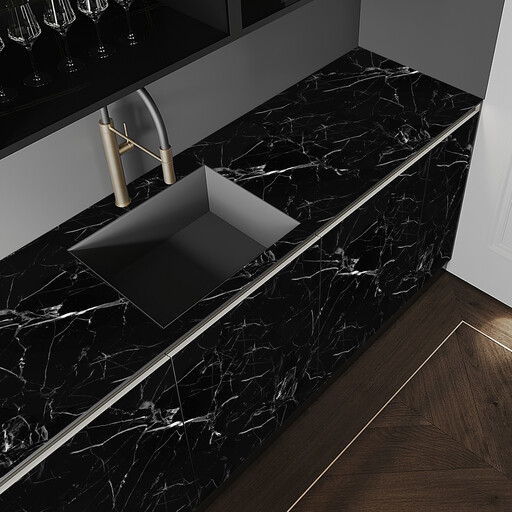
Why it stands out: This marble-look adhesive film features high contrast with its black base and white veins. It creates a bold and luxurious statement, ideal for an accent wall that immediately draws the eye.
Key Features:
Who it's for?: For the DIY enthusiast who wants to make a statement in their living room or bedroom and is looking for a designer look without the cost of real marble.
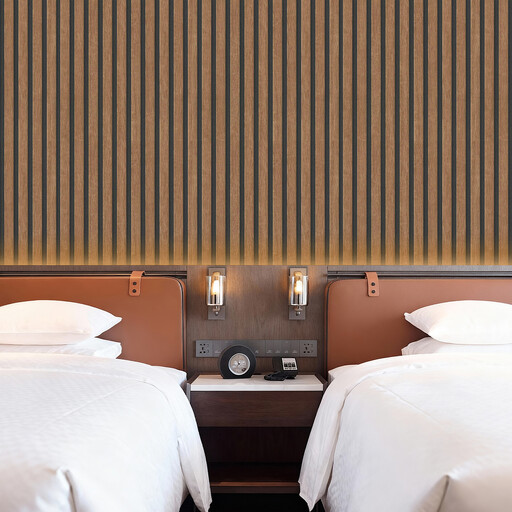
Why it stands out: This is an excellent alternative for those seeking the look of Akupanel wallpaper. The vertical black slats add depth and a sleek, architectural structure to a room.
Key Features:
Who it's for?: Ideal for fans of modern, Scandinavian, or Japandi styles who want to add the texture of wood panels without a complicated installation.
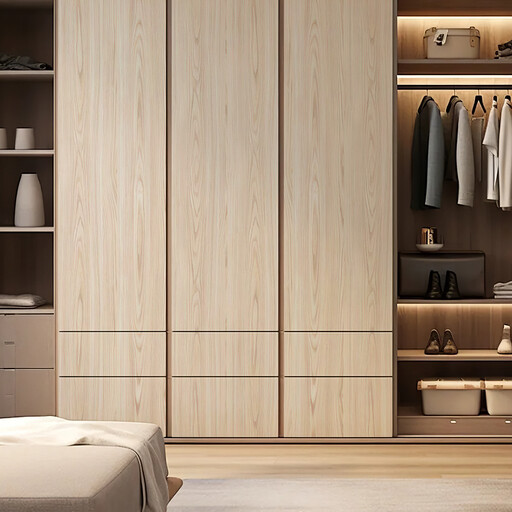
Why it stands out: This decorative film with a wood pattern has a light, warm honey colour that instantly makes a room feel brighter and more open. It's a subtle way to add natural texture.
Key Features:
Who it's for?: Perfect for anyone looking to refresh a hallway, home office, or bedroom with a natural and tranquil look. Also a great choice as wallpaper for a cabinet.
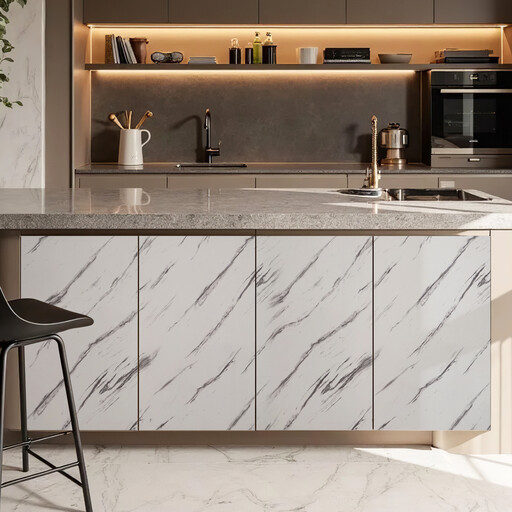
Why it stands out: This white marble-look adhesive film provides a clean, bright, and modern upgrade. It's more subtle than the black version and is ideal for brightening up dark corners.
Key Features:
Who it's for?: For those who want to create a fresh, minimalist look in the kitchen, bathroom, or laundry room, without the high cost and maintenance of real marble.
The possibilities with peel-and-stick wallpaper are endless. Are you looking for a different style, a unique texture, or a specific colour? Browse our full collection for more inspiration.
-> Discover more textured wallpaper here.
Yes, most PVC films are designed as removable wallpaper. They can typically be removed without leaving residue, especially on smooth, non-porous surfaces. Gently heating the surface with a hairdryer can help soften the adhesive. It is always recommended to test on a small, inconspicuous area first.
Peel-and-stick wallpaper adheres best to smooth, clean, and dry surfaces. Think walls with a satin or semi-gloss paint finish, lacquered wood, or metal. It is not recommended for use on heavily textured walls (like those with textured plaster), untreated wood, or in very humid areas such as directly inside a shower stall.
Patience is key. Work from top to bottom and peel the backing off bit by bit, not all at once. Use a soft cloth or a plastic squeegee to smooth the film as you remove the backing. Work from the centre outwards to push any air bubbles to the edges. If a bubble does appear, you can prick it with a thin needle and smooth the air out.
