
Vandaag of morgen in huis

Kwaliteit gegarandeerd

Welkomstaanbiedingen ontgrendelen: GRATIS bezorging | Tot 80% korting | Gratis 30 dagen JoyPlus-proefperiode
Download de app
A fresh look for your room, without the mess and hassle of glue and pasting tables. That's the promise of peel-and-stick wallpaper. Whether you want to give a rental property a personal touch, transform a dull wall into an accent wall, or give an old piece of furniture a new lease on life, this type of glue-free wallpaper offers a quick and affordable solution.
But with so many patterns and qualities available, the choice can be overwhelming. This guide is designed to help you. We'll provide practical tips for choosing the right product and share some popular choices to get you started on your next DIY wallpaper project.
Before you order a roll, it's wise to consider a few things. This will ensure you choose the right product for your specific situation.
Most self-adhesive wallpapers are made of vinyl wallpaper. This material is durable, often moisture-resistant, and easy to clean with a damp cloth, making it a practical choice for various spaces. The most important condition for a good result is the surface. Peel-and-stick wallpaper adheres best to a smooth, clean, and dry surface. Think of plastered walls, painted wood, or furniture panels. Adhesion will be less effective on a textured or uneven wall.
Consider where you will use the wallpaper. For a sleek, modern look, a geometric pattern can be a great choice, but keep in mind that the strips must align perfectly. An organic or botanical pattern is often more forgiving if the alignment isn't perfect. This type of adhesive film for walls isn't just for walls; it's also ideal as wallpaper for furniture. You can instantly upgrade a cabinet door, the back panel of a bookcase, or a drawer front.
A major advantage, especially for renters, is that many peel-and-stick wallpapers are removable wallpaper. This means you can take it down over time without damaging the underlying wall. The quality of the wallpaper and the adhesive is crucial here. Proper wall preparation (clean and dust-free) also helps prevent adhesive residue from being left behind. If removal proves a bit difficult, gently heating the wallpaper with a hairdryer can help soften the glue.
Below is a selection of products that are popular for their patterns and specifications.
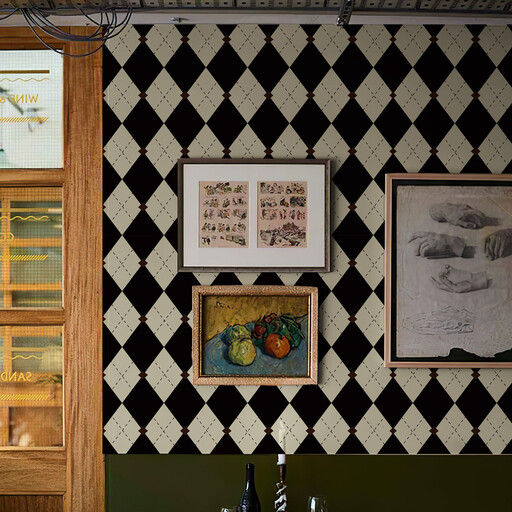
Why It Stands Out: This wallpaper instantly gives a space a sleek, graphic look. The black-and-white diamond grid creates a tile-like effect that pairs well with a modern or minimalist interior.
Advantages:
Who It's For: For DIYers who want to give a room a distinct, graphic structure. It complements simple furniture and neutral floors.
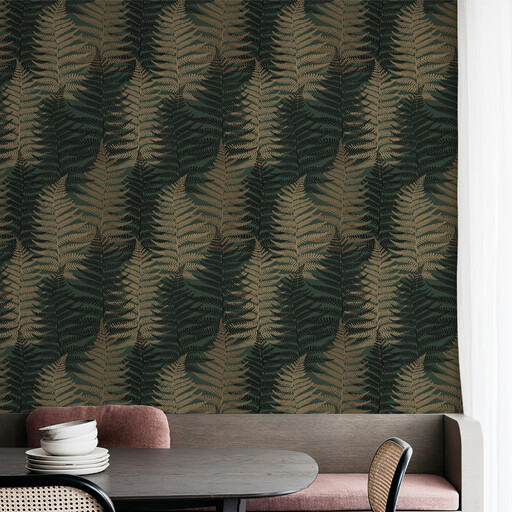
Why It Stands Out: The dark pattern with layered fern leaves adds depth and a natural atmosphere. It creates a calming and rich texture, ideal for a cosy corner in the living room or a home office.
Advantages:
Who It's For: For those who want to create an accent wall with a natural, botanical look. Also very suitable for covering furniture panels to create a cohesive theme.
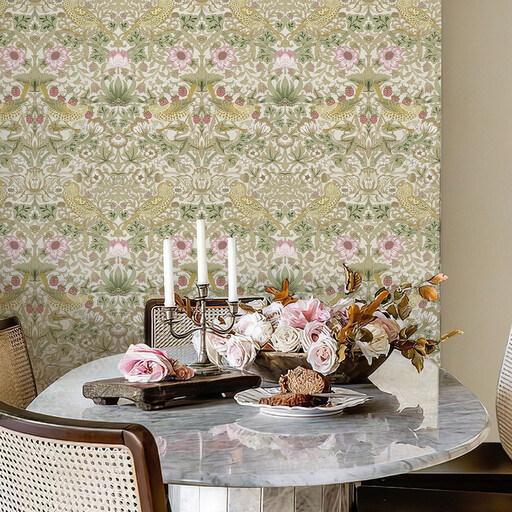
Why It Stands Out: This wallpaper, with its subtle pattern of strawberries and birds on a white background, creates a light, fresh, and airy atmosphere. It fits perfectly with a country, Scandinavian, or cottage-style decor.
Advantages:
Who It's For: For those looking for a cheerful and fresh pattern to give a room a light and inviting feel, without it becoming too busy.
Is your ideal pattern not among these? Every space and taste is different. For more inspiration and a wider range of styles and designs, you can browse our full collection.
-> Explore more options in our prints and printing category here
Yes, most types are designed as removable wallpaper. The quality of the product and proper surface preparation are key. Ensure the wall is smooth, clean, and dry. When removing, it can help to gently heat the wallpaper with a hairdryer on a low setting to soften the adhesive, making it easier to peel off.
Absolutely. It's a popular and effective way to give furniture a new look. It works best on smooth, non-porous surfaces like laminated wood, painted surfaces, or metal. Degrease the surface thoroughly before applying the wallpaper for furniture for the best adhesion.
Patience is key. Start at the top and peel off the backing little by little as you stick the wallpaper to the wall. Use a squeegee or a plastic card to smooth the wallpaper from the centre to the sides. If an air bubble does appear, you can gently peel back a section of the wallpaper and smooth it out again. For a small, stubborn bubble, you can prick it with a needle and rub the air out.
