
Vandaag of morgen in huis

Kwaliteit gegarandeerd

Welkomstaanbiedingen ontgrendelen: GRATIS bezorging | Tot 80% korting | Gratis 30 dagen JoyPlus-proefperiode
Download de app
By Joybuy Product Recommendation Officer, July 28, 2026
Are you tired of that one wall in your living room, or could your kitchen cabinets use a refresh? A full renovation is often expensive, time-consuming, and, if you're renting, usually not an option. Fortunately, there's a practical solution: peel and stick wallpaper. It allows you to give a room or piece of furniture a completely new look quickly and affordably, without any permanent commitment.
This article is designed to be a practical guide. We'll help you make the right choices based on product specifications and show you some popular options that suit various interior styles.
Before you place a roll of decorative film in your shopping cart, there are a few things you need to know. Proper preparation ensures a more professional finish.
Peel and stick wallpaper, also known as contact paper, adheres best to a smooth, clean, and dry surface. Think of painted walls (without texture), lacquered furniture panels, doors, or smooth cabinet fronts. Surfaces with a coarse texture, like textured plaster or untreated wood, are less suitable because the adhesive cannot bond evenly everywhere. Always make the surface dust- and grease-free before you begin. A small test in an inconspicuous area is recommended.
Most self-adhesive films are made of PVC vinyl. This material is durable, water-resistant, and easy to clean with a damp cloth. That makes it an excellent choice as kitchen contact paper for a backsplash (outside the direct heat zone of the stove) or for updating a bathroom vanity. In terms of style, the options are endless. A marble-look wallpaper provides a luxurious feel, while a solid color creates a sense of calm. Botanical prints or subtle textures can bring a dull wall to life.
Measure the surface you want to cover accurately and order about 10% extra. This gives you a margin for cutting errors and any necessary corrections. Another important point: try to order all the rolls you need for one project at the same time. Although manufacturers strive for consistency, minimal color differences can occur between different production batches. This ensures that your entire wall or all your cabinet doors have the exact same shade.
Based on specifications and popular styles, we have selected three different types of peel and stick wallpaper.
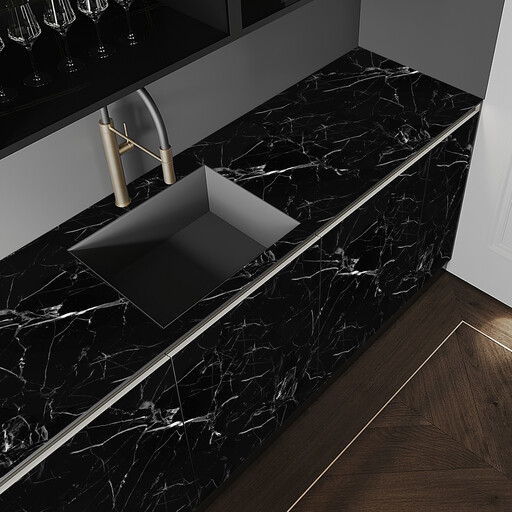
Why it stands out: This marble-look wallpaper instantly creates a statement. The deep black with contrasting white veins mimics the appearance of natural stone and imparts a sense of luxury. The extra-long roll helps to minimize the number of seams on a large surface.
Advantages:
Who is it for? For anyone looking to give a space a bold and modern upgrade. It works particularly well as an accent wall in a living room or bedroom, or to give a standard sideboard or set of cabinet doors a chic look.
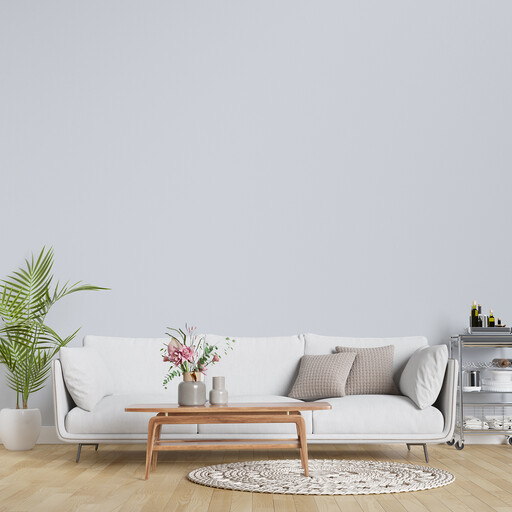
Why it stands out: This light grey contact paper for furniture and walls is the definition of versatile. The neutral color fits with almost any interior, from modern to Scandinavian. The subtle texture adds just enough depth to be interesting without being overpowering.
Advantages:
Who is it for? Ideal for those looking for a safe yet stylish choice. Perfect for a full wall in the bedroom, the hallway, or to give a complete set of kitchen cabinets a fresh, cohesive look.
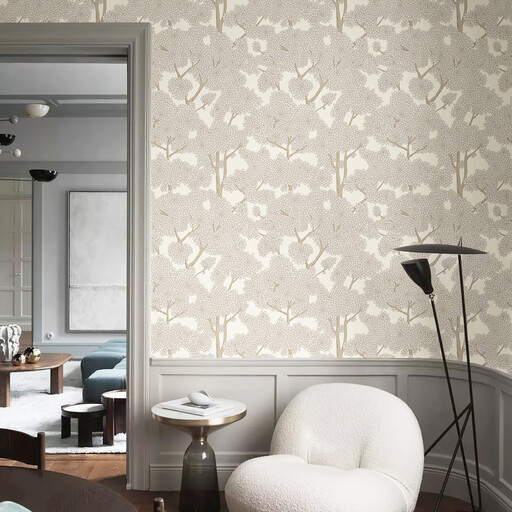
Why it stands out: This removable wallpaper brings a touch of nature into your home with a timeless design. The grey silhouettes of branches on a light background are calming and pair well with natural materials like wood and linen.
Advantages:
Who is it for? For those who want to create a calm, organic atmosphere. Think of an accent wall in the hallway, the back panel of an open cabinet, or updating a chest of drawers. It's a great choice for both rental properties and owned homes.
If your perfect style isn't here or you're curious about other patterns and colors, there is a wide range of self-adhesive decorations available, from solid colors to wood and stone motifs.
? See more options in the Peel and Stick Wall Decor category here.
Yes, one of the major advantages of this type of wall decal or film is that it's designed to be removable. That's why it's a popular choice for renters. Gently heat the film with a hairdryer to soften the adhesive, then slowly and carefully peel it off. It usually leaves no residue on a well-prepared, smooth surface.
Absolutely. Contact paper for furniture is an excellent way to give old cabinets, tables, doors, or drawers a new lease on life. As long as the surface is smooth, clean, and non-porous, the film will adhere well. It's a cost-effective alternative to painting or replacing.
Patience is the key here. Start at the top and peel back only a small portion of the backing paper. Adhere the first section and smooth it out with a squeegee or a soft cloth. Work from the center outwards. Gradually pull off more of the backing as you continue to smooth the film. If an air bubble does appear, prick it with a needle and press the air out.
