
Anyone who wants targeted airflow by the sofa
You want to be able to direct the airflow at sitting height and sometimes reach more than one seat. So look for height adjustment, tilt and oscillation.


Start with a fan that lets you direct the airflow at sitting height and has a stable base that fits outside the walkway. Then compare the noise on the setting you actually need: a stated minimum figure doesn’t tell you how loud the other settings are.
You want to be able to direct the airflow at sitting height and sometimes reach more than one seat. So look for height adjustment, tilt and oscillation.
You sit close to the fan and want useful airflow without distracting noise. Compare the noise at different settings; Which? measures airflow strength at different distances and speeds, among other things.
You want to place the fan beside the sofa without blocking the walkway. Measure the space for the base, and allow for stability and the room needed for oscillation.
First measure the available space and decide where you want the airflow to reach; then compare the noise at a useful setting.
| What to consider | What to look for | Who should pay particular attention? |
|---|---|---|
| Airflow at your seat | Check the height, tilt and oscillation to suit the distance from the sofa and your preferred sitting height. | If I want to feel the airflow at sitting height by the sofa and sometimes reach more than one seat, I look at the direction and spread. Around 33% of consumers give targeted airflow top priority. |
| Noise at a useful setting | Compare noise and airflow at the settings you need by the sofa; a minimum figure doesn’t automatically apply to every setting. | When I’m reading, chatting or studying close to the fan, I want the noise not to dominate while the airflow is still noticeable. Around 27% of consumers prioritise quiet operation. |
| Floor space and stability | Measure the space for the base and the area needed for swivelling. Place the fan on a stable surface and keep any cord out of the walkway. | If there’s little space beside the sofa, I want a clear walkway and a stable spot so I don’t have to keep moving the fan. Around 20% of consumers give placement and space top priority. |
| Controls and energy use | Check the controls, timer and power consumption of the exact model. | If I use the fan regularly, I want it to be easy to adjust and its energy use easy to estimate. Around 20% of consumers give controls and energy use top priority. |
The fan may be noisier on the setting you need from the sofa than the minimum figure suggests.
Compare noise and airflow at each speed and distance. Don’t assume a stated minimum figure describes the noise level at every setting.
The base and cord could get in the way beside the sofa. A tall fan may also be top-heavy.
Measure the space for the base and the area needed for oscillation. Place the fan on a stable surface and keep any cord out of the walkway.
Duux describes the battery for the Whisper Flex² Smart as optional, so the specific version and the parts included matter.
Before buying, check the exact version, what’s in the box and the battery life at the setting you want to use.
The VE-5893 is a conventional height-adjustable pedestal fan with controls on the unit. The VE-5849 adds a remote control and timer for that specific model.
According to Duux, the Whisper Flex² Smart can be used as either a table or pedestal fan and offers remote control.
The Vento 3DS Silent Comfort has an adjustable height, while the Vento Cordless Telescopic is a smaller battery-powered model.
The 2000 Series CX2550/00 pedestal fan is worth comparing if you’re looking for different speeds, modes and a timer.
These product picks focus on adjustable floor or pedestal fans for airflow by the sofa; check that each version’s airflow and positioning suit your room.
 No image available
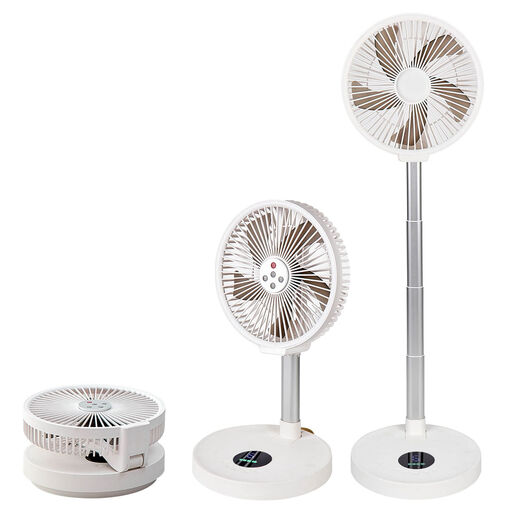
An option if you’re looking for an adjustable fan that folds away; check that it can reach the sofa from your chosen position.
The product title lists 7200 mAh, six speeds, a timer, remote control and adjustable height.
 No image available
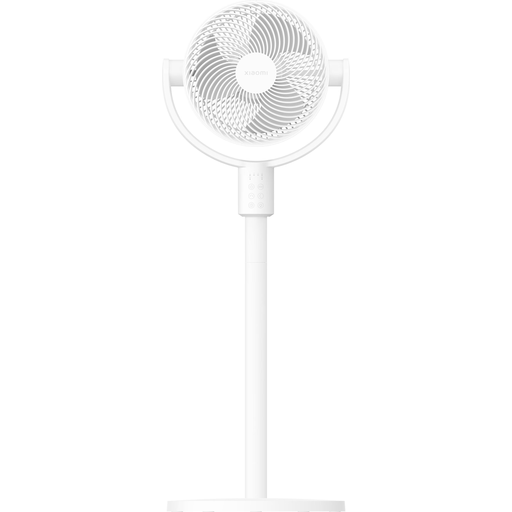
For anyone looking for a pedestal model with a range of settings; assess the noise at the setting you plan to use beside the sofa.
The product title lists two modes, 100 speeds, 3D automatic oscillation and adjustable height.
 No image available
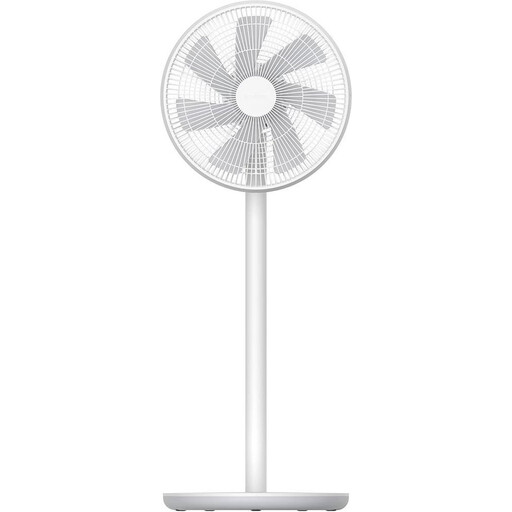
Worth considering if app control and adjusting the airflow are important to you; check the positioning if you also want to use it as a table fan.
The product information lists app control, 100 speeds, two wind modes, adjustable height and automatic oscillation.
 No image available
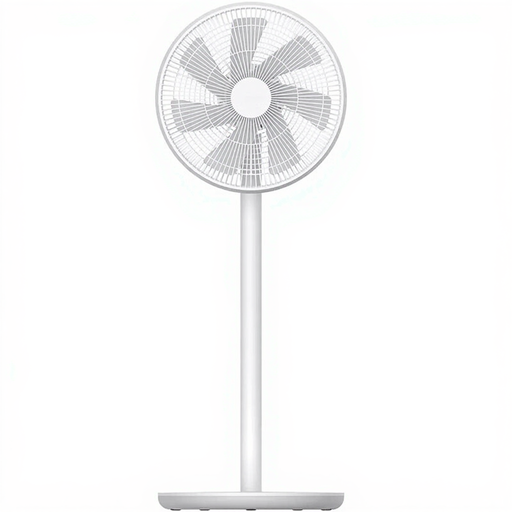
For anyone looking for adjustable height and a wide spread of airflow; measure the floor space and check how the chosen set-up will work by the sofa.
The product title lists seven blades, app control, 90° oscillation and adjustable height.
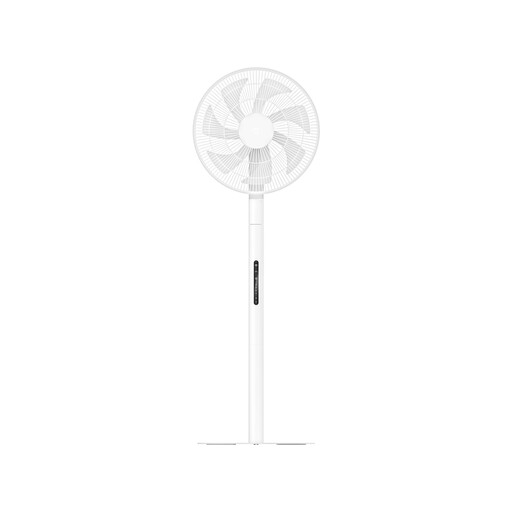 No image available
An option if you want to control the fan from the sofa; first check which controls you’d actually use day to day.
The product title lists app, remote and touch controls, plus USB-C charging support.
No. A fan is designed to create a noticeable flow of air around your seat, not to cool the room like an air conditioner. You should also make sure fresh air can come in and stale air can escape: moving air around isn’t the same as ventilation, as Milieu Centraal explains.
Place the base on a stable surface, outside the walkway, and leave room for it to oscillate. Which? warns that a tall fan can be top-heavy. Follow the instructions for your exact model when assembling and cleaning it, and keep electrical parts away from water.
To calculate energy use in kWh, multiply the power in kW by the number of hours the fan is used. If a product doesn’t meet reasonable expectations during normal use, the seller is responsible under the legal guarantee. ACM ConsuWijzer also says that online purchases generally come with a cooling-off period of up to 14 days after delivery, subject to legal exceptions.
That depends on the product rules that apply to the exact version. The Netherlands Food and Consumer Product Safety Authority outlines the requirements for electrical products; don’t automatically assess a battery-powered version against the voltage range covered by low-voltage rules. CE is a declaration by the manufacturer, not proof of an independent consumer test.