
Reader with a regular bedroom chair
Wants to direct the airflow at sitting height and, if needed, have it swivel away from the chair. Height, tilt and the option to switch off oscillation are therefore important differences.


Start with a model that lets you adjust the height and direction to suit where you sit. Then decide whether you want a steady breeze or air circulated by oscillation. If you also use the room for sleeping, compare the noise on the setting you’ll actually use and consider whether a timer or remote control would be useful. A fan moves air, but it doesn’t replace the supply of fresh air.
Wants to direct the airflow at sitting height and, if needed, have it swivel away from the chair. Height, tilt and the option to switch off oscillation are therefore important differences.
Wants a useful gentle setting and easy adjustment from the chair or bed. Check the conditions behind noise claims, as well as the timer and remote control.
Needs a fixed position and a few speed settings, and only wants extra features if they solve a specific problem.
Start with where you sit and the direction you want the air to flow. Then compare noise, controls and the features you’ll actually use.
| What to consider | What to look for when buying | Who is this important for? |
|---|---|---|
| Directing air towards your seat | Measure the space beside the chair and compare it with the fan’s height range, tilt and the option to switch off oscillation. | If I want the same breeze beside my chair every time, I’ll check the direction and adjustability. Around 40% of consumers put airflow where they sit first. |
| Noise while sleeping | Check the noise level on the setting that gives you enough airflow; a night mode doesn’t mean every setting is quiet. | If I also use the bedroom for sleeping, I want to know how noisy the useful setting is. Around 30% of consumers put a good night’s sleep first. |
| Controls from the chair or bed | Compare the height range and position of the controls, and check whether the model comes with a remote control or timer. | If I use the fan in different places, I want to be able to change the settings without walking over to it. Around 20% of consumers prioritise flexible use and controls. |
| Energy use and simplicity | Compare the stated power in watts on a like-for-like basis and decide whether you need extra settings, a timer or remote control. | If the fan usually stays in one place, I don’t want to pay for features I won’t use. Around 10% of consumers prioritise a simple design and energy use. |
Noise and airflow depend on the specific setting. On the VU5690 product page, Rowenta lists both 32 and 35 dB(A) for the quiet setting.
Check which setting and measurement conditions the figure refers to, and whether that setting gives you enough airflow where you sit.
A fan doesn’t automatically remove stale indoor air or bring in fresh air from outside. Milieu Centraal explains ventilation as supplying fresh air and removing polluted air.
Use the fan for a comfortable airflow, and make sure your home is ventilated appropriately for the situation.
The Consumers’ Association reported that a previously identified grille issue with the Duux Whisper DXCF03 had been resolved in the new version. This information doesn’t automatically apply to other models or versions.
Check the full model number and, where relevant, the version and grille. Follow the assembly and operating instructions for the exact model.
The VE-5755 is an example of a pedestal fan with button controls and adjustable airflow for a regular sitting position.
The white Whisper 2 Flex DXCF71 described by the Consumers’ Association is worth considering if adjustability and control from a chair or bed are important to you.
The Turbo Silence Extreme VU5690 is a model to compare if you want a night mode and remote control.
These pedestal fans offer features for adjusting airflow and controlling the fan when using it beside a seat or in the bedroom.
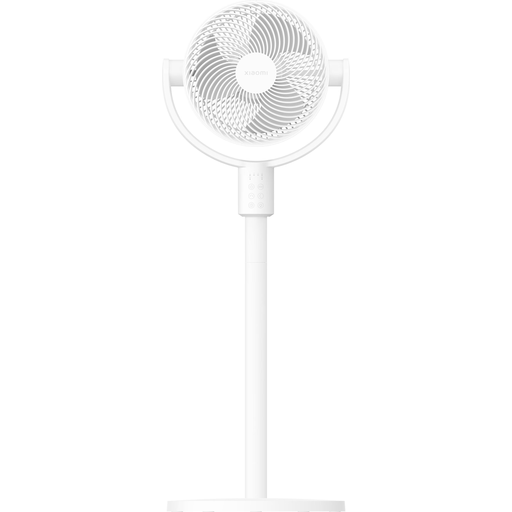 No image available
Works well for a regular sitting position if you want to adjust the height and spread of the airflow.
This model lists 100 speeds, a sleep mode, adjustable height and 3D oscillation. Compare the noise on the setting you’ll actually use.
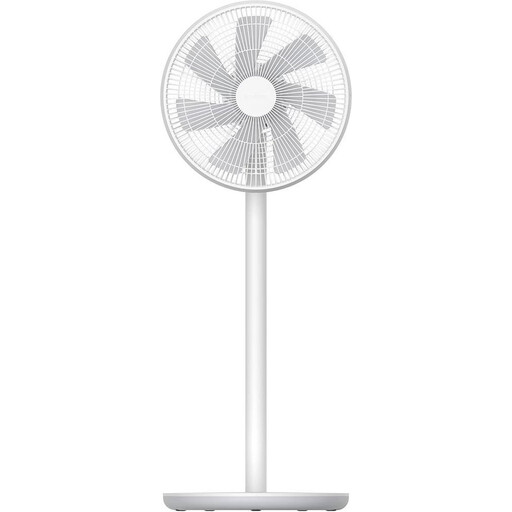 No image available
An option for a sitting position where you want to direct the airflow and adjust the settings in an app.
This model lists adjustable height, 90° oscillation, app control and 100 adjustable speeds.
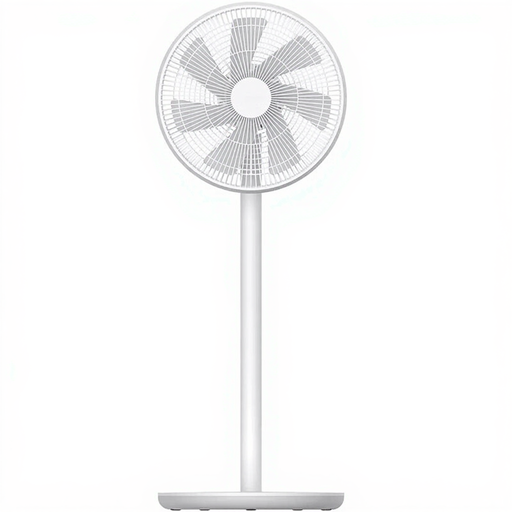 No image available
Suitable if you want to direct the airflow at an adjustable height and have several ways to control the fan.
This model lists 90° oscillation, adjustable height, and control via app, remote and touch.
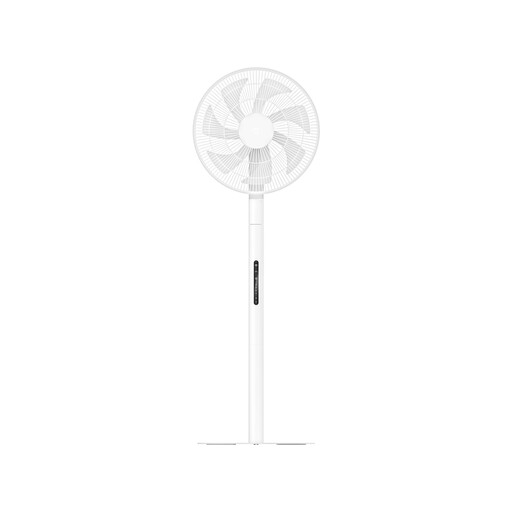 No image available
An option if you want to adjust the settings from your chair or bed.
This model lists app, remote and touch control, 100 speeds, an airflow range of 14 m and support for portable charging via Type-C.
A fan creates airflow, but it doesn’t automatically remove stale indoor air or bring fresh air in from outside. Your home’s ventilation system still needs to supply and remove air.
Check that the base is stable, that you can direct the fan head towards your chair and that you can switch off oscillation if you want to. Follow the instructions for the exact model when assembling, using and cleaning it; keep the grille clear and switch the fan off before working on it.
A fan must carry the CE mark if the applicable CE legislation requires it for that model. The Netherlands Food and Consumer Product Safety Authority explains the rules for electrical appliances; check which requirements and markings apply to the specific product.
If the problem is covered by the statutory guarantee, the seller must provide a solution. The Government of the Netherlands distinguishes between statutory guarantee and any additional guarantee; check the terms and conditions for the latter.