
Cooking for a large festive gathering
You want to cook enough pearl barley in one go, so you compare the combined amount of grain and liquid with the inner pot’s fill limit.


First, choose a multicooker that can hold your planned amount of pearl barley and cooking liquid within the fill limit for that exact model. A pressure model may be suitable if you follow its model-specific instructions for foaming grains and pressure release. With a non-pressure model, you can check how the barley is cooking as you go, but you won’t have a pressure-cooking stage. Also check the CE marking on the specific appliance: the NVWA’s general rules do not automatically confirm that an individual model complies.
You want to cook enough pearl barley in one go, so you compare the combined amount of grain and liquid with the inner pot’s fill limit.
You’re considering a pressure function to plan the cooking stage, while also taking the required pressure release and warnings about foaming grains into account.
You want to check how the barley is cooking along the way, so you look for a cooking, rice or grain programme that doesn’t use pressure.
First work out how much grain and cooking liquid the pot can hold together. Then compare the cooking method with the time you have before serving.
| What to consider | What to look for when buying | Who is this important for? |
|---|---|---|
| Batch size in one cooking session | Compare the combined amount of grain and liquid with the inner pot’s fill markings; plan to cook in batches if needed. | For a large meal, I want to know whether all my pearl barley will fit in one go. Around 36% of consumers put batch size first. |
| Serving time | Check whether the exact model supports pressure cooking, and include pressure release in your schedule. | If I have a set serving time, I want to plan the cooking stage and any pressure release in advance. Around 29% of consumers prioritise timing. |
| Adjusting the texture | Check which cooking or grain programmes the model offers; a programme name is not a pearl barley recipe. | If I want to check the texture as it cooks, I look for the option to cook without pressure. Around 21% of consumers prioritise control over how the food cooks. |
| Cleaning and handling | Check which parts are dishwasher-safe and how to handle the hot inner pot safely. | After a festive meal, I want the pot to be easy to handle and clean. Around 14% of consumers give cleaning and post-cooking use top priority. |
The maximum fill level can vary by model and food type. The Tefal RK8121 manual limits the combined amount of ingredients and water to the highest mark; an Instant Pot Pro WiFi manual gives a model-specific warning about foaming foods.
Use the inner pot and manual for the exact appliance to work out your batch size, rather than relying only on the number of litres shown on the packaging.
A rice or grain programme doesn’t prove that the appliance has a specific pearl barley setting. Instant Pot’s pearl barley recipe gives its own pressure-cooking and pressure-release steps.
Follow a recipe that suits your model’s cooking method and, if needed, try it with a smaller amount first.
Worth considering if you’re looking at a pressure multicooker for pearl barley.
The models mentioned offer different cooking options: the RK8121 has rice and grain programmes, while the Turbo Cuisine CY7548 has a pressure function.
The Good To Go is worth considering if you want a multicooker with cooking, rice and keep-warm functions, without a pressure function listed on the product page mentioned.
This selection includes models with a pressure function and models with rice or grain functions. For pearl barley, always check the fill limit, recipe instructions and CE marking for the specific appliance.
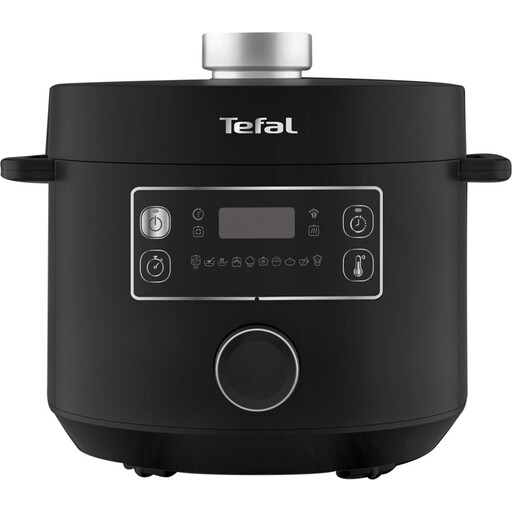 No image available
A good fit if you’re considering a pressure-cooking method for pearl barley; the manufacturer lists a pressure-cooking programme for this model.
Tefal lists 10 automatic programmes. Check the model-specific fill limit and grain instructions before planning a larger batch.
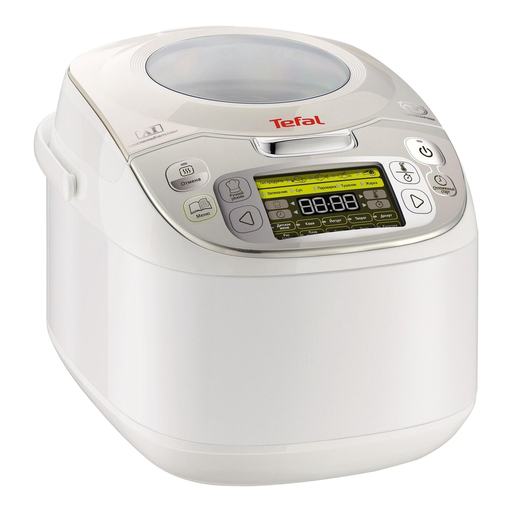 No image available
An option if you’re looking for rice and grain programmes and would prefer to check how the food is cooking without a listed pressure function.
The Tefal manual lists Rice/Cereals and Pilaf/Risotto, but no specific pearl barley setting. Keep the combined amount of ingredients and water below the highest mark in the inner pot.
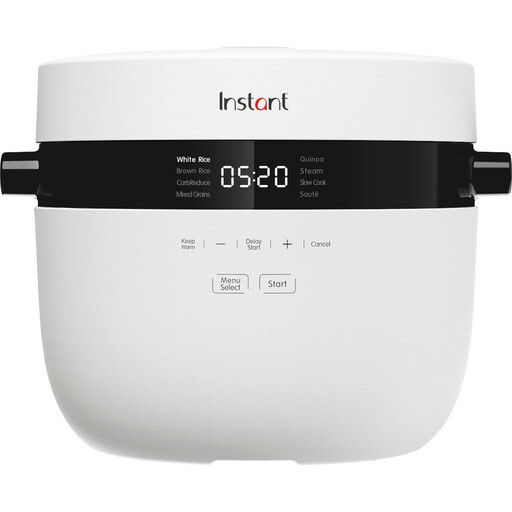 No image available
A good fit if you’re looking for an appliance designed for cooking rice and grains, according to its product name.
The product name lists a 5 L capacity and an 8-in-1 design. Check the manual to see whether pearl barley and your chosen batch size are covered by the instructions.
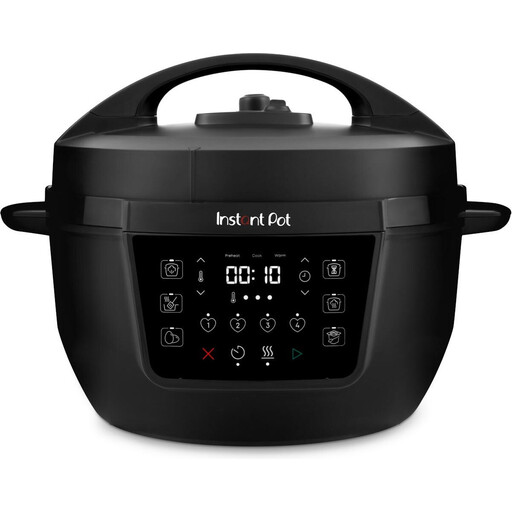 No image available
A pressure model to consider if you want to plan the cooking stage under pressure.
The product name lists a 7.1 L capacity. Nominal capacity doesn’t determine how much pearl barley and liquid you can cook safely; check this model’s fill limit and cooking instructions.
 No image available
A good fit if you’re considering a pressure model with several preset programmes for a meal with a number of guests.
The product name lists a 7.6 L capacity and the product information mentions 12 programmes. The warning about expanding grains specifies a half-fill mark; follow the pressure-release instructions too.
Don’t automatically scale a recipe up to the pressure cooker’s maximum capacity. The Instant Pot recipe serves four; a Pro WiFi manual warns that pearl barley can foam and block the steam outlet. Follow the fill limit and instructions for the exact model.
No. A programme name alone doesn’t confirm that there’s a pearl barley setting. The Tefal RK8121 manual lists Rice/Cereals and Pilaf/Risotto; also check whether your model’s manual describes a suitable way to cook pearl barley.
The NVWA states that CE marking is compulsory for electrical consumer products covered by the relevant rules. Check the marking and model details for the specific appliance; the general rule doesn’t automatically confirm that an individual model complies.
According to Voedingscentrum, you can keep cooked leftovers covered in the fridge for up to two days. This advice doesn’t mean that keeping food warm for a long time in a particular appliance is safe.