
Vegan athletes
You’re looking for a simple plant-based snack that contributes to your protein intake. Compare the protein per portion and consider it as part of your overall diet, rather than judging it by sporty packaging alone.


Plain, unsalted peanuts can contribute plant-based protein to your diet, but compare the nutritional values with the portion you actually eat. The Netherlands Nutrition Centre lists 6.3 g of protein and 157 kcal for a 25 g handful of unsalted peanuts; that’s a contribution to your diet, not a complete post-workout meal. Also check the ingredients and allergen information on the exact pack.
You’re looking for a simple plant-based snack that contributes to your protein intake. Compare the protein per portion and consider it as part of your overall diet, rather than judging it by sporty packaging alone.
You want to be able to check the ingredients in the exact pack. A vegan label and the ingredients list can help, but allergens always need to be checked separately.
You often eat peanuts as a snack or add them to a meal, and want to find a suitable pack size. Consider how you’ll reseal and store an opened pack.
First compare the nutritional values per portion, then check the ingredients, salt content and packaging. This helps you assess the protein contribution in relation to the amount you eat.
| What to consider | What to look for | Who is this important for? |
|---|---|---|
| Protein per portion | Compare protein and energy for the same portion size; use the nutritional information on the pack. | If I have peanuts as a snack around a workout, I want to know what my own portion contributes. Around 36% of consumers put protein content first. |
| Plant-based ingredients | Read the ingredients and check whether the exact variety is labelled vegan. | When I’m looking for a plant-based option, I want to be able to check the pack itself. Around 29% of consumers prioritise this check. |
| Portion, energy and salt | Compare kcal and salt on the same weight basis, and decide what quantity suits your eating habits. | If I want to weigh up my portion and nutritional balance, I look at both energy and salt. Around 21% of consumers make this their first priority. |
| Packaging and use | Check the weight and storage instructions; seal the pack carefully after use. | When I use peanuts regularly, I look for a quantity I can store carefully. Around 14% of consumers start by considering the packaging and overall cost of use. |
The nutritional information on a pack doesn’t automatically tell you how much protein is in your portion. The Netherlands Nutrition Centre lists 6.3 g of protein and 157 kcal for 25 g of unsalted peanuts.
Weigh your portion if you want to compare it, and use the information for the exact pack.
A vegan label doesn’t replace checks for peanuts or other allergens. Allergen information applies to the specific pack.
Read the ingredients and allergen information separately, even when a product is labelled vegan.
Unsalted means you’re choosing a different option from one with added salt; on its own, it says nothing about the energy per portion.
Compare the nutritional values and take the amount you eat into account.
Nuts should be kept dry and in a well-sealed pack. So if you open a pack often, it’s important to follow the storage instructions.
Choose an amount that suits your needs, and seal the pack after each portion.
The range includes plain salted and unsalted peanuts, as well as marinated and coated varieties.
The own-brand AH Unsalted Peanuts 500 g are an option if you’re looking for a larger pack.
The unsalted Kingsize variety is available in a 350 g pack.
Lidl lists unsalted peanuts and also sells coated varieties as part of its Alesto range.
ALDI describes Trader Joe’s 250 g peanuts as roasted and unsalted.
PLUS Unsalted Peanuts 250 g are an own-brand variety with an explicit vegan label.
This selection includes unsalted and salted peanuts, including peanuts in their shells. Check the ingredients, nutritional values and allergens on each pack; an unsalted variety isn’t automatically labelled vegan.
 No image available
An unsalted variety to consider if you want to compare the ingredients and nutritional values on each pack.
Ingredients: 99% peanuts and sunflower oil. Protein: 27 g per 100 g. Salt: 0.02 g per 100 g.
May contain cashews; check the allergen information.
 No image available
A roasted, unsalted option if you’re looking for a simple peanut snack.
The product information lists 100% peanuts. Protein: 26 g per 100 g. Salt: 0.02 g per 100 g.
Contains peanuts.
 No image available
This variety is a good fit if you like to shell your own peanuts; bear in mind that you’ll need to shell them before eating.
The product information lists peanut as an ingredient. Protein: 29 g per 100 g. Salt: 0.12 g per 100 g.
May contain traces of other nuts. The peanuts are still in their shells and need to be shelled before eating.
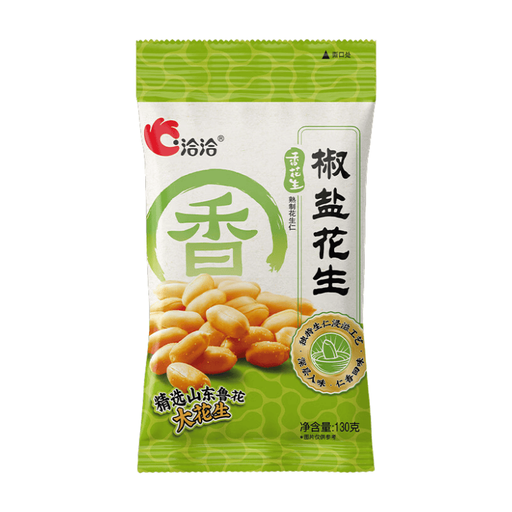 No image available
A salted variety to compare if you prefer peanuts with added salt.
The ingredients list includes peanuts, palm oil, salt and flavourings. Protein: 23.5 g per 100 g. Salt: 1.5 g per 100 g.
Contains peanuts. Do not eat the sachet of desiccant.
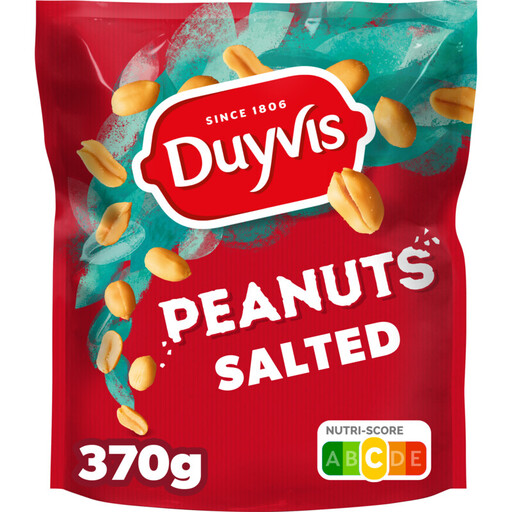 No image available
A salted variety to assess by checking the ingredients, protein and salt per portion.
The ingredients list includes peanuts and sunflower oil. Protein: 26 g per 100 g. Salt: 0.73 g per 100 g.
May contain other nuts. Not recommended for children under 5 due to the risk of choking.
No, think of it as a contribution to your overall diet. The Netherlands Nutrition Centre lists 6.3 g of protein for 25 g of unsalted peanuts. Your overall diet and other plant-based protein sources still matter too.
No. A vegan label doesn’t replace checking for allergens. The AH and PLUS varieties described here contain peanuts; PLUS also warns that they may contain cashews. Always read the information on the exact pack.
Follow the instructions on the pack and seal it carefully after use. For AH Unsalted Peanuts 500 g, Albert Heijn recommends storing them in a cool, dark and dry place. The Netherlands Nutrition Centre also advises keeping nuts dry and in a well-sealed container.
Not necessarily: the product information for the AH and PLUS varieties warns that young children may choke on peanuts. Bear this warning in mind when choosing and serving these products.
Do not eat the product with a best-before date of 04-11-2026. Albert Heijn’s warning of 20 May 2026 concerns that specific tub of salted peanuts, due to the possible presence of metal fragments. Albert Heijn says you can return it; the warning doesn’t automatically apply to other best-before dates or varieties.
Not based on weight alone. Compare the current price per kilo for the same type of product, and choose an amount you can store carefully. The pack sizes of the varieties described here differ, but that alone doesn’t indicate better value.