
Students stocking up on a budget
You want to have enough peanuts in your new room and are working out what quantity suits your needs. Packs of 500 g and smaller 250 g packs are available, including from Jumbo and Albert Heijn.


Choose 500 g if you eat peanuts regularly or share them with housemates; start with a smaller pack if you’re not sure how much you’ll use. For an everyday supply, an unsalted option fits the Netherlands Nutrition Centre’s advice, while salted peanuts are a different choice for a snack. A larger bag needs to be stored in a tightly sealed, dry place once opened.
You want to have enough peanuts in your new room and are working out what quantity suits your needs. Packs of 500 g and smaller 250 g packs are available, including from Jumbo and Albert Heijn.
You want to find out how many peanuts you eat before keeping a large opened pack. Smaller packs are one option; store peanuts in a tightly sealed, dry place, as advised by the Netherlands Nutrition Centre.
You’re buying for shared snack breaks and choosing between an unsalted supply and a salted snack. Keep the original label so you can refer to the ingredients and allergen information.
| What to consider | What should you check? | Who is this important for? |
|---|---|---|
| How much to stock up on | Choose a smaller pack if you’re not sure how much you’ll use; consider 500 g if you eat peanuts regularly or share them. | If I’m stocking up for myself or my housemates, I want a quantity I can store properly after opening; around 40% of consumers say having the right amount in stock is their top priority. |
| Unsalted or salted | Check the pack to see whether the peanuts are salted. The Netherlands Nutrition Centre distinguishes between unsalted and salted nuts. | If you’re choosing peanuts for an everyday supply, unsalted is a good option to start with; around 30% of consumers put this nutritional choice first. |
| Preparation and product type | Check whether they’re plain, roasted or marinated peanuts, and whether they have a coating. | For a particular snack break, I want to choose the flavour and type I’m after without treating different products as the same; around 20% of consumers put this preference first. |
| Labelling and storage | Keep the label and follow the storage and best-before information on the pack. | If I’m sharing the supply or transferring it to a storage container, I want to be able to check the ingredients and allergen information; around 10% of consumers put this information first. |
A larger bag means more peanuts to store once opened. The Netherlands Nutrition Centre advises keeping nuts in a tightly sealed, dry place.
Start by choosing a quantity that suits how much you eat or how many housemates will be sharing it.
Preparation, salt and any coating can vary. Duyvis describes fried, roasted and marinated peanuts, among other varieties; the brand also distinguishes nuts with a batter coating.
First decide whether you want an everyday supply or a particular snack, then check the product description.
The label includes product and allergen information. According to the Netherlands Nutrition Centre, the best-before date applies to unopened packaging.
Keep the label with your supply and follow the storage instructions for opened packs.
A brand to consider if you’re looking for a particular preparation method or snack variety.
A supermarket own-brand option with smaller unsalted packs and larger salted packs.
A supermarket own-brand option with smaller and larger packs, in both salted and unsalted varieties.
A supermarket option if you’re looking for unsalted peanuts.
A supermarket option with Trader Joe’s peanuts in different preparations and pack sizes.
A supermarket own-brand option with salted and unsalted peanuts in 500 g bags.
This selection includes packs from 210 to 500 g, whether you’re looking for a smaller starter supply, a quantity to share or a particular snack variety.
 Image unavailable
An option for sharing as a snack, if you don’t mind shelling the peanuts.
The pack contains 500 g of peanuts in their shells. The product description suggests eating them straight from the shell or using them in dishes. Contains peanuts.
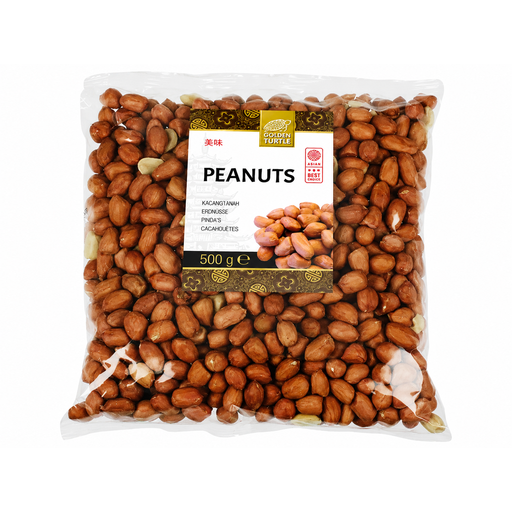 Image unavailable
A good choice if you want to prepare a larger quantity yourself; you’ll need to roast the peanuts to make a roasted snack.
The pack contains 500 g of raw peanuts with skin. The product description suggests roasting, boiling or using them in dishes. Contains peanuts.
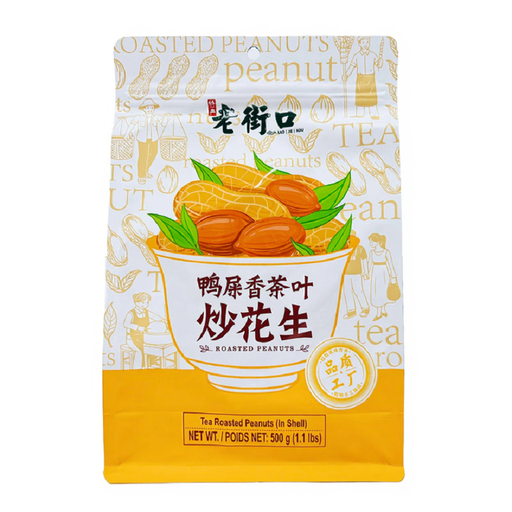 Image unavailable
A distinctive tea and salt variety for sharing as a snack, rather than the same choice as a regular supply of unsalted peanuts.
The product description lists 96% peanuts and 1,37 g salt per 100 g. Contains peanuts.
 Image unavailable
A smaller pack of unsalted peanuts if you want to find out how much you’ll use first.
The pack contains 250 g. The product description lists 99% peanuts and sunflower oil; may contain traces of cashew nuts.
 Image unavailable
A smaller pack of roasted, unsalted peanuts if you don’t want to stock up on a larger quantity straight away.
The pack contains 210 g; the product description lists 100% peanuts. Contains peanuts.
It’s a good fit if you eat peanuts regularly or share them with others. If you’re not sure how much you’ll use, start with a smaller pack and follow the storage instructions once it’s opened.
Keep the peanuts in a tightly sealed, dry place and follow the instructions on the pack. The Netherlands Nutrition Centre recommends storing nuts at 10 to 15 °C, so don’t keep your supply right next to a heat source.
No. According to the Netherlands Nutrition Centre, the best-before date applies while the pack is unopened. After opening, follow the storage instructions on the pack.
Choosing a different salted variety doesn’t change the fact that they’re peanuts. Don’t share them as a suitable snack with someone who has a peanut allergy; follow their individual allergy advice.
The Netherlands Food and Consumer Product Safety Authority states that allergen information must appear on the label of pre-packed products. New rules have also applied since 1 January 2026, setting out how and when food businesses must warn about allergens that accidentally get into food. These precautionary warnings are different from peanuts that are deliberately included as an ingredient.