Who are these options relevant to?

School snackers keeping an eye on portions

You want to take peanuts with you for a day at school or studying, and decide in advance how much you’ll eat. In that case, the nutritional value per 100 g and a weighed portion are more useful than a low-calorie claim. Duyvis, Albert Heijn and PLUS provide nutritional information for specific varieties.

Parents packing a school lunchbox

You’re looking for something for your child, but school rules, allergens and safe eating matter more than calorie comparisons. The Netherlands Nutrition Centre points out that children need enough nutrients to grow, while the Netherlands Food and Consumer Product Safety Authority lists peanuts as an allergen.

Households that like to plan ahead

You include school snacks in your regular shop and want a pack you can portion out and store at home. Albert Heijn lists twelve 25 g portions in its 300 g bag. A larger pack doesn’t automatically mean a suitable portion.

What should you look for when buying?

Weighing out unsalted peanuts

A good fit if: you want to keep eating peanuts and mainly want to control how much you have at each snack time.

Bear in mind: a smaller portion doesn’t make the product itself low in calories.

Roasted or dry-roasted

A good fit if: you’re looking for a specific preparation method. ALDI lists roasted, unsalted peanuts, while Jumbo has a dry-roasted range.

Bear in mind: the preparation method alone doesn’t tell you how much energy the product contains; check the nutritional information for the exact variety.

A different school snack

A good fit if: peanuts aren’t allowed under your school’s rules, or you’re looking for a different snack for a child. The Netherlands Nutrition Centre suggests vegetables and fruit as snacks for children aged 4 to 12.

Bear in mind: this is a different snack choice, not an identical substitute. Check the school rules and choose something your child can eat safely.

What to consider What to look for Who is this most relevant to?
Energy per portion Compare kcal per 100 g for the exact variety, then weigh out your portion. Duyvis lists 614, Albert Heijn 620 and PLUS 625 kcal per 100 g. When I weigh out a snack for a school day, I want to know how much energy my chosen portion provides. Around 31% of consumers put portion control ahead of other shopping priorities.
School rules and safe eating Check whether peanuts are allowed and read the ingredients and warnings on the pack. Peanuts are an allergen; whole peanuts need extra care for children who may not be able to chew them properly. When I pack a lunchbox for a child, the snack and the way they eat it need to suit the school rules and the child’s needs. Around 25% of consumers put school safety first.
Unsalted ingredients Check the salt, ingredients and energy separately. ‘Unsalted’ doesn’t automatically mean ‘low in calories’. When I’m mainly looking for an unsalted variety, I want to check what’s in it without confusing salt and energy. Around 19% of consumers make ingredients their top shopping priority.
Preparing and storing Check the net weight and storage instructions. Albert Heijn lists twelve 25 g portions for its 300 g pack; this isn’t nutritional advice for children. When I’m preparing snacks for several school days, I want to be able to portion and store them conveniently at home. Around 13% of consumers put preparation first.
Pack size Choose a quantity that suits how you’ll use it at home. Jumbo lists unsalted bags of 250 and 500 g; Lidl says its 285 g variety is available in store only. When I’m planning the school-day shop, I want to choose a pack size that suits how much we use at home. Around 12% of consumers put a suitable pack size ahead of other shopping priorities.

Common pitfalls

  • Confusing unsalted or roasted with low-calorie

    The salt content and preparation method don’t tell you how much energy a product provides. Duyvis, Albert Heijn and PLUS list 614 to 625 kcal per 100 g for the unsalted varieties mentioned. For solid foods, the Netherlands Nutrition Centre gives less than 40 kcal per 100 g as the threshold for a ‘low energy’ claim.

    Check kcal and salt separately, and compare the exact varieties per 100 g.

  • Treating a shop-bought bag as one snack portion

    Albert Heijn lists twelve 25 g portions for its 300 g pack. So the whole bag isn’t the same as the portion stated on the pack.

    Weigh out what you’re taking with you, and don’t treat the pack’s portion size as nutritional advice that a child must follow.

  • Assuming the label tells you whether a product is suitable for school

    Nutritional information or the word ‘unsalted’ won’t tell you what rules apply at your child’s school or in their class. For example, OBS De Venen publishes its own rules for younger classes; these don’t automatically apply to other schools.

    Check the rules at the relevant school before buying peanuts for a school lunchbox.

  • Assuming an online product page means you can order online

    Lidl Netherlands says its 285 g unsalted peanuts are available in store only. So a product page doesn’t always mean you can order that variety online.

    Check where it’s sold before relying on a product page.

    If you’re not already going to the shop, this could mean making a separate trip.

Brands to compare

Duyvis

The 235 g unsalted variety is worth considering if you’re looking for plain peanuts with no added salt.

  • Duyvis lists 614 kcal per 100 g for this variety.
  • The nutritional information doesn’t make it a low-calorie product; compare how much you eat.

Albert Heijn

The 300 g unsalted bag can be portioned out at home; Albert Heijn lists twelve 25 g portions.

  • The product information lists 620 kcal per 100 g and the ingredients for this variety.
  • The pack’s portion size isn’t advice for children. Albert Heijn warns about choking; check the current packaging.

Jumbo

The own-brand range lists unsalted peanuts in 250 and 500 g bags, alongside dry-roasted, salted and sweet varieties.

  • The different product ranges and pack sizes give you specific varieties to compare for ingredients and quantity.
  • The range information doesn’t support a general claim that Jumbo peanuts are lower in calories.

Lidl

Lidl Netherlands lists 285 g unsalted peanuts as an in-store product.

  • The product description makes the variety and pack size clear.
  • The product page says they’re available in store only and doesn’t offer a calorie comparison.

ALDI

ALDI lists 250 g Trader Joe’s roasted, unsalted peanuts.

  • The product page gives the pack size and preparation method.
  • The stated Nutri-Score A and roasted preparation don’t prove that the variety is low in calories.

PLUS

PLUS Unsalted Peanuts 250 g is an own-brand variety with published nutritional information and storage instructions.

  • PLUS lists 625 kcal and 0,02 g salt per 100 g for this variety.
  • The small differences in declared energy between these varieties aren’t a reason to name one as the overall winner.

Peanuts on Joybuy

The products below are peanut options on Joybuy, from unsalted peanuts to peanuts in their shells and flavoured varieties. Check the ingredients, nutritional information and school rules for each pack; this isn’t a selection of low-calorie products.

g'woon unsalted peanuts, 250 g

g'woon unsalted peanuts, 250 g

An option if you want to weigh out unsalted peanuts.

The product description lists 99% peanuts and sunflower oil. Contains peanuts; check whether your school allows them and bear the risk of choking on whole peanuts in mind for children.

View on Joybuy

g'woon peanuts in shells, 500 g

g'woon peanuts in shells, 500 g

A good fit if you’re specifically looking for peanuts in their shells.

The product name states that the pack contains 500 g. Contains peanuts; check the school rules and bear the risk of choking in mind for children.

View on Joybuy
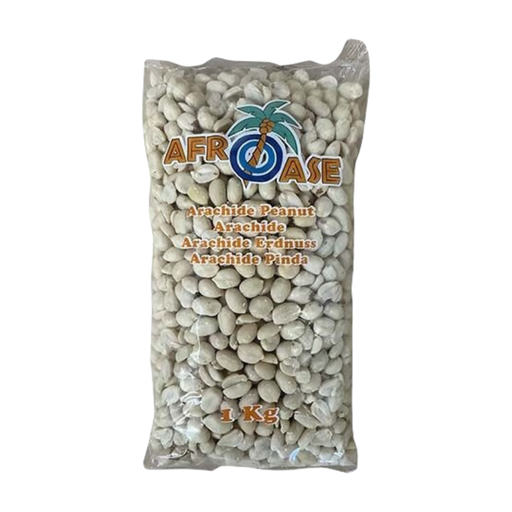
White Peanuts, 1 kg

White Peanuts, 1 kg

An option if you’re looking for a 1 kg pack of peanuts.

The product name states that the pack contains 1 kg. Check the ingredients and nutritional information on the product page and packaging. Contains peanuts; check the school rules and bear the risk of choking in mind for children.

View on Joybuy
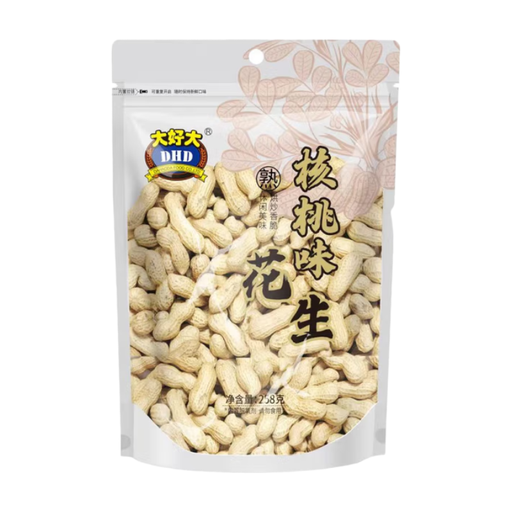
Dahaoda walnut-flavoured peanuts, 258 g

Dahaoda walnut-flavoured peanuts, 258 g

A flavoured option if you’re looking for peanuts with a walnut flavour.

The product information lists sugar and salt as well as peanuts, and 2420 kJ per 100 g. This is above the threshold for ‘low energy’ described by the Netherlands Nutrition Centre. Contains peanuts; check the school rules and bear the risk of choking in mind for children.

View on Joybuy
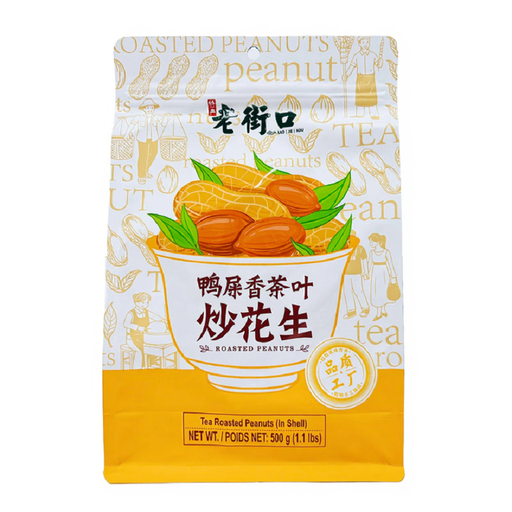
Lao Jie Kou Yashi Xiang roasted tea-flavoured peanuts, 500 g

Lao Jie Kou Yashi Xiang roasted tea-flavoured peanuts, 500 g

A good fit if you’re looking for roasted peanuts with a tea flavour.

The product information lists 544 kcal per 100 g, as well as salt, tea, flavouring and sweetener. This energy value is above the threshold for ‘low energy’ described by the Netherlands Nutrition Centre. Contains peanuts; check the school rules and bear the risk of choking in mind for children.

View on Joybuy

Frequently asked questions

Are unsalted peanuts automatically low in calories?

No. Unsalted refers to the salt content, not the energy content. For the unsalted varieties mentioned, Duyvis, Albert Heijn and PLUS list 614, 620 and 625 kcal per 100 g respectively. For solid foods, the Netherlands Nutrition Centre gives less than 40 kcal (170 kJ) per 100 g as the threshold for a ‘low energy’ claim; the Netherlands Food and Consumer Product Safety Authority points out that nutrition claims must comply with European rules.

Is 25 g a recommended portion for my child?

Not necessarily. Albert Heijn lists 25 g as a pack portion for its 300 g bag. This isn’t age-specific nutritional advice. The Netherlands Nutrition Centre stresses that children need enough nutrients to grow and develop; don’t use this guide as advice to restrict calories for children.

Can children take peanuts to any school in the Netherlands?

That depends on the rules at the school and in the class. Check whether the rules cover peanuts, tree nuts or products that may contain traces. For example, OBS De Venen publishes its own rules for younger classes because of allergies; these don’t automatically apply to other schools.

How can I give peanuts to a child safely?

Bear the risk of choking on whole peanuts in mind. The Netherlands Nutrition Centre advises staying nearby and having a child eat calmly while sitting down. If you’re unsure whether a child can chew the snack properly, choose another suitable form or snack and follow the warnings on the pack.

What allergen information should I check?

Check the packaging to make sure peanuts are clearly identified as an allergen in the ingredients information. According to the Netherlands Food and Consumer Product Safety Authority, allergen information for prepacked products must appear on the label and be clearly distinguishable from the other ingredients. Peanuts and tree nuts are separate allergens.

How should I store an opened bag of peanuts?

Follow the storage instructions on the current packaging. PLUS advises storing the peanuts in a cool, dry place away from light. The Duyvis product information consulted advises storing them in a cool, dry place and closing the pack securely after opening.
