
Households that regularly prepare packed lunches
If you often pack peanuts, a 250 or 500 g bag may be worth considering. Match the quantity to how much you actually use and your school’s rules.


A 500 g bag is most suitable if your household uses peanuts regularly and you can store them properly once opened. Choose a smaller pack if peanuts are only an occasional addition or you often vary your snacks. Always check the allergen information and your school’s rules before sending peanuts in.
If you often pack peanuts, a 250 or 500 g bag may be worth considering. Match the quantity to how much you actually use and your school’s rules.
You may want an unsalted variety for lunch or as a snack. The Netherlands Nutrition Centre includes unsalted nuts and peanuts in its Wheel of Five healthy eating guidelines; you’ll need to assess allergen suitability separately.
If peanuts are only packed occasionally, a smaller pack may better suit the amount you want to open at one time. The Netherlands Nutrition Centre recommends storing nuts in a dry, airtight container.
Choose a pack size based on how often you use peanuts and how well you can store them. Check allergen information and school rules before choosing a variety for lunch.
| What to consider | What should you check? | Who is this important for? |
|---|---|---|
| Pack size | Compare the pack size with how many peanuts your household actually uses. | If you regularly pack lunches, you’ll want to know whether you’ll use up a larger bag. Around 36% of consumers prioritise pack size and usage. |
| Allergens and school rules | Read the allergen information on the pack and check the rules at your child’s school or in their class. | When packing peanuts for a pupil, you’ll first want to make sure they’re suitable for their allergies and the school’s rules. Around 21% of consumers prioritise allergens and school rules. |
| Unsalted ingredients | Check the ingredients and nutritional information for the exact variety; unsalted doesn’t automatically mean oil-free. | If you’re deliberately choosing an unsalted variety, you’ll want to check what else it contains. Around 29% of consumers pay particular attention to ingredients and product information. |
| Storage and packing | Check the storage instructions and think about how you’ll seal the bag once opened. | If you only use peanuts occasionally, you won’t want to open more than you can store conveniently. Around 14% of consumers prioritise managing their food stocks. |
Unsalted peanuts still contain peanuts. Some varieties may also carry a warning about the possible presence of other nuts.
Assess peanut allergies and any other allergies separately from the salt content. Check the current label and follow the rules at your child’s school.
A larger bag contains more peanuts, but it won’t automatically suit your household’s usage.
Choose a pack size that matches how often you pack peanuts and how much you can store once the bag is open.
Once opened, peanuts need to be stored somewhere dry in an airtight container. Duyvis recommends keeping an opened bag in a light- and airtight tin; the Netherlands Nutrition Centre advises storing nuts in a dry, airtight container.
Set aside the amount you need and reseal the rest according to the instructions on the pack.
A larger bag needs enough airtight storage space once opened.
The Jumbo and Duyvis products reviewed use 30 g as the basis for the nutritional values shown per portion. This portion size doesn’t automatically determine how much every school pupil needs.
Use the portion information to understand the nutritional values, and work out the right amount for lunch separately.
The unsalted range includes a 235 g bag, which is a good option if you’d rather open a smaller pack at a time.
AH has a product page for unsalted peanuts, making them worth considering if Albert Heijn is part of your regular shopping route.
The unsalted own-brand variety is available in the pack sizes reviewed: 250 and 500 g.
Lidl lists unsalted peanuts on its Dutch range page, making them worth considering if this shop is on your regular route.
ALDI lists Trader Joe’s roasted, unsalted peanuts in a 250 g pack.
The unsalted own-brand varieties reviewed are available in 250 and 500 g packs.
This selection includes smaller packs, roasted varieties and peanuts in their shells. Check each product to make sure its preparation method and ingredients suit the lunch you’re buying it for.
 No image available
The 250 g pack is a good choice if you’re looking for a smaller supply.
The product description lists 99% peanuts and sunflower oil. It may contain cashews; check the current packaging if you have an allergy.
 No image available
A smaller pack for anyone looking for roasted, unsalted peanuts.
The product description lists unsalted peanuts and a net weight of 210 g. It states that the ingredients are 100% peanuts.
 No image available
The 500 g pack is a good choice if you’re looking for a larger quantity and want to shell the peanuts yourself.
The peanuts are in their shells, so bear in mind that they’ll need to be shelled before eating.
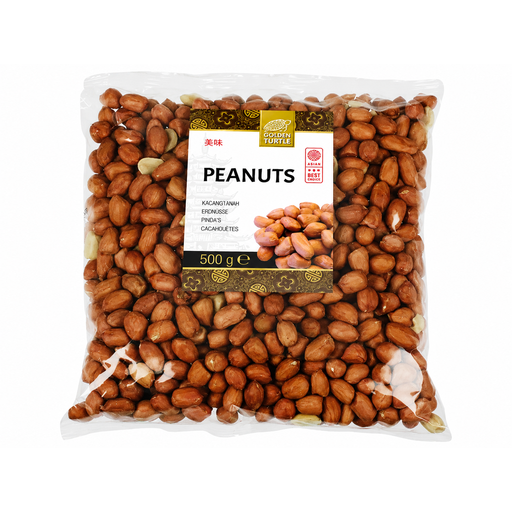 No image available
This 500 g pack is for anyone who wants to choose how to prepare the peanuts.
The product description says these are raw peanuts with skins, suitable for roasting, boiling or baking. Roasting requires extra preparation.
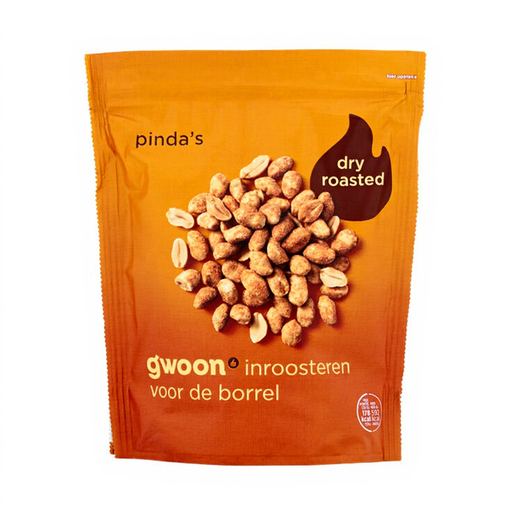 No image available
A 200 g bag for anyone looking for a seasoned variety to pack or enjoy as a snack.
The product description lists seasoning, 1.5 g salt per 100 g and a resealable pack. This is not an unsalted variety.
No, peanuts and tree nuts are listed separately as allergens. The Netherlands Nutrition Centre explains that peanuts are botanically legumes, but are included in the food group of nuts because of their nutritional composition. A pack may also warn of the possible presence of tree nuts.
That depends on the rules at the school or in the class. Peanuts aren’t suitable for someone with a peanut allergy; follow their personal medical advice. Information from Deventer Hospital does not establish the policy at your child’s school.
Any allergens present must be listed on the label. According to the Netherlands Food and Consumer Product Safety Authority, rules on warnings about unintended presence through cross-contamination have applied since 1 January 2026. The permitted wording is ‘May contain X’ and ‘Not suitable for people with an X allergy’. This is different from peanuts that are deliberately included as an ingredient.
No. The unsalted Jumbo and PLUS products reviewed contain sunflower oil and are described as roasted peanuts. Check the ingredients and preparation method for the exact variety.
Follow the label and store peanuts in a dry, airtight container. The Netherlands Nutrition Centre advises keeping nuts in a sealed container in a dry place; Duyvis recommends storing an opened bag in a light- and airtight tin. Packaging in a protective atmosphere does not replace the storage instructions once opened.