What should you look for when choosing?
| What to consider |
What should you look for? |
Who is this important for? |
| Avoiding the right allergen |
Check the ingredients and allergen information on the exact packaging. Make sure the claim relates to the allergen your child needs to avoid. |
If I need to avoid a specific allergen, that comes before taste or packaging. Around 28% of consumers put avoiding the relevant allergen first. |
| Following school rules |
Ask whether the rules apply to the class or the whole school, and how warnings about possible traces are handled. |
If the school has rules about peanuts or nuts, I want to know exactly what my child can bring in. Around 22% of consumers prioritise what’s allowed at school. |
| The specific dietary claim |
Check the exact variant and packaging; lactose-free doesn’t automatically mean suitable for someone with a cow’s milk protein allergy. |
If I avoid gluten or lactose and peanuts are suitable for me, I look for the claim that matches my dietary needs. This is the top priority for around 22% of consumers. |
| Everyday ingredients |
Check whether the variant is unsalted and read the ingredients; unsalted doesn’t mean allergen-free. |
Once dietary needs and school rules are taken care of, the ingredients can also influence my everyday lunch choice. Around 17% of consumers put nutritional quality first. |
| How they’re eaten and stored |
Consider whether whole peanuts are suitable for your child’s eating skills, and follow the storage instructions on the packaging. |
If I’m looking for a suitable texture and something practical, I also want to know how the snack should be eaten and stored. Around 11% of consumers prioritise these points. |
The Netherlands Nutrition Centre warns that whole peanuts can pose a choking risk. The way the food is served and the eating occasion are therefore separate considerations, regardless of the ingredients or dietary claims.
Products on Joybuy
These products include unsalted peanuts, a granola variant with peanuts, and snacks that don’t contain peanuts. The right choice depends on the allergen that needs to be avoided, the school rules and the information on the exact packaging.
 No image available
g’woon Unsalted Peanuts 250 g
A suitable unsalted option if peanuts are allowed under your child’s diet and the school rules.
The product description lists 99% peanuts and sunflower oil; the product may contain cashews.
View at Joybuy
 No image available
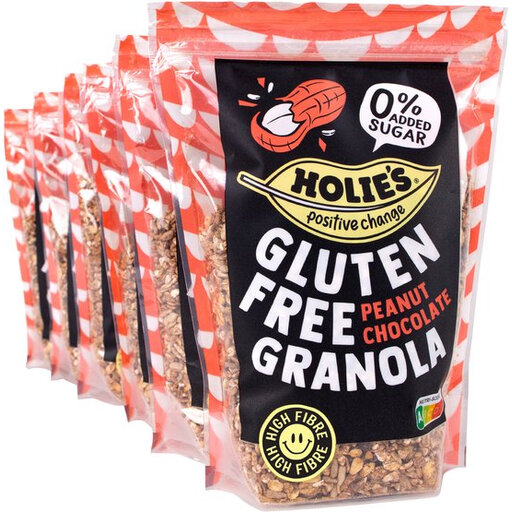
Holie’s Granola Glutenfree Peanut Chocolate 6 x 330 g
May suit a gluten-free diet if peanuts are allowed under your child’s diet and the school rules.
The product description lists gluten-free oats, 9% peanut butter and 4% peanuts. It also mentions possible traces of almonds, cashews, hazelnuts, pecans and soya; check the packaging.
View at Joybuy
 No image available
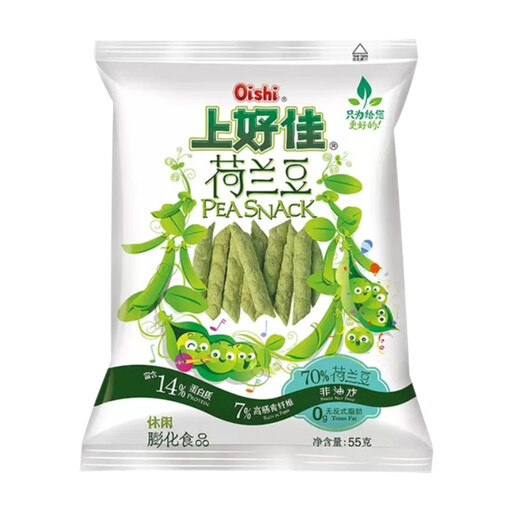
Oishi Pea Snack 55 g
A snack without peanuts if you’re looking for an alternative; the school rules and relevant allergens still matter.
The product description lists peas, vegetable oil, maize flour, rice and starch. The ‘Allergen: None’ statement is a product claim; check the latest allergen information on the packaging.
View at Joybuy
 No image available
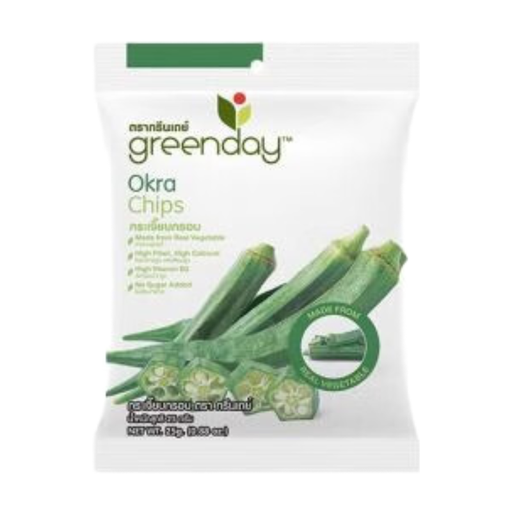
Okra Chips 25 g
An alternative without peanuts; check whether the product suits your child’s diet and the school rules.
The product description lists 98% okra and 2% rice bran oil, and describes the product as gluten-free. Check the allergen information on the exact packaging.
View at Joybuy
Frequently asked questions
Are peanuts the same allergen as tree nuts?
No. Botanically, peanuts are legumes, and peanuts and tree nuts are listed separately in allergen information. Check both entries: ‘nut-free’ doesn’t necessarily mean a product contains no peanuts.
Is lactose-free food suitable for someone with a cow’s milk protein allergy?
Not on the basis of that claim alone. Lactose is milk sugar, and a lactose-free product may still contain milk protein. Check the information relevant to the allergy.
Are peanuts allowed at my child’s school?
Rules vary between schools and may also vary between classes. Ask the school which products and warnings about traces are covered by its rules. For example, OBS De Venen outlines rules for infant classes, but that example doesn’t automatically apply elsewhere.
Can you simply pack whole peanuts for young children?
No. The Netherlands Nutrition Centre warns that whole peanuts can pose a choking risk. Consider the way the food is served and the eating occasion separately, and take account of the warning on the packaging.
Do the dietary claims for AH Unsalted Peanuts apply to every pack?
The gluten-free and lactose-free claims listed apply to the 300 g variant that was checked. Check the exact variant and read the packaging, as product information can change.


