What should you look for when choosing?
Unsalted peanuts as an extra
A good fit when: you want to pack a measured portion of peanuts as an extra and they’re allowed under the school’s rules.
Bear in mind: whole peanuts require care to ensure they’re eaten safely; a pack or manufacturer’s serving isn’t automatically suitable for every pupil.
Peanut butter as a sandwich spread
A good fit when: you’d rather serve peanuts as a sandwich spread, and the school’s rules and any personal allergies allow it.
Bear in mind: ground peanuts still contain peanuts; changing the product’s form doesn’t remove the allergen.
A peanut-free lunch
A good fit when: the school’s rules exclude peanuts or a peanut allergy makes this necessary.
Bear in mind: other sources of protein can also contain allergens; check the label on the specific product.
For this lunch choice, first check whether peanuts are allowed at school and can be eaten safely. Then compare protein, portion size and intended use on a like-for-like basis.
| What to consider |
What to look for |
Who should pay particular attention? |
| School rules and safe eating |
Check the rules for both peanuts and peanut butter, the allergen information, and whether whole peanuts can be eaten safely. The NVWA explains that allergens in prepacked products must be listed on the label. |
When I pack a lunch, I first check whether peanuts are allowed in the classroom and whether the pupil can eat them safely. Around 29% of consumers prioritise school rules and safe eating. |
| Protein for the same amount |
The product information lists 27 g per 100 g for Duyvis, 25 g for Albert Heijn, 26.4 g for Jumbo and 27 g for PLUS. Then compare the same amount; these values apply to these varieties. |
When I want to compare the protein content, I look at the same amount rather than just the manufacturer’s serving size. Around 36% of consumers prioritise a measurable amount of protein. |
| Unsalted and portioned |
Check the salt, energy and quantity on the label of the variety you choose. Albert Heijn lists a 25 g serving; Jumbo also shows values per 30 g, so don’t compare those serving sizes directly. |
When I want to pack an unsalted extra, I pay attention to how much actually goes into the lunchbox. Around 21% of consumers prioritise unsalted, portioned food. |
| Packaging and storage |
Compare the net weight and follow the storage advice on the packaging. The Netherlands Nutrition Centre advises storing peanuts in a cool, dark, dry place in a tightly sealed container. |
When I pack lunch regularly, I look for packaging that suits how I use and store it. Around 14% of consumers prioritise easy packaging and storage. |
Joybuy products for this lunch choice
This selection includes unsalted whole peanuts and peanut butter for sandwiches. For each product, check the ingredients, possible traces of allergens and the rules at the relevant school; a protein value in a nutrition table doesn’t prove that a product can be marketed as high protein.
 No image available
g’woon unsalted peanuts, 250 g
An option if you’re looking for loose, unsalted peanuts for lunch.
The product description lists 99% peanuts and sunflower oil. The product contains peanuts and may contain traces of cashews.
Check whether peanuts are allowed under the rules at the relevant school.
Joybuy
 No image available
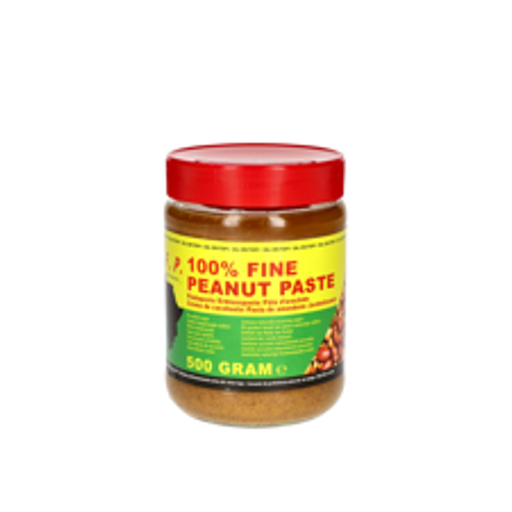
A.F.P. Fine Peanut Paste, 500 g
A spreadable peanut option if you’re looking for something to spread on bread instead of whole peanuts.
The product description lists 100% roasted peanuts and suggests using it on toast and in cooking.
Contains peanuts and may contain traces of nuts. Check the school rules for peanut butter too.
Joybuy
 No image available
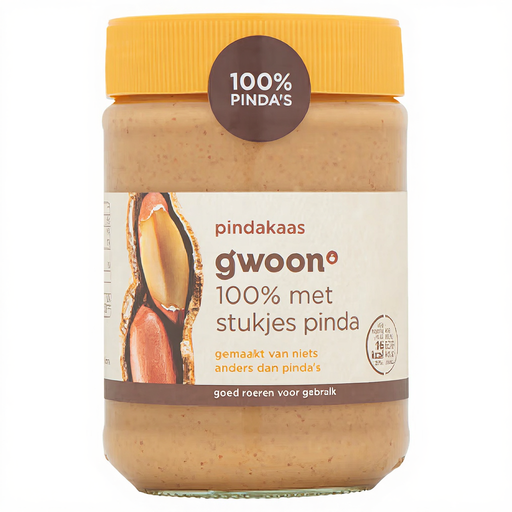
g’woon 100% peanut butter with pieces, 350 g
An option if you’d like to use crunchy peanut butter as a sandwich spread.
The product description lists 100% peanuts and peanut pieces; suggested uses include bread, baking and satay sauce.
Contains peanuts and may contain traces of nuts. A different product format doesn’t remove the peanut allergen.
Joybuy
 No image available
Calve Peanut Butter 100%, 350 g
A spreadable option if you’d like to use peanuts as a topping for bread or toast.
The product description lists 100% finely ground peanuts and suggests using it on bread, toast or in cooking.
Contains peanuts. Check whether peanut butter is allowed under the rules at the relevant school.
Joybuy
 No image available
Verse Extra Large Roasted Peanuts, 210 g
An option if you’re looking for roasted, unsalted peanuts as an extra for lunch.
The product description lists 100% peanuts and no added salt; the pack contains 210 g.
Contains peanuts. Check the school rules and bear in mind the choking risk posed by whole peanuts for young children.
Joybuy
Frequently asked questions
Are peanuts the same allergen as tree nuts?
No. Botanically, a peanut is a legume and is treated separately from nuts in allergen information. That doesn’t mean peanuts are automatically suitable for someone with a nut allergy: the products reviewed may also contain other nuts.
How many peanuts should a pupil who plays sport eat?
There’s no one-size-fits-all amount for every pupil who plays sport. The Netherlands Nutrition Centre lists ordinary foods as a possible source of extra protein; consider their overall diet and, for advice about an individual sports nutrition question, consult a specialist dietitian.
How should you store an opened bag of peanuts?
Store peanuts in a cool, dark, dry place in a tightly sealed container. Also follow the product label and best-before date; when using them, check for a rancid smell or taste, a tough texture or mould.
What should you do with a recalled pack?
Check that the product name and best-before date match the warning exactly. On 20 May 2026, Albert Heijn issued a recall for AH Extra Large Salted Peanuts in a tub with a best-before date of 04-11-2026 because of possible metal fragments. This warning doesn’t apply to all AH peanuts or automatically to the unsalted variety reviewed.


