What should you look for when choosing?
First choose how much you want to take with you. Then compare varieties on the same nutritional basis, and finally check the ingredients and packaging.
| What to consider |
What should you check? |
Who is this important for? |
| Portion and energy |
Compare kcal per 100 g and work out the energy for the amount you eat. The Netherlands Nutrition Centre uses 25 g as an example portion; this isn’t a personal limit. |
If I don’t want to keep eating from the whole bag without noticing while I’m on the road, I weigh out my portion in advance. Around 36% of consumers say portion control is their top purchasing priority. |
| Energy for the same quantity |
Compare like with like: Jumbo lists 564 kcal per 100 g for Dry Roasted and 602 kcal for Unsalted. |
If I’m mainly looking for a variety with less declared energy for the same quantity, I compare the nutrition table rather than making assumptions based on the preparation name. Around 29% of consumers make this their top priority. |
| Salt and allergens |
Check the ingredients, salt and allergens on the packaging of the exact variety. Jumbo Dry Roasted lists wheat and gluten as well as peanuts. |
If I want to limit salt or need to avoid certain allergens, I check the full ingredients list rather than relying on the word ‘unsalted’. Around 21% of consumers prioritise this information. |
| Taking them with you and storage |
Check the net weight and storage instructions. If you like, divide a larger pack into portions in advance. |
If I mainly want to take a suitable amount with me and keep the pack properly sealed while travelling, I check its size and storage advice. Around 14% of consumers prioritise these packaging considerations. |
Peanuts at Joybuy
This selection of Joybuy products includes unsalted, seasoned and roasted peanuts in a range of pack formats. Compare the ingredients and nutritional information for the exact product with the amount you want to take with you.
 No image available
Fresh Spicy Peanuts (Katjang Pedis), 220 g
A seasoned peanut snack for anyone looking for a spicy option on the go.
The ingredients list includes peanuts, wheat flour and salt; the pack contains 220 g.
View at Joybuy
 No image available
g’woon Unsalted Peanuts, 250 g
An unsalted option for anyone who wants to control their portion and avoid added salt.
The ingredients list includes 99% peanuts and sunflower oil. May contain cashews; check the nutritional information on the pack.
View at Joybuy
 No image available
Duyvis Honey and Lightly Salted Oven-Roasted Peanuts
A sweet-and-savoury oven-roasted variety for anyone who enjoys a touch of honey and salt.
The description lists a 175 g pack and ingredients including honey, salt, sugar and wheat. Contains peanuts, wheat and gluten; may contain other nuts.
View at Joybuy
 No image available
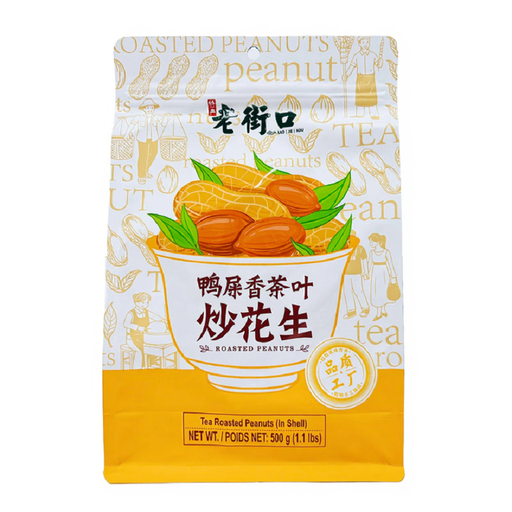
Lao Jie Kou Yashi Xiang Tea-Infused Roasted Peanuts, 500 g
A roasted variety with a tea aroma for anyone looking for a different flavour.
The pack contains 500 g. Check the nutritional information and ingredients on the exact pack if energy, salt or ingredients are important to you.
View at Joybuy
 No image available
g’woon Peanuts in Shell, 500 g
An option for anyone who wants to take peanuts in their shells and decide how many to shell each time.
The pack contains 500 g; the peanuts are in their shells. Check the nutritional information on the pack to compare the same quantity.
View at Joybuy
Frequently asked questions
Can a small portion of peanuts be called low in calories?
No. The portion size doesn’t change the requirements for a nutrition claim. According to the European Commission, solid foods can only be described as having a ‘low energy value’ if they contain no more than 40 kcal (170 kJ) per 100 g. A small portion doesn’t prove that the product meets this requirement.
How do I work out the energy in my portion of peanuts?
Multiply the kcal per 100 g by the number of grams you eat, then divide by 100. For 25 g of Jumbo Pinda’s Ongezouten, which contains 602 kcal per 100 g, the calculation is 602 × 25 ÷ 100 = 150.5 kcal. That 25 g is a comparison portion, not personal advice.
Does dry roasted mean peanuts contain less salt or fewer calories?
No, the preparation name alone doesn’t tell you that. Jumbo lists 564 kcal and 1.80 g of salt per 100 g for its Dry Roasted variety, which also contains wheat and gluten. Compare this information with the unsalted variety, and always check the label on the exact pack.
Which allergens should I check in peanuts?
Always check the ingredients and allergen information for the specific variety. The NVWA lists peanuts as an allergen that must be declared by law; prepacked products must show allergen information on the label. Roasted or seasoned varieties may also list other allergens, such as wheat and gluten.
How should I store peanuts on a road trip?
Keep peanuts tightly sealed and dry, preferably somewhere cool, and follow the instructions on the packaging. The Netherlands Nutrition Centre recommends keeping nuts sealed and dry, so don’t leave an opened bag in a warm car for long periods.


