What should you consider when choosing?
First decide whether you’re mainly concerned with how much you eat, the pack size, how you’ll use the peanuts in a dish or the ingredients in the variety.
| What to consider |
What should you look for? |
Who is this important to? |
| Calories per portion |
Compare kcal per 100 g and calculate the value for the amount you weigh out. |
If I want to know how much energy my portion contains, I weigh the peanuts and use the nutritional values for the exact pack. Around 34% of consumers prioritise calories per eating occasion. |
| Amount in the pack |
Check the pack weight and choose an amount that suits what you’ll use. |
I want a pack that suits my limited student budget, without buying more than I’ll use. Around 33% of consumers prioritise the amount for a student dinner. |
| Use in a dish |
Check whether the variety is unsalted or seasoned, and whether it suits your recipe. |
If I’m adding peanuts to a simple dinner, I consider how the flavourings will work with the rest of the dish. Around 20% of consumers mainly choose based on how suitable the product is for cooking. |
| Ingredients and allergens |
Read the ingredients and allergen information for the exact variety. |
I want to know whether a variety contains extra salt, sugar or allergens before I cook with it. Around 13% of consumers prioritise the ingredients. |
Peanut options at Joybuy
These Joybuy options include peanuts for snacking and use in dishes, in a range of varieties and formats.
 No image available
g'woon Unsalted Peanuts, 250 g
An unsalted variety for anyone wanting to use peanuts as a snack or in a recipe.
The product description lists 99% peanuts, sunflower oil and 0.02 g of salt.
The product information warns that it may contain cashew nuts.
View at Joybuy
 No image available
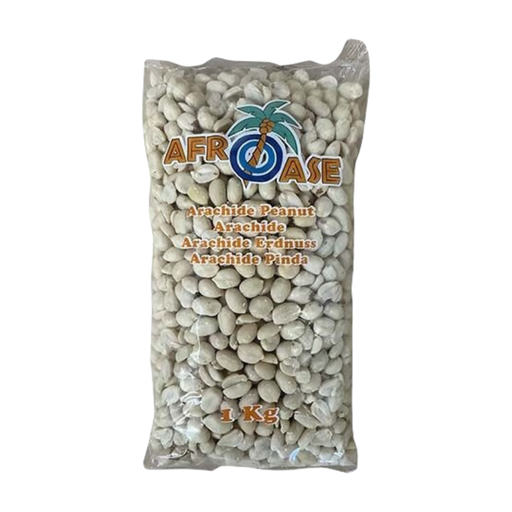
White Peanuts, 1 kg
The 1 kg pack may be a good option if that amount suits what you use for dishes or snacks.
Check the exact variety and ingredients before using these peanuts as an unsalted option.
View at Joybuy
 No image available
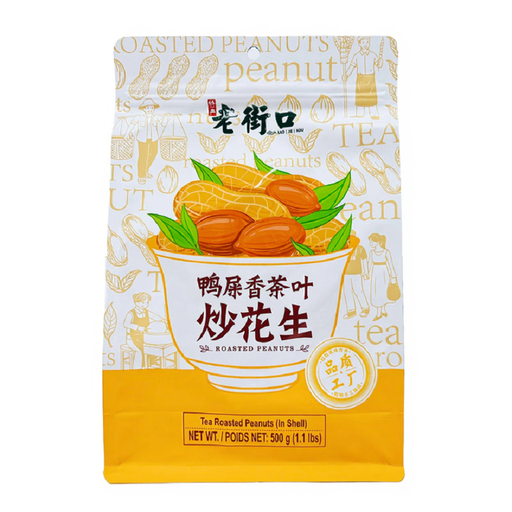
Lao Jie Kou Yashi Xiang Tea-Infused Roasted Peanuts, 500 g
These roasted peanuts are in their shells, so allow extra time to shell them before use.
The product description lists tea, salt and flavourings.
View at Joybuy
 No image available
G'woon Peanuts in Shell, 500 g
The product description suggests using these in sweet and savoury dishes; shell the peanuts before use.
The product information warns that traces of nuts may be present.
View at Joybuy
 No image available
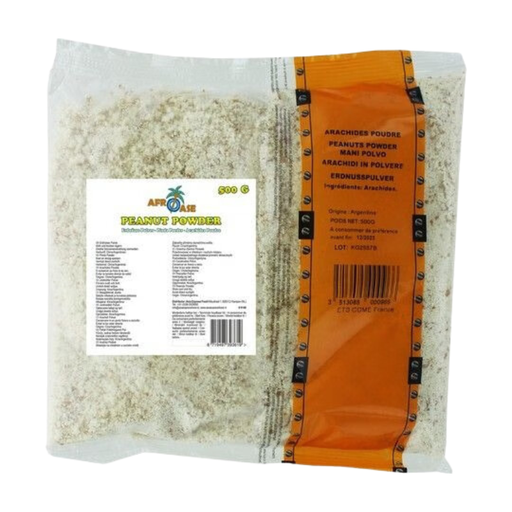
Peanut Powder, 500 g
Peanut powder is a different format from whole peanuts; the product description suggests using it in sauces and baking.
Peanuts are an allergen.
View at Joybuy
Frequently asked questions
Can these peanuts be described as low in calories?
No. The nutrition tables compared here don’t meet the EU threshold for the ‘low energy’ claim. For solid foods, the European Commission sets a maximum of 40 kcal (170 kJ) per 100 g. Choosing a smaller portion doesn’t change how the product is classified.
Does reduced energy mean the same as low in calories?
No. According to the European Commission, the ‘reduced energy’ claim requires at least 30% less energy than a comparable product, and the characteristic responsible for the reduction must be stated. ‘Unsalted’ or ‘without added cooking fat’ alone doesn’t prove that a product meets this claim.
How do I compare the nutritional values of different portions?
Choose one weight in grams for your comparison and calculate each nutritional value for that amount. To work out a label value per 100 g for a portion, multiply it by the portion weight and divide by 100. This lets you compare the same amount, even when packs list different portion sizes.
How should I store an opened bag of peanuts?
Follow the instructions on the exact pack. Albert Heijn recommends storing the unsalted peanuts listed in a cool, dark, dry place and sealing the pack well; Duyvis recommends keeping an opened bag in a light-proof, airtight container. The Netherlands Nutrition Centre says unsalted peanuts can be kept in a kitchen cupboard for six months, after which their quality may deteriorate.
What should I check if I’m using peanuts for someone with an allergy?
Read the allergen information on the exact pack. According to the Netherlands Food and Consumer Product Safety Authority, peanuts must be listed as an allergen on prepacked foods. Seasoned varieties may also list other allergens; for example, the honey variety reviewed lists wheat and cereals containing gluten.


