
Picnic-goers who compare pack sizes
You’re looking for a bag to share and want to compare the contents of similar options. Official product information from ALDI, Jumbo and PLUS lists 500 g packs.


First, choose an amount that suits your group, then decide whether salted or unsalted peanuts match your preference. Several brands offer 500 g packs, but a large bag is only practical if you plan to share it and can store any leftovers properly.
You’re looking for a bag to share and want to compare the contents of similar options. Official product information from ALDI, Jumbo and PLUS lists 500 g packs.
You check the salt content and ingredients, so you compare the exact variant. Product information from Jumbo and PLUS shows that unsalted peanuts can also contain sunflower oil; check the label on the pack you choose.
You don’t want to take more than you need and are looking for a practical way to seal any leftover peanuts. The Netherlands Nutrition Centre recommends storing peanuts in a well-sealed container in a cool, dark and dry place.
| What to consider | What to look for | Who is this important for? |
|---|---|---|
| Comparing packs | Compare the net weight and the same product variant, not just the name on the pack. | I want to know how much I’m taking for the same product, so I compare the packs side by side. Around 29% of consumers prioritise comparing the pack and its contents. |
| Choosing the right amount | Decide in advance how much you want to take and whether you’ll use any leftovers at home. | If I only want to take what my group is likely to eat, I check the amount in each bag. Around 23% of consumers prioritise choosing an appropriate amount. |
| Suitable for your guests | Ask about allergies and check the latest allergen information. Also bear in mind choking warnings for young children. | I want to consider guests who can’t eat peanuts and choose a different snack if needed. Around 18% of consumers prioritise what’s suitable for their group. |
| Salted or unsalted | Check the salt content per 100 g and read the ingredients for the exact variant. | If I want unsalted peanuts, I also check whether oil is listed in the ingredients. Around 18% of consumers start their choice with the unsalted option. |
| Taking them along and storing them | Take the amount you need in a resealable container and follow the storage instructions on the pack. | I want to take the snack with me easily and seal any leftovers properly at home. Around 12% of consumers prioritise carrying and storing their snack. |
The name doesn’t tell you how much your group needs or whether the variant you’ve chosen matches your preference.
Compare the net weight and variant, and decide in advance how much you want to take.
A large bag may leave you with leftovers if you don’t share or use them later.
Unsalted peanuts still contain peanuts, and product information may also mention the possible presence of other nuts.
Check the latest allergen information and, if necessary, choose a different snack for guests with a relevant allergy.
Peanuts can lose quality if they aren’t stored according to the instructions.
The Netherlands Nutrition Centre recommends storing peanuts in a well-sealed container in a cool, dark and dry place.
Taking leftovers with you or keeping them at home calls for a suitable airtight container.
For its salted variant, the manufacturer lists packs including 235 g and 370 g options.
The salted AH variant covered by the product information has a net weight of 400 g.
The salted and unsalted value packs listed in the product information each contain 500 g.
The Dutch product information describes a 250 g salted variant.
ALDI’s product information describes TRADER JOE’S roasted, salted peanuts in a 500 g pack.
The product information lists 500 g bags of both salted and unsalted peanuts.
These Joybuy products range from ready-to-eat peanut snacks to peanuts in their shells and raw peanuts that need to be prepared first. Check that the form and preparation suit the way you want to serve the snack at your picnic.
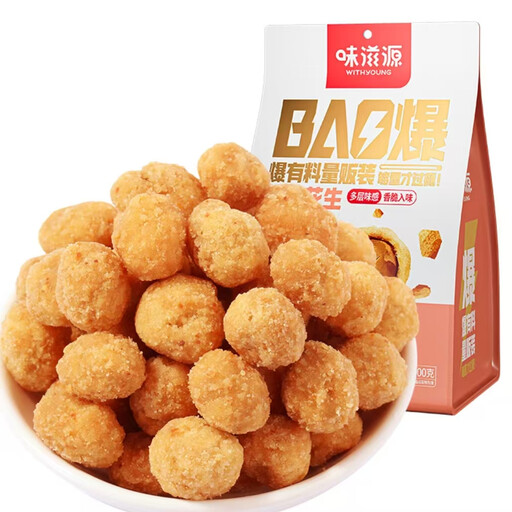 Image unavailable
The 500 g pack is designed for sharing; the description says the snack is ready to eat straight from the pack.
The product description mentions a crunchy coating with herbs and spices, sugar, salt and chilli, and says peanuts make up 33% of the product.
Contains wheat (gluten) as well as peanuts. The description recommends eating the contents soon after opening.
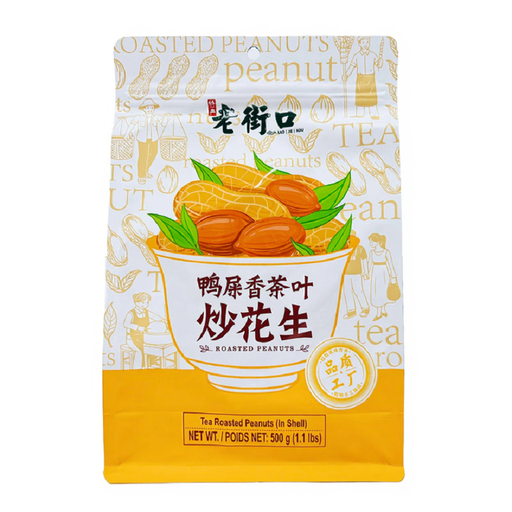 Image unavailable
The description lists a 500 g pack for sharing, but the peanuts are in their shells and need to be shelled first.
The product information describes roasted peanuts with oolong tea flavour and lists salt and tea among the ingredients.
 Image unavailable
This 500 g pack contains peanuts in their shells, so you’ll need to shell them before serving.
The product information lists peanuts and possible traces of nuts. It also advises sealing the pack properly after opening and storing it in a cool, dry place.
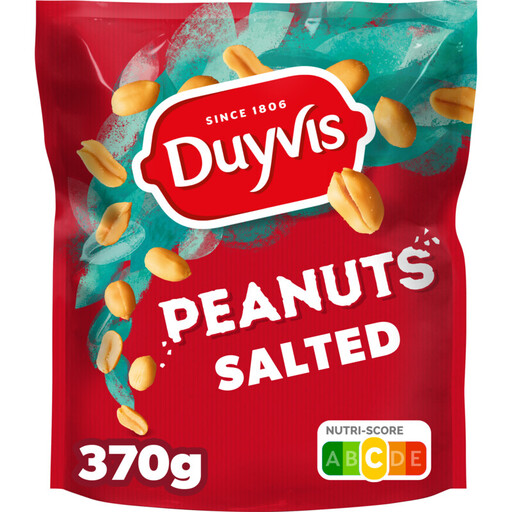 Image unavailable
This salted peanut snack comes in a 370 g pack and is described as a snack to enjoy between meals.
The product information lists peanuts, sunflower oil and salt. The product is not recommended for children under 5 due to the risk of choking; it contains peanuts and may contain other nuts.
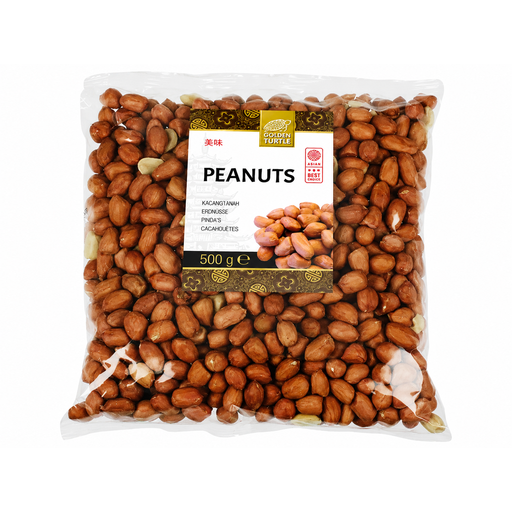 Image unavailable
The 500 g bag contains raw peanuts with their skins on; according to the product description, they need to be roasted before serving as a snack.
The product information also suggests using them in dishes. This option needs to be prepared first, so it isn’t ready to share at a picnic straight from the pack.
Yes. Follow the storage instructions on the pack. The Netherlands Nutrition Centre recommends storing salted peanuts in a well-sealed container in a cool, dark and dry place.
No. The product information for the unsalted Jumbo and PLUS variants lists sunflower oil. Check the ingredients on the exact pack to find out what it contains.
No. Product information from Jumbo and PLUS warns that young children may choke on peanuts. So don’t automatically assume a standard sharing bag is a suitable snack for children.
According to the Netherlands Food and Consumer Product Safety Authority, allergen information must appear on the label of pre-packed products. Check the current packaging, especially if someone in your group has an allergy.
The Netherlands Food and Consumer Product Safety Authority says that new Dutch rules for precautionary warnings on pre-packed foods have applied since 1 January 2026. The approved wording is ‘May contain X’ and ‘Not suitable for people with an X allergy’. Check the current physical packaging; a warning about possible presence is different from an ingredient that has been deliberately added.