What should you look for when choosing?
First decide whether you’re looking for a demonstrable reduction in fat, want to take a smaller amount or are mainly concerned about salt and sharing; these are different reasons to buy.
| What to consider |
What to look for |
Who might find this more important? |
| Demonstrably less fat |
Check the full claim, the product named for comparison and the fat content on the same basis, for example per 100 g. |
If I want less fat than in a comparable peanut snack, I want to know which type of snack is being used for comparison. Around 36% of consumers give demonstrable fat reduction the highest priority. |
| Portion and nutritional value |
Compare fat and energy per equal portion and decide in advance how much to take; a smaller portion doesn’t change the values per 100 g. |
If I don’t want to keep eating from a large bag without realising it at the picnic, taking a pre-measured amount is practical. Around 29% of consumers focus mainly on portion size and energy. |
| Salt and flavour |
Check both the salt content per 100 g and the ingredients; ‘no added oil’ doesn’t mean ‘unsalted’. |
If I prefer unsalted peanuts or am looking for a savoury flavour, I want to consider that separately from fat reduction. Around 21% of consumers prioritise salt and flavour. |
| Taking them along and sharing |
Check the storage and allergen information, and bear warnings for young children in mind. |
For a picnic with others, I want to be able to check the packaging and warnings before sharing anything. Around 14% of consumers consider taking them along and sharing the most important points to consider. |
Peanuts at Joybuy
These Joybuy products include unsalted, roasted, unroasted and in-shell peanuts to suit different snacking preferences. The nutritional values and preparation methods listed do not, by themselves, provide a comparison that proves a reduced-fat benefit.
 No image available
g'woon unsalted peanuts, 250 g
A possible choice if you want to take unsalted peanuts with you; the product information also lists sunflower oil.
Nutritional values per 100 g: 50 g fat and 0.02 g salt. May contain cashew nuts.
View at Joybuy
 No image available
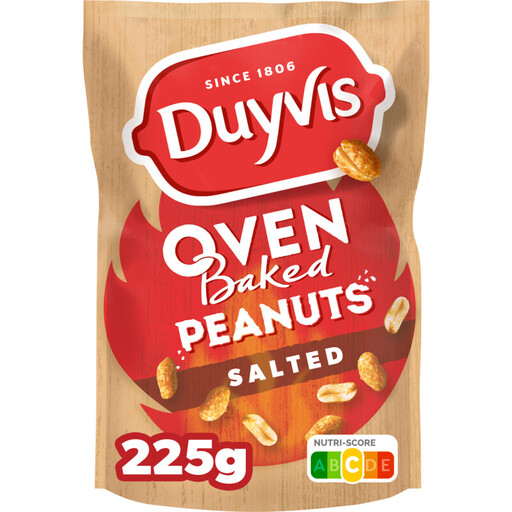
Duyvis roasted peanuts, 225 g
A possible choice if you’re looking for a savoury peanut snack that’s ready to eat.
The product information lists 50 g of fat and 1.4 g of salt per 100 g. This alone doesn’t establish the exact reduced-fat comparison.
View at Joybuy
 No image available
g'woon peanuts in shells, 500 g
A possible choice if you want to take peanuts in their shells and eat them straight from the shell.
The product information lists 49 g of fat per 100 g and recommends storing in a cool, dry place and sealing the pack securely. May contain traces of other nuts.
View at Joybuy
 No image available
Verse Extra Large Roasted Peanuts, 210 g
A possible choice if you’re looking for roasted, unsalted peanuts; the product information says no salt has been added.
The product information lists 100% peanuts, 50 g of fat and 0.02 g of salt per 100 g. Contains peanuts.
View at Joybuy
 No image available
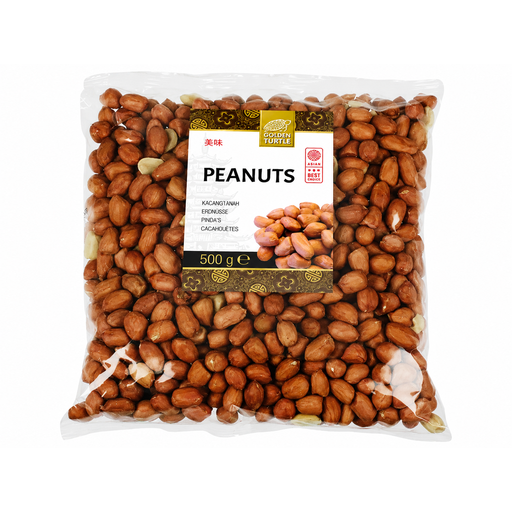
Golden Turtle Premium Raw Peanuts with Skin, 500 g
A possible choice if you want to prepare raw peanuts yourself; they need to be cooked first to make a roasted snack.
The product information lists 49 g of fat per 100 g. Contains peanuts.
View at Joybuy
Frequently asked questions
Does ‘low fat’ mean the same as ‘less fat’?
No. For solid foods, the European Commission sets a maximum of 3 g of fat per 100 g for a ‘low fat’ claim. ‘Less fat’ is a comparison, so check which product is being used as the basis for comparison. The claim examined for Duyvis Herbs&Onion relates to average plain peanuts in a crispy coating in the Netherlands.
Does ‘no added oil’ prove that peanuts contain less fat?
No. This describes the preparation method and doesn’t establish a specific percentage reduction in fat. Duyvis uses this description for Oven Baked Peanuts Original; the Jumbo product page for the 225 g variant lists 50 g of fat per 100 g.
How should you take peanuts with you and store the rest?
Take the amount you want in a well-sealed container, or close the pack carefully. The Netherlands Nutrition Centre advises storing nuts in a sealed container in a dry place; PLUS recommends keeping its unsalted peanuts in a cool, dark place. Follow the instructions and use-by information on your pack for the rest.
What allergen information must appear on packaging in the Netherlands?
According to the Netherlands Food and Consumer Product Safety Authority, allergen information must appear on the label of prepacked products, and peanuts are one of the 14 allergens consumers must be informed about. Also check the ingredients in any coating and look out for any additional warnings.
Can young children eat whole peanuts too?
Don’t assume that whole peanuts are suitable for young children. The Albert Heijn and PLUS product information examined warns that young children could choke on peanuts.


