What should you look for when choosing?
First identify which allergen you need to avoid. Then check the dietary claims for the exact product, before considering the quantity and how you’ll take it with you.
The breakdown below covers consumers considering peanuts or a free-from snack for a picnic, grouped by their first purchasing priority.
| What to consider |
What should you check? |
Who is this important for? |
| Allergy suitability |
Check the ingredients and warnings about the possible presence of allergens. Don’t choose peanuts if you have a peanut allergy. |
If you or a guest needs to avoid a specific allergen, this is the first thing to check. An estimated 29% of consumers put allergy suitability first. |
| Avoiding gluten |
Check that the gluten-free claim applies to that exact product and pack. |
If you can eat peanuts but avoid gluten, you’ll want to identify a suitable product without relying on the word ‘plain’ alone. Around 23% of consumers make this their first priority. |
| Lactose and milk |
Distinguish between lactose-free claims and information about milk proteins if you have a milk allergy. |
If you avoid lactose, look for a suitable lactose-free claim. If you have a milk allergy, check the allergen information separately. An estimated 18% of consumers put avoiding lactose first. |
| Keeping snacks separate |
Pack suitable snacks separately and use your own clearly identifiable cutlery. |
If you’ve already chosen a suitable snack but are eating with others who have brought foods containing different allergens, you’ll want to prevent the products from coming into contact. This is the first priority for around 18% of consumers. |
| Quantity and packaging |
Choose a pack size to suit the number of people eating, and check the pack for advice on storing any leftovers. |
A large pack can be inconvenient for a small picnic, while the quantity needed matters more when there are more people. An estimated 12% of consumers prioritise quantity and cost. |
Peanuts at Joybuy
These Joybuy products range from unsalted and roasted peanuts to salted varieties, including peanuts in their shells and a seasoned option. They contain peanuts, so check the product information and allergen warnings for the variety you choose to make sure it suits your diet.
 No image available
g’woon unsalted peanuts, 250 g
An option if you can eat peanuts and are looking for an unsalted variety.
The ingredients list states 99% peanuts and sunflower oil. The product may contain traces of cashew nuts.
Joybuy
 No image available
g’woon peanuts in shells, 500 g
This variety is ideal if you’re looking for peanuts in their shells and want to remove the shells before eating.
The product information lists peanuts and the possible presence of traces of nuts.
Joybuy
 No image available
Verse Extra Large roasted peanuts, 210 g
A roasted variety for anyone who can eat peanuts and is looking for this type.
The product information lists 100% peanuts. The product is not suitable for anyone with a peanut allergy.
Joybuy
 No image available
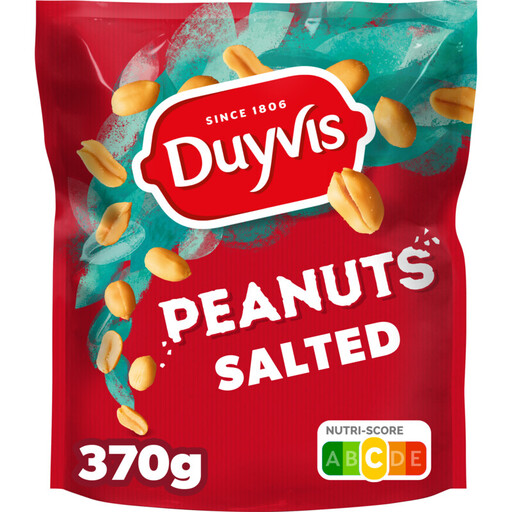
Duyvis salted peanuts, 370 g
This variety is for anyone who can eat peanuts and is specifically looking for a salted option.
The product information lists added salt and the possible presence of nuts.
Joybuy
 No image available
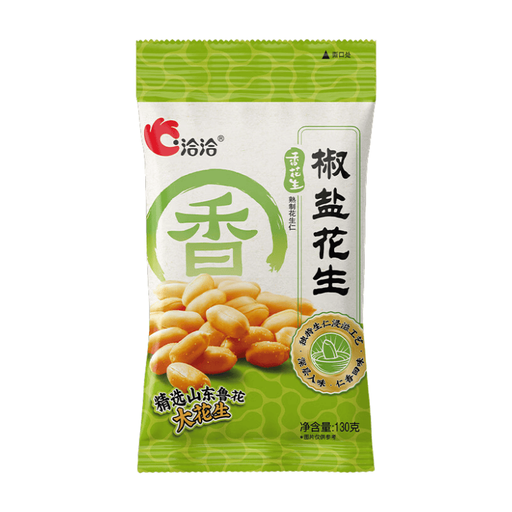
ChaCha salted peanuts with Sichuan pepper, 130 g
A seasoned option for anyone who can eat peanuts and is looking for added flavour.
The product information lists salt and Sichuan pepper. The pack contains a desiccant sachet that must not be eaten.
Joybuy
Frequently asked questions
Does free-from mean peanuts are suitable for someone with a peanut allergy?
No. Peanuts contain the peanut allergen; a claim about gluten, lactose or added salt doesn’t change that. Don’t choose peanuts for anyone with a peanut allergy.
Are lactose-free and suitable for someone with a milk allergy the same thing?
No. Lactose intolerance relates to milk sugar, whereas a milk allergy involves milk proteins. If you have a milk allergy, check the allergen information rather than relying on a lactose-free claim alone.
What allergen information must appear on packaging in the Netherlands?
According to the Netherlands Food and Consumer Product Safety Authority, allergen information for prepacked products must appear on the label. It helps you check whether ingredients such as peanuts, nuts, cereals containing gluten or milk are present.
What do ‘May contain X’ and ‘Not suitable for people with an X allergy’ mean?
These are phrases that the NVWA permits for warnings about possible cross-contamination. The warning must be based on a risk assessment; if it is not possible to exceed reference levels, the manufacturer must not include a warning about possible cross-contamination. The NVWA has been checking this since 1 January 2026.
How should you take suitable snacks to a shared picnic?
Pack suitable snacks separately from products containing allergens you need to avoid, and use your own clearly identifiable cutlery. Also follow the storage and resealing instructions on the pack of the variety you choose.


